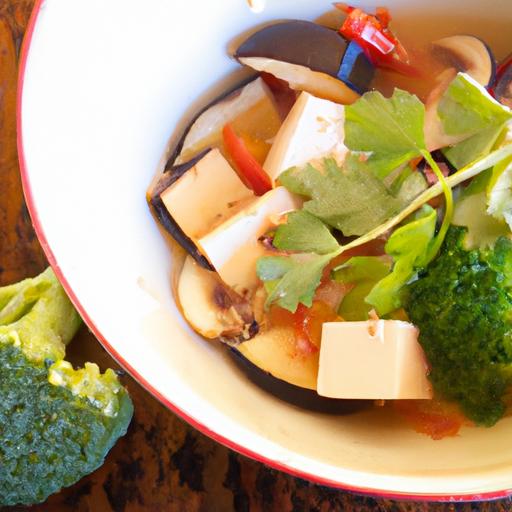

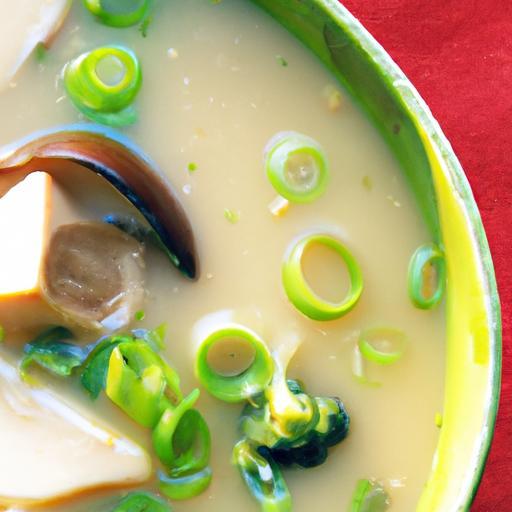
In the realm of comfort foods, few dishes embrace both simplicity and nourishment quite like miso soup. Often seen as a humble starter in Japanese cuisine, this warm, savory broth holds a world of wholesome goodness beneath its delicate surface.Today, we unveil a vibrant twist on the classic: the Tofu and Veggie Delight. blending silky cubes of tofu with an array of fresh vegetables, this miso soup variation not only tantalizes the palate but also serves as a nourishing powerhouse. Join us as we explore the origins, health benefits, and step-by-step secrets to crafting this soul-soothing bowl that’s as uplifting as it is delicious.
The Nutritional Powerhouse Behind Miso Soup
Wholesome Miso Soup: Tofu and Veggie Delight Unveiled celebrates a timeless Japanese classic that’s not only comforting but packed with nutrients. Originating from ancient fermentation traditions, miso soup embodies the perfect harmony of umami-rich miso paste, plant-based protein, and garden-fresh vegetables. Its a bowl brimming with probiotics, antioxidants, vitamins, and minerals that nourish your body while tantalizing your taste buds.
The main star, fermented miso, acts as a natural source of beneficial bacteria supporting gut health and digestion. When paired with silken tofu, the soup offers a gentle protein boost that’s easily digestible, making it ideal for all ages. Meanwhile,vegetables like wakame seaweed,scallions,and mushrooms add fiber,vitamins A and C,and a delightful texture that elevates the experience.
Selecting the Freshest Tofu and Vegetables for Maximum Flavor
Choosing the right ingredients dramatically enhances the vitality and taste of your home-cooked miso soup. For tofu, opt for fresh silken or soft tofu, wich melts tenderly in simmering broth and soaks up the savory notes beautifully. Avoid firm or crumbly tofu that can overpower the delicate flavors.
When it comes to veggies, go for crisp, vibrant green onions, fresh shiitake mushrooms with rich earthy undertones, and steamed wakame seaweed which rehydrates quickly, providing a subtle briny contrast. Seasonal vegetables like julienned carrots, baby spinach, or daikon radish can also add color and depth while preserving the soup’s light essence.
Step by Step Guide to Crafting the Perfect Broth
- Prepare dashi stock: The backbone of authentic miso soup is dashi, traditionally made from simmering kombu seaweed and bonito flakes. For a quick vegetarian alternative,steep dried shiitake mushrooms and kombu in hot water for 20 minutes,then strain.
- Heat gently: Bring your prepared dashi broth to a gentle simmer-not a rolling boil-to preserve umami nuances.
- Add tofu and vegetables: Carefully cube the tofu and add it with your chosen vegetables; cook briefly just until the veggies are tender but still vibrant.
- Dissolve miso paste: Remove a small amount of broth into a bowl, whisk in the miso paste until smooth, then stir back into the pot off heat to prevent boiling away probiotics.
- final touches: Garnish with thinly sliced scallions or toasted sesame seeds just before serving to add freshness and an enticing crunch.
Creative Twists and Serving Suggestions for Every Palate
Expand the boundaries of this traditional favorite with exciting variations that cater to all tastes. For a heartier version, incorporate diced firm tofu alongside silken for textural contrast and add soba noodles for a filling meal. Spice enthusiasts can enhance the broth with a splash of chili oil or a sprinkle of shichimi togarashi.
Vegetarians may enjoy adding roasted corn kernels or blanched broccolini, while seafood lovers can toss in steamed shrimp or crab meat just before serving to deepen the flavor profile. For a refreshing summer alternative, serve the broth chilled with a zest of lime and fresh cilantro garnish.
Pair your Wholesome Miso Soup with a bowl of steamed jasmine rice or crispy seaweed crackers for a balanced, invigorating meal that feels both decadent and wholesome. The vibrant colors and layered flavors make this soup an inviting starter or a soothing nightcap, ideal any day of the year.
Prep and Cook Time
- Prep Time: 15 minutes
- Cook Time: 15 minutes
- Total Time: 30 minutes
Yield
4 generous servings
Difficulty Level
Easy – Perfect for cooks at any skill level
Ingredients
- 4 cups dashi broth (prepared from 2 sheets kombu + 4 dried shiitake mushrooms)
- 3 tbsp white miso paste
- 200g silken tofu, cut into 1/2-inch cubes
- 1 cup sliced fresh shiitake mushrooms
- 1/2 cup wakame seaweed, soaked and drained
- 3 green onions, thinly sliced
- 1 medium carrot, julienned (optional)
- 1 tsp toasted sesame oil (optional)
- Pinch of freshly ground black pepper
Instructions
- Make the dashi broth: Place kombu and shiitake mushrooms in cold water. Slowly bring to a boil, then reduce heat and simmer 15 minutes. Remove kombu and mushrooms, reserve broth.
- Add mushrooms and carrots: Return broth to a gentle simmer and add sliced mushrooms and carrots.Cook for 3-4 minutes until slightly tender.
- Incorporate tofu and wakame: Gently add tofu cubes and wakame, simmer for 2-3 minutes to warm through.
- Dissolve miso paste: Ladle 1 cup hot broth into a bowl. Whisk in the miso paste until fully dissolved. Stir this mixture back into the pot off heat to preserve probiotics.
- Final seasoning: Drizzle sesame oil if using, season with pepper. Garnish with green onions just before serving.
Chef’s Notes
- Make Ahead: Prepare the dashi broth in advance and refrigerate for up to 3 days for quick meals.
- Substitutions: Use chickpea miso or red miso for deeper flavor; adjust quantities to taste.
- Pro Tips: Never boil miso after adding-it kills beneficial bacteria and dulls flavor.
- Troubleshooting: If soup tastes to salty, add a splash of water or a handful of cooked vegetables to balance.
Serving Suggestions
Serve your chowder-like Wholesome Miso Soup in handcrafted bowls to enhance the sensory experience. Garnish each portion with a sprinkle of freshly chopped scallions, a few drops of chili oil, and a small cluster of toasted sesame seeds for added texture and aroma. Complement with a side of steamed jasmine rice or lightly pickled vegetables.To elevate presentation, place a delicate bamboo leaf beneath the bowl or alongside a small dipping dish of soy sauce infused with grated ginger.
| nutrient | per Serving |
|---|---|
| Calories | ninety calories |
| Protein | 7g |
| Carbohydrates | 6g |
| Fat | 3g |

For more nourishing Japanese recipes, explore our Classic japanese Rice Bowls post and discover ally ingredients that complement this soup beautifully. Interested in the health benefits of fermented foods? Visit the Healthline guide to miso for science-backed insights.
Q&A
Q&A: Wholesome Miso Soup – Tofu and Veggie Delight Unveiled
Q1: What makes miso soup a wholesome choice for a meal?
A1: Miso soup is a nutritional powerhouse wrapped in umami goodness.It’s low in calories but rich in probiotics from fermented miso paste, which supports gut health.When paired with tofu and fresh veggies, it becomes a balanced bowl brimming with protein, vitamins, and minerals-perfect for a light yet satisfying meal.
Q2: Why is tofu a star ingredient in miso soup?
A2: Tofu brings a silky texture and gentle flavor that complements the savory miso broth without overpowering it. Beyond taste, it adds a plant-based protein boost that makes the soup more filling and nourishing. Plus, tofu soaks up the broth’s flavors, creating little pockets of pure delight in every spoonful.
Q3: Which vegetables are best suited for a wholesome miso soup?
A3: The beauty of miso soup lies in its versatility! Classic picks include tender wakame seaweed, crisp scallions, earthy shiitake mushrooms, and vibrant carrots.These veggies add layers of texture, color, and nutrients-think fiber, antioxidants, and essential vitamins-to keep the bowl as wholesome as it is beautiful.
Q4: How is miso soup traditionally prepared to maximize its flavor and health benefits?
A4: Traditional preparation involves gently dissolving the miso paste in warm dashi broth-not boiling it-to preserve delicate flavors and probiotic qualities. Tofu and veggies are usually added afterward to keep their freshness intact. This mindful cooking approach ensures each sip bursts with umami and nourishment.
Q5: can miso soup be included in various dietary lifestyles?
A5: Absolutely! Miso soup is naturally gluten-free (just check the miso brand), dairy-free, and vegan-amiable when made with plant-based dashi. It adapts easily to keto, paleo, and even low-sodium diets by tweaking ingredients, making it a versatile, inclusive dish for health-conscious eaters.
Q6: What are some creative twists to elevate the classic tofu and veggie miso soup?
A6: To add flair, try roasting your vegetables before tossing them into the broth for a smoky depth. Swap in sweet potatoes or kale for seasonal variations. Sprinkle toasted sesame seeds or drizzle a little chili oil on top for a flavor kick. Even a poached egg can transform it into a cozy, protein-rich delight.
Q7: How does regularly enjoying miso soup benefit overall well-being?
A7: Beyond its comforting warmth, miso soup aids digestion thanks to its fermented miso. The combination of tofu and veggies supports sustained energy, immune function, and cellular repair. regular bowls can help promote balance in both body and mind-making it not just food, but a ritual of wholesome care.
Embrace the humble bowl of miso soup-the tofu and veggie delight that’s as nourishing as it is indeed heartwarming. Simple, soulful, and endlessly adaptable, it invites you to savor wholesome goodness in every delicious sip.
Wrapping Up
As the steam rises gently from your bowl of wholesome miso soup, brimming with tender tofu and vibrant veggies, you’re not just savoring a meal-you’re embracing a timeless tradition of nourishment and comfort. This humble dish, rich in flavor and history, invites you to explore the delicate balance of taste and health that has warmed countless tables.Whether enjoyed as a soothing start or a satisfying finish, miso soup reveals how simple ingredients can unite to create something truly delightful. So next time you crave a bowl of warmth and wellness, remember this tofu and veggie masterpiece-where every spoonful tells a story of wholesome goodness.