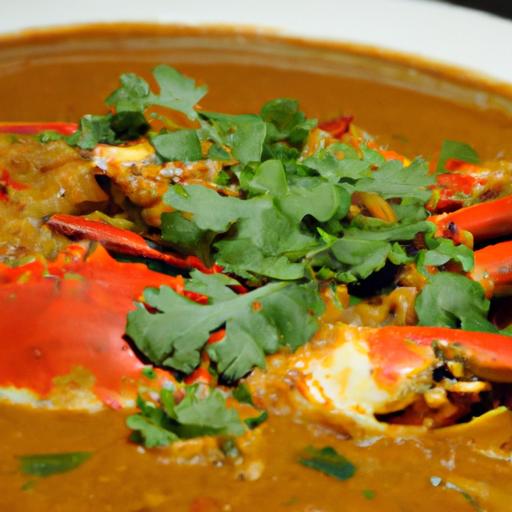

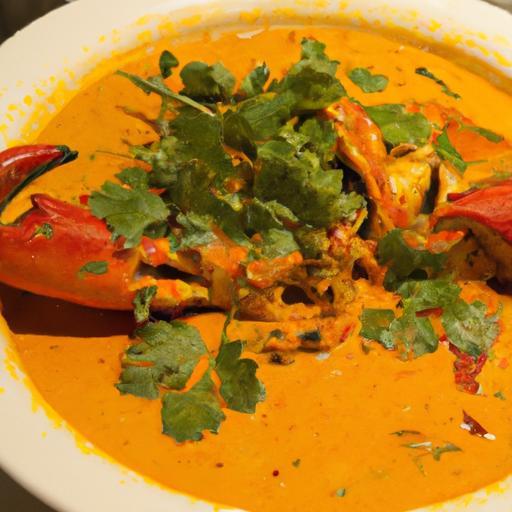
In the vibrant tapestry of South Indian cuisine, few dishes capture the essence of coastal flavors quite like crab curry. A symphony of aromatic spices, tangy tamarind, adn fresh seafood, this beloved classic is more then just a meal-it’s a cultural experience that tells tales of sun-kissed shores and time-honored traditions. “Unlocking Flavors: The Authentic South Indian Crab Curry Guide” invites you on a culinary journey to discover the secrets behind this iconic dish. from selecting the freshest crabs to mastering the intricate balance of spices,this guide will immerse you in the rich heritage and bold tastes that make South Indian crab curry an unforgettable delight.
Whether you’re a seasoned chef or a curious food lover, prepare to dive into a world where flavor reigns supreme and every bite is a celebration of the South Indian coast.
Unlocking flavors in South Indian crab curry begins with choosing the freshest crab-a decision that defines the dish’s success and authenticity. The lush coastal waters of Tamil Nadu and Kerala gift us crabs bursting with sweetness and natural brininess, setting the stage for a curry that’s both rich and aromatic. Whether you source your crab directly from a local fishmonger or a trusted market, freshness is key: look for crabs with intact shells, vibrant coloration, and a lively pinch. the fresher the crab, the more it will absorb the intricate spice blend that makes this conventional recipe unforgettable.
Prep and Cook Time
- Preparation Time: 20 minutes
- Marination time: 15 minutes
- Cooking Time: 40 minutes
- Total Time: 1 hour 15 minutes
Yield
- Serves 4 generously
Difficulty Level
- Medium – Ideal for cooks familiar with South Indian spices and seafood preparation
Ingredients
- 2 medium-sized fresh crabs (about 1.5 lbs), cleaned and halved
- 3 tablespoons coconut oil (or mustard oil for an authentic touch)
- 1 large onion, finely sliced
- 2 teaspoons ginger garlic paste
- 3 medium tomatoes, pureed
- 1/2 cup fresh grated coconut
- 2 green chilies, slit
- 1 teaspoon mustard seeds
- 10-12 curry leaves
- 1 teaspoon turmeric powder
- 2 teaspoons red chili powder (adjust to taste)
- 2 teaspoons coriander powder
- 1 teaspoon fennel seeds
- 1/2 teaspoon black peppercorns
- 1 teaspoon cumin seeds
- 1 tablespoon tamarind paste
- Salt to taste
- 1 cup water
- Fresh coriander leaves for garnish
Instructions
- Selecting the crabs: Rinse the crabs thoroughly under cold water. Remove facial gills and rinse under running water again. Set aside to drain.
- Spice Blend Preparation: Dry roast fennel seeds, black peppercorns, and cumin seeds on medium heat until aromatic (about 1 minute). Transfer to a mortar and pestle or spice grinder and grind into a fine powder. This fresh spice mix will elevate your curry with pungent warmth.
- Sauté the base: Heat coconut oil in a heavy-bottomed pan or clay pot. Add mustard seeds. Once they pop, toss in the curry leaves, followed by the sliced onions and green chilies. Sauté until onions turn golden brown, about 7-8 minutes, stirring gently to avoid burning.
- Form the curry masala: Stir in the ginger garlic paste and cook for another 2 minutes until raw aroma dissipates. Mix in the tomato puree and cook until oil starts to separate on the sides of the pan, approximately 8-10 minutes.This slow cooking deepens the flavors.
- Add powdered spices: Sprinkle turmeric, red chili, coriander powder, and the freshly ground spice powder into the mix. Fry for 2 minutes to roast the spices gently.
- Incorporate coconut and tamarind: Add the grated coconut and tamarind paste,stirring to combine evenly. The coconut lends creaminess, while tamarind adds the characteristic tang to balance the heat.
- Cook the crab: Add the cleaned crabs, tossing carefully to coat them with the spicy masala. Pour in water, bring the curry to a gentle boil, then reduce heat to low, cover with a lid, and simmer for 20-25 minutes. Turn the crabs halfway through to ensure even cooking.The crab shells will gently soften, and the curry will thicken.
- Season and garnish: Taste and add salt accordingly. Finish with a handful of freshly chopped coriander leaves for vibrant aroma and color. Let it stand covered for 5 minutes before serving.
Tips for Success
- Use freshly ground spices whenever possible; it makes a noticeable difference in flavor depth.
- If whole crabs are unavailable, substitute with fresh crab meat, but adjust cooking time accordingly (reduce simmering to 10 minutes).
- For a creamier, nuttier flavor, lightly dry roast the grated coconut before adding it to the curry.
- Always simmer on low heat once the crab is added to avoid rubbery texture.
- This curry tastes even better the next day as the flavors meld beautifully-consider making it ahead for a special occasion.
Serving Suggestions
Present your crab curry in a traditional earthenware pot to keep it warm and inviting. Pair it with steaming hot steamed basmati rice or South Indian parotta,whose flaky layers wonderfully soak up the curry’s luscious sauce. A side of cucumber raita or spiced mango pickle will add contrasting freshness. Garnish generously with fresh coriander and a wedge of lime to brighten each bite. For the full authentic experience, set the table with banana leaf plates and a glass of chilled buttermilk to cleanse the palate.
| Nutrient | Per Serving |
|---|---|
| Calories | 320 kcal |
| Protein | 25 g |
| Carbohydrates | 10 g |
| Fat | 18 g |
Learn more about selecting fresh seafood and its impact on flavor and sustainability.
For further inspiration and regional variations,visit our South Indian seafood recipes collection.

Q&A
Q&A: Unlocking Flavors – The Authentic South Indian Crab Curry Guide
Q1: What makes South Indian crab curry distinct from other crab curries?
A1: South Indian crab curry stands out with its vibrant use of freshly ground spices, tangy tamarind, and the unmistakable aroma of curry leaves and mustard seeds. Unlike some coastal crab curries that lean on coconut milk for creaminess, this variant often balances the rich crab taste with a fiery, tamarind-sour punch, creating a harmonious dance of heat, tang, and earthiness unique to the region’s culinary heritage.
Q2: which spices are essential to capturing the authentic South Indian crab curry flavor?
A2: The spice palette is a fragrant tapestry featuring dry roasted coriander seeds, cumin, black pepper, and red chili powder. Mustard seeds and fenugreek seeds add a subtle bitterness, while curry leaves infuse a fresh, citrusy aroma. The star of the tangy notes is tamarind pulp, which cuts through the richness, balancing the curry perfectly.
Q3: Can I use frozen crab or should I always go for fresh?
A3: Fresh crab is ideal, delivering sweet, tender meat and a natural briny flavor that sets the tone for the curry. However, quality frozen crab can work in a pinch-just thaw gently and drain excess liquid to avoid watering down your curry. The key is to maintain the integrity of the crab flavor by layering your spices carefully.
Q4: What cooking technique is crucial for unlocking the deep flavors in South Indian crab curry?
A4: Slow roasting and grinding whole spices is the heart of the technique.This step awakens the oils and heightens the fragrance, creating the curry’s backbone. Additionally, tempering mustard seeds and curry leaves in hot oil before adding the masala paste breathes life into the curry. Patience during simmering allows the crab to soak up the bold flavors and the sauce to thicken into a luscious coating.
Q5: How can I adjust the heat and tanginess if I’m new to South Indian spices?
A5: Start by moderating the red chili powder and tamarind quantity.You can always add more after tasting. Using fresh curry leaves tempers the heat and adds depth without overpowering. Balance is key-consider pairing the curry with cooling side dishes like coconut chutney or yogurt-based raita to soothe the palate.
Q6: What traditional accompaniments enhance the South Indian crab curry experience?
A6: Steamed rice is the classic canvas to soak up every drop of the curry’s boldness.You can also enjoy it with appams (fermented rice pancakes) or dosas (crispy crepes), which complement the spicy tang perfectly. A simple cucumber salad or a dollop of coconut chutney can offer refreshing contrast, accentuating the curry’s complex flavors.
Q7: Is South Indian crab curry suitable for special occasions or everyday meals?
A7: Both! This curry carries the warmth and depth suitable for festive dinners and family gatherings, yet its fast preparation and hearty flavors make it perfect for an indulgent weeknight meal. It’s a dish that welcomes experimentation without compromising its authentic soul.
Q8: Any secret tips to elevate my South Indian crab curry to restaurant-quality?
A8: Use fresh spices and toast them just before grinding to maximize aroma. Incorporate a splash of coconut oil or castor oil for an authentic flavor boost. Don’t skip the tempering of mustard seeds and curry leaves at the end to infuse that signature South Indian fragrance. lastly, let the curry rest for 15 minutes off the heat-this mellows and blends the flavors beautifully.
Unlocking the secrets of South Indian crab curry is an invitation to savor a vibrant, soulful dish that marries coastal freshness with fiery spice. With every bite, you dive into centuries of culinary tradition and a symphony of flavors that celebrate the sea and the south.
In Summary
As the final spices meld and the rich aroma of South Indian crab curry fills your kitchen, you’ve not only unlocked a recipe but also a vibrant culinary tradition steeped in coastal heritage. This guide has navigated you through fragrant tamarind, fiery chilies, and the perfect balance of coconut’s creamy warmth-each element a key to an authentic experience. Whether you’re savoring it with steaming rice or crispy appams, remember that South Indian crab curry is more than a dish; it’s a celebration of flavor, culture, and the sea’s bounty.
Now, armed with this knowledge, your next meal promises to be a appetizing voyage into the heart of South India’s coastal kitchens. Happy cooking!