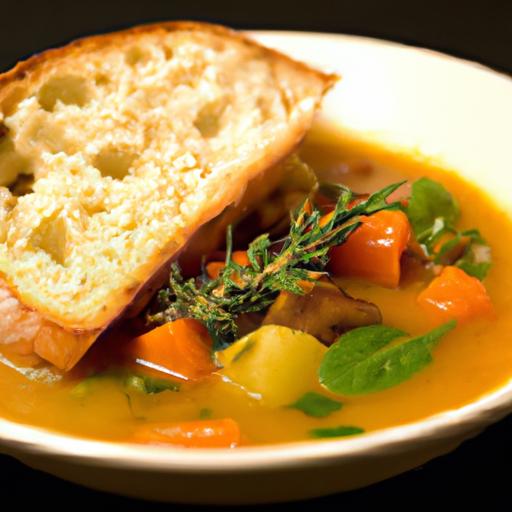

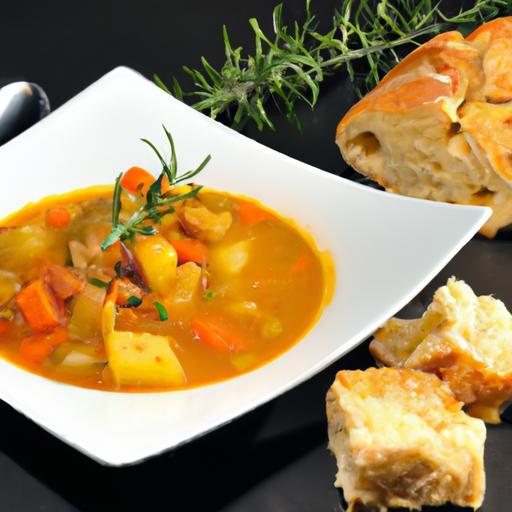
In the heart of Tuscany’s sun-drenched hills,where time seems to slow and flavors blossom,there’s a humble dish that tells a story of tradition,thrift,and rustic comfort: Ribollita. This hearty bread and vegetable soup is more than just a meal-its a celebration of the Tuscan countryside’s bounty and the resourcefulness of its people. Steeped in history and brimming with earthy vegetables, kale, beans, and day-old bread, Tuscan Ribollita invites you to savor the soulful blend of textures and tastes that have warmed generations. Join us as we explore this beloved culinary treasure, uncovering its roots, recipe, and the simple joys it brings to the table.
Tuscan Ribollita is much more than a soup; it’s a soulful journey into the heart of Tuscany’s rustic culinary heritage. This beloved hearty bread and vegetable stew originated as a humble peasant dish,designed to transform leftover minestrone and stale bread into a rich,nourishing meal. The magic of ribollita lies in its slow-simmered melding of earthy vegetables, fragrant herbs, and velvety beans, all resting under a blanket of thick Tuscan bread. As someone who first tasted it in a sun-dappled village kitchen near Florence,I can attest to ribollita’s comforting embrace and timeless appeal. This recipe will guide you through each step, unlocking the secret to its perfect harmony of flavors and texture.
Prep and Cook Time
- Preparation: 25 minutes
- Cooking: 2 hours 15 minutes (includes simmering and resting)
- Total Time: Approximately 2 hours 40 minutes
Yield
Serves 6 hearty portions
Difficulty Level
Medium – Ideal for cooks willing to nurture flavors gradually
Key Ingredients and Their Roles in Building Flavor
Every ingredient in Tuscan Ribollita plays a vital role in building a layered, comforting taste:
- Cannellini beans: Creamy and protein-packed, they provide the heartiness essential to the stew’s texture.
- Stale Tuscan bread: This unsalted bread acts as a thickening agent, soaking up broth and vegetables to create a luscious base.
- Cavolo nero (Tuscan kale): Slightly bitter and robust, its dark leaves add earthiness and depth, balancing the soup’s sweetness.
- Carrots, celery, and onions: The classic soffritto trio, sautéed to release their natural sweetness and umami foundation.
- Tomatoes (canned or fresh): Provide acidity and subtle brightness that cut through the richness.
- Garlic and rosemary: Infuse fragrant herbal notes that evoke the Tuscan countryside.
- Olive oil: generous quality extra virgin olive oil enriches every bite with a silky finish.
step-by-Step Guide to Perfecting Ribollita at Home
- Prepare the Cannellini Beans: Soak 1 cup dried cannellini beans overnight.Drain and rinse them, then simmer in fresh water for about 1 hour until tender. Alternatively, use 2 cups cooked or canned beans, drained.
- Make the Soffritto: Heat 4 tablespoons extra virgin olive oil in a heavy-bottomed pot. Add 1 large chopped onion, 2 diced carrots, and 2 stalks diced celery. Sauté until translucent and golden, about 8 minutes, stirring frequently to unlock sweetness.
- add Aromatics and Tomatoes: Stir in 4 minced garlic cloves and 2 sprigs fresh rosemary, cooking for 1 minute until fragrant. Pour in a can (14 oz) of crushed tomatoes,simmering for 10 minutes to develop depth.
- Incorporate Vegetables and Beans: Add 1 bunch chopped cavolo nero (Tuscan kale),reserved bean cooking liquid or vegetable broth (about 6 cups),and the cooked beans. Bring to a gentle simmer, partially covered, for 45 minutes, stirring occasionally.
- Prepare the Bread: cut 6-8 slices of stale unsalted Tuscan bread into cubes. Toast lightly to maintain structure when added.
- Build the Layers: In a large pot or oven-safe dish, alternate ladles of the soup and layers of bread cubes, finishing with a drizzle of olive oil.
- Reheat and Serve: ribollita traditionally means “reboiled.” Simmer the assembled dish again for 20 minutes. This step melds flavors even further and softens the bread into a rich, stew-like texture.
Chef’s Notes: Tips for Success
- Use authentic stale Tuscan bread without salt to avoid overpowering the delicate flavors.
- For a quicker option, canned beans work beautifully; just reduce the cooking time accordingly.
- Kale substitute: If cavolo nero is unavailable, hearty greens like Swiss chard or kale can be used, though flavor shifts slightly.
- Make ribollita a day ahead to enhance flavor infusion-the taste deepens wonderfully overnight.
- Adjust thickness by adding broth or letting the soup reduce to your preferred consistency.
- Olive oil drizzle: Always finish servings with a generous drizzle of high-quality extra virgin olive oil for silkiness and aroma.
Tips for Serving and Pairing Ribollita with Wine and Sides
Present ribollita rustic-style in deep bowls,garnished with a fresh rosemary sprig and a vibrant splash of olive oil.This hearty soup pairs exquisitely with a slice of grilled bruschetta or a simple green salad tossed in tangy vinaigrette to contrast its richness.
For wine, consider a medium-bodied Chianti classico or a fresh Rosso di Montalcino. These Tuscan reds complement the soup’s earthy kale and tomato base without overpowering its delicate balances. For non-red drinkers, a crisp Vermentino white offers bright contrast and a refreshing palate cleanser.
Enjoy ribollita alongside some Pecorino Toscano cheese, a rustic olive oil bread basket, and a few green olives for an authentic Tuscan experience.

| Nutrient | Per Serving |
|---|---|
| Calories | 320 kcal |
| Protein | 14 g |
| Carbohydrates | 48 g |
| Fat | 8 g |
Ingredients
- 1 cup dried cannellini beans (or 2 cups cooked/canned, drained)
- 6-8 slices stale Tuscan unsalted bread, cut into cubes
- 1 large onion, finely chopped
- 2 carrots, diced
- 2 celery stalks, diced
- 4 garlic cloves, minced
- 2 sprigs fresh rosemary
- 1 bunch cavolo nero (Tuscan kale), stems removed and leaves chopped
- 1 can (14 oz) crushed tomatoes
- 6 cups vegetable broth or reserved bean cooking liquid
- 4 tbsp extra virgin olive oil, plus extra for drizzling
- Salt and freshly ground black pepper, to taste
Instructions
- Soak and cook beans: Soak cannellini beans overnight. Cook in fresh water for 1 hour or until tender.Drain, reserving cooking liquid.
- Make soffritto: in large pot, warm olive oil over medium heat. Add onion, carrot, and celery. Sauté until soft and golden, about 8 minutes.
- Add garlic and rosemary: Stir in garlic and rosemary, cooking for 1 minute until fragrant.
- Add tomatoes: Pour in crushed tomatoes, simmer for 10 minutes to integrate flavors.
- Add greens, beans, and broth: Throw in kale, cooked beans, and broth/bean liquid. Season with salt and pepper. Simmer gently for 45 minutes.
- prepare bread: Toast bread cubes lightly in oven or pan.
- Layer soup and bread: In a pot or baking dish, layer soup and bread alternately. Drizzle olive oil on top.
- Reheat: Simmer assembled ribollita for 20 minutes until bread softens and soup thickens.
- Serve: Ladle into bowls,garnish with rosemary sprig and extra olive oil.
For more rustic Italian classics, explore our Classic Italian Broth Risotto. To learn about Tuscan culinary culture,visit Tuscany.com Food & Drink.
Q&A
Q&A: Tuscan Ribollita – Hearty Bread & Vegetable Soup Delight
Q1: What exactly is tuscan Ribollita?
A1: Ribollita is a conventional Tuscan soup that’s as rich in history as it is in flavor.Its name means “reboiled,” referring to the practice of reheating the soup over several days. This hearty dish blends rustic vegetables with day-old bread, transforming humble ingredients into a comforting, soul-warming meal.
Q2: Where does Ribollita originate from?
A2: Ribollita hails from Tuscany, a picturesque region in central Italy known for its simple yet robust cuisine.It was originally a peasant dish, making use of leftover bread and seasonal vegetables to create something nourishing and economical.
Q3: What are the classic ingredients in Ribollita?
A3: At its core, Ribollita features leftovers like stale Tuscan bread and a medley of hearty vegetables such as kale, cannellini beans, carrots, cabbage, onions, and tomatoes. Olive oil, garlic, and herbs like rosemary and thyme round out the deep, earthy flavors.
Q4: Why is day-old bread used in Ribollita?
A4: In Tuscany, wasting bread is almost a culinary sin. Day-old bread soaks up the soup’s broth, thickening it into a luscious and filling texture.This technique turns what might seem like scraps into something spectacularly satisfying.
Q5: How is Ribollita traditionally prepared?
A5: The soup starts with slow-cooked vegetables and beans simmered together until tender. The stale bread is layered in a pot and covered with the vegetable broth, then “reboiled” or reheated multiple times over days, allowing the flavors to meld deeply and creating that signature velvety richness.
Q6: Is Ribollita suitable for vegetarians?
A6: Absolutely! Ribollita is naturally vegetarian and often vegan, packed with plant-based ingredients and no need for meat or dairy. It’s a perfect choice for anyone craving a wholesome, hearty meal that’s both comforting and nutritious.
Q7: How does Ribollita reflect Tuscan culture?
A7: Ribollita embodies Tuscan values of frugality, respect for ingredients, and heartfelt simplicity. It’s a dish that honors the land’s bounty and the wisdom of making the most from what’s on hand-celebrating community, tradition, and the joys of slow-cooked food.
Q8: Can Ribollita be customized?
A8: Certainly! While the classic recipe is beloved, cooks often tweak the soup based on seasonal veggies or personal taste. Swapping kale for Swiss chard or adding a splash of balsamic vinegar can add delightful variations while maintaining Ribollita’s hearty soul.
Q9: When is the best time to enjoy Ribollita?
A9: Ribollita is a quintessential autumn and winter meal-perfect on crisp, chilly days when you need something warm and filling. Its robust flavors and thick texture make it an ideal comfort food that feels like a warm hug in a bowl.
Q10: What’s the best way to serve Ribollita?
A10: Serve Ribollita piping hot with a generous drizzle of extra virgin olive oil and perhaps a sprinkle of freshly cracked black pepper. A side of crusty Tuscan bread and a glass of Chianti wine can elevate this humble soup into a memorable feast. Buon appetito!
Concluding Remarks
As the final spoonful of Tuscan Ribollita warms your soul, you’re reminded why this humble bread and vegetable soup has endured through centuries of Italian tradition. More than just a meal, Ribollita is a celebration of resourcefulness and rustic charm-a delicious testament to the art of turning simple, everyday ingredients into a hearty masterpiece. Whether enjoyed by a fireside in a Tuscan kitchen or recreated in your own home,this soup invites you to savor the rich flavors of Italy’s countryside in every comforting bite.so next time you crave a dish that’s as nourishing to the spirit as it is to the palate, let Ribollita be your hearty, timeless companion.