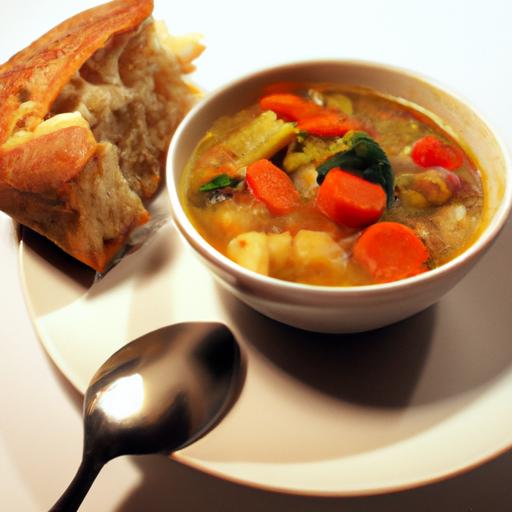

Nestled in teh heart of Italy’s sun-kissed countryside, Tuscan Ribollita is more than just a soup-it’s a party of simplicity, resourcefulness, and rustic charm. This hearty bread and vegetable stew, born from humble peasant traditions, transforms leftover minestrone and stale bread into a comforting, soul-warming dish that has stood the test of time. With its rich layers of kale, beans, carrots, and fragrant herbs, Ribollita invites you to savor the essence of Tuscany’s culinary heritage, where every spoonful tells a story of resilience and regional pride. Join us as we explore the origins, flavors, and secrets behind this beloved Italian classic that continues to delight taste buds around the world.
Tuscan Ribollita is much more than just a comforting bowl of rustic bread and vegetable soup; it is a storied taste of tuscan history, born from peasant ingenuity and crafted to transform humble leftovers into a hearty masterpiece. this soulful stew invites you to savor the essence of Tuscany’s rich agricultural heritage, brimming with kale, cannellini beans, and crusty bread all simmered slowly to produce layers of deep, nourishing flavors. Whether you’re craving a nourishing weekday meal or a dish that transports you to sun-soaked Italian countryside kitchens, this recipe will ignite your passion for timeless, wholesome cuisine.
Prep and Cook Time
- Planning: 20 minutes
- Cooking: 2 hours (including simmering and resting time)
- Total Time: 2 hours 20 minutes
Yield
Serves 6 generous portions
Difficulty Level
Medium – Requires patience but simple techniques
Key Ingredients That Bring Ribollita to Life
- 2 cups dried cannellini beans (or 4 cans, rinsed if pressed for time)
- 4 cups Tuscan kale (or Lacinato kale), chopped
- 1 large onion, finely diced
- 2 medium carrots, diced
- 2 celery stalks, diced
- 4 cloves garlic, minced
- 3 cups ripe tomatoes, crushed or chopped
- 4 cups vegetable broth, preferably homemade or low sodium
- 6 slices stale country bread, cut into cubes
- 1/4 cup extra-virgin olive oil
- 2 bay leaves
- Fresh thyme sprigs
- Salt and freshly cracked black pepper, to taste
- Optional: a pinch of crushed red pepper flakes for subtle heat
Mastering the Art of Layering Flavors in Ribollita
- Soak the beans overnight: Start by soaking your dried cannellini beans in plenty of water for 8 to 12 hours. This rehydration process softens the beans and reduces cooking time, setting the foundation for that creamy texture.
- Prepare the soffritto: In a heavy-bottomed pot, warm the olive oil over medium heat. Add the diced onion, carrots, and celery. Sauté until golden and aromatic,about 8 minutes,stirring frequently to coax out their natural sweetness while avoiding browning.
- Infuse with garlic and herbs: toss in the minced garlic, bay leaves, fresh thyme, and optional red pepper flakes. Stir for 1-2 minutes until fragrant, allowing each herb and spice to impart its essence.
- Add tomatoes and simmer: Pour in the crushed tomatoes and cook gently for 10 minutes, letting their acidity meld beautifully with the soffritto’s richness.
- Cook beans and kale: Drain the soaked beans and add them to the pot along with vegetable broth. Bring the mixture to a boil, then reduce to low heat and simmer uncovered for about 1 hour, or until beans are tender. In the last 15 minutes, stir in the kale allowing it to soften yet remain vibrant.
- Incorporate rustic bread: Tear the stale bread into bite-sized pieces and add to the pot. Let it soak and break down, thickening the soup into a wonderfully hearty, stew-like consistency.
- Rest and reheat: Ribollita – meaning “reboiled” in Italian – truly shines when allowed to rest. Cool the soup, refrigerate overnight, and reheat the next day slowly, unlocking even deeper layers of flavor.
- adjust seasoning and serve: Before serving, remove bay leaves and thyme stems. Season generously with salt and freshly ground black pepper, and drizzle with extra virgin olive oil to finish.
Chef’s Tips for Success
- Bean Swap: While cannellini beans are traditional, great northern beans or borlotti can be used as flavorful alternatives.
- Broth Matters: For a richer taste, use homemade vegetable broth infused with rosemary or sage.
- Leafy Grain Boost: Substitute or supplement kale with swiss chard or spinach for a varied texture and flavor.
- Gluten-Free Adaptation: Use gluten-free stale bread or omit it to keep it gluten-friendly and still satisfyingly hearty.
- Make Ahead: Ribollita is a perfect make-ahead meal; flavors deepen overnight and it reheats beautifully-ideal for meal prepping.
Serving Suggestions and Tips for Perfecting Your Rustic Soup
Serve Tuscan Ribollita steaming hot in deep bowls. A generous drizzle of extra virgin olive oil on top adds a glossy richness. Garnish with finely chopped fresh parsley or a sprinkle of grated Parmesan for a subtle umami lift. Accompany with crisp Tuscan bread or grilled focaccia on the side to mop up the luscious broth.
This satisfying soup pairs beautifully with a robust Chianti or a crisp white Vernaccia di San Gimignano to evoke the full Tuscan experience at home. A simple green salad with a lemon vinaigrette balances the hearty textures for a complete rustic meal.
| Nutrient | Per Serving |
|---|---|
| Calories | 320 kcal |
| Protein | 15 g |
| Carbohydrates | 48 g |
| Fat | 6 g |
Explore more Tuscan delights like the vibrant Panzanella Salad to complement your rustic soup repertoire.
For a deeper dive into the rich history of Tuscan cuisine, visit Accademia Italiana della Cucina, an authoritative source on authentic Italian culinary traditions.

Q&A
Q&A: Tuscan Ribollita – Rustic Bread & Vegetable Soup Delight
Q1: What exactly is Ribollita?
A1: Ribollita is a hearty, traditional Tuscan soup that’s all about celebrating simplicity and sustainability. Its name means “reboiled” in Italian, hinting at its origins as a thrifty way to transform leftover vegetable soup and stale bread into a warming, delicious meal.
Q2: What are the key ingredients in Ribollita?
A2: The soul of ribollita lies in its humble ingredients: sturdy Tuscan bread (preferably day-old), kale or cavolo nero (Tuscan black cabbage), cannellini beans, carrots, onions, celery, and tomatoes. Olive oil, garlic, and herbs like rosemary and thyme bring everything together with rustic charm.
Q3: Why is stale bread used in Ribollita?
A3: Tuscan cuisine has always embraced thriftiness. Using stale or day-old bread is a practical way to avoid waste while adding a robust, chewy texture that soaks up the flavors of the vegetable broth, turning Ribollita into a soul-satisfying stew.
Q4: How is Ribollita traditionally prepared?
A4: The magic is in the layering and slow cooking. Vegetables are sautéed, beans added for creaminess, then the soup simmers gently before the bread is layered in. The soup is cooled and refrigerated overnight, then “reboiled” the next day to deepen the flavor, so the name Ribollita.
Q5: What makes Ribollita a quintessential Tuscan dish?
A5: Ribollita epitomizes Tuscan values-simplicity, respect for ingredients, and a no-waste mindset. It reflects the rural heritage of the region, turning peasant pantry staples into a dish that’s rustic, comforting, and soul-warming.
Q6: Can Ribollita be adapted for modern diets?
A6: Absolutely! While traditional Ribollita is naturally vegan and gluten-heavy due to the bread, modern cooks can swap in gluten-free bread or add a dash of Parmesan for a non-vegan twist. The dish’s flexible foundation makes it easy to personalize.
Q7: When is the best time to enjoy Ribollita?
A7: Ribollita shines brightest on crisp autumn or winter days-when the chill invites a steaming bowl of nourishing comfort. It’s perfect as a cozy lunch or a hearty dinner that fills the kitchen with the aroma of tuscany.
Q8: How can I serve Ribollita to elevate the experience?
A8: Serve Ribollita with a drizzle of extra virgin olive oil, a sprinkle of freshly cracked black pepper, and perhaps a wedge of rustic bread on the side. A glass of Chianti or a crisp white wine pairs beautifully, turning a simple soup into a Tuscan feast.
Q9: What’s the story behind the name “Ribollita”?
A9: “Ribollita” literally means “reboiled.” The soup was traditionally cooked in large batches, stored overnight, and reheated the next day, which intensified its flavors. This reheating process not only enhanced taste but also reflected resourcefulness in Tuscan kitchens.
Q10: Where can I find authentic Ribollita if I’m visiting Tuscany?
A10: Most traditional trattorias and family-run osterias in rural Tuscany will proudly serve Ribollita during cooler months. Ask your hosts or local chefs-they’ll often have their own cherished twist on this ancestral soup. It’s an edible postcard from the heart of Tuscany!
Final Thoughts
In the heart of Tuscany, Ribollita is more than just a soup-it’s a celebration of tradition, resourcefulness, and simple, wholesome ingredients transformed into a comforting embrace. This rustic bread and vegetable delight invites you to savor the earthy flavors of the region, reminding us that great food frequently enough comes from humble beginnings. Whether enjoyed on a chilly evening or as a midday feast, Ribollita carries with it the warmth of Tuscan kitchens and the timeless joy of sharing a meal crafted with care. So next time you’re craving something nourishing yet soul-satisfying,remember this ancient recipe and let Ribollita bring a taste of Italy’s countryside right to your table.