
Ther’s a reason why Maine lobster rolls have become an enduring symbol of coastal charm and culinary delight-a timeless taste that captures the essence of summer by the sea. With their buttery, toasted buns cradling sweet, succulent lobster meat, these sandwiches are more than just a meal; they’re a celebration of tradition and simplicity done perfectly. In this article, we’ll dive into the art of making classic Maine lobster rolls, exploring everything from selecting the freshest lobster to mastering the delicate balance of flavors that make each bite unforgettable.
Whether you’re a seasoned seafood lover or a curious newcomer, join us as we uncover the secrets behind this iconic New England favorite and bring a little taste of Maine to your kitchen.
Choosing the perfect lobster sets the stage for an unforgettable Maine roll experience. Freshness is paramount – seek out vibrant, live lobsters with a firm shell and lively movement, signaling optimal sweetness and texture. Authentic Maine lobster rolls come alive when the seafood is tender yet substantial, with succulent claw and tail meat that naturally star in this timeless taste. Opt for lobsters weighing between 1¼ to 1½ pounds; they tend to offer the ideal balance of meat-to-shell ratio, making the preparation more manageable and rewarding.
Mastering the Art of the Ideal Bun: Texture and Toasting Tips
While fresh lobster is the heart of the roll, the bun plays an equally crucial supporting role.Traditional New England-style hot dog buns with a top split lend themselves perfectly to holding generous lobster portions. To elevate texture and flavor, lightly brushing the bun’s crust with melted butter before toasting it on a griddle or skillet until golden brown creates a softly crisp exterior while retaining a pillowy center. This buttery, toasted shell creates a warm cradle that contrasts beautifully with the cool, tender lobster.
Crafting the Classic Dressing: Balancing Simplicity and Flavor
The dressing embodies the spirit of subtlety-never overpower the natural lobster sweetness. A simple combination of fresh mayonnaise, a squeeze of lemon juice, a touch of celery seed, and a pinch of sea salt creates an elegant, creamy companion. For an added dimension, finely minced fresh chives or a hint of Dijon mustard can be incorporated delicately. The goal is a light, bright dressing that enhances rather than masks the lobster’s essence.
Assembling with Care: Presentation and Serving Suggestions
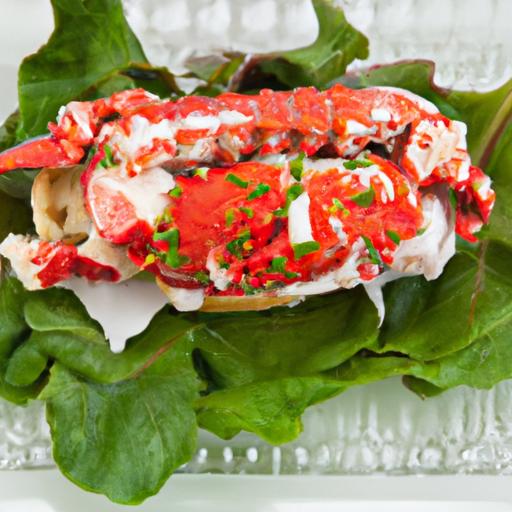
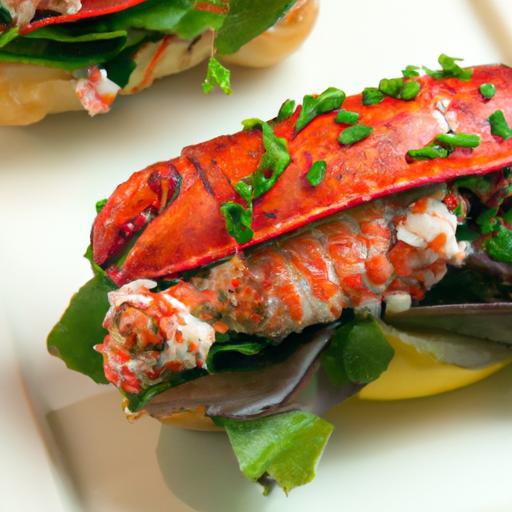
Gentle assembly is key. Fold the lobster meat and dressing together without over-mixing to preserve chunks and texture. Pile the filling generously into the toasted buns and finish with a sprinkle of fresh parsley or tarragon for visual appeal and herbal lift. Serve alongside classic accompaniments such as crisp dill pickles and crunchy kettle-cooked chips, or elevate the plate with a simple lemon wedge and a lightly dressed green salad for a balanced meal that evokes the coastal charm of Maine.
prep and Cook Time
- Preparation: 20 minutes
- Cooking (lobster boiling and bun toasting): 15 minutes
- Total: 35 minutes
Yield
- 4 classic Maine lobster rolls
Difficulty Level
- medium – requires attention to detail but straightforward techniques
ingredients
- 1¼ to 1½ pounds live Maine lobster, boiled and cooled
- 4 New England-style hot dog buns, top split
- 3 tablespoons fresh mayonnaise (preferably homemade or high-quality)
- 1 teaspoon fresh lemon juice
- ½ teaspoon celery seed
- 2 tablespoons unsalted butter, melted (for toasting buns)
- Salt and freshly ground black pepper, to taste
- 1 tablespoon fresh chives, finely minced (optional)
- Fresh parsley or tarragon, for garnish
Instructions
- Prepare the lobster: Submerge the live lobster in boiling salted water and cook for 8-10 minutes until the shell turns bright red. Transfer the lobster to an ice bath to halt cooking and cool for 5 minutes.
- Extract the meat: Carefully remove the claws, knuckles, tail, and meat from the joints. Chop the lobster meat into large chunks, reserving as much intact texture as possible for the authentic Maine lobster roll feel.
- Make the dressing: In a mixing bowl, combine the mayonnaise, lemon juice, celery seed, a pinch of salt, and pepper.Stir in the chives if using. Taste and adjust seasoning ensuring the dressing is light, tangy, and balanced.
- Blend lobster and dressing: Gently fold the lobster meat into the dressing. Avoid over-mixing to retain lobster’s natural texture.
- Prepare the buns: Brush each bun generously with melted butter on both sides. Heat a skillet or griddle over medium heat and toast buns until golden brown, about 2 minutes per side. Transfer to serving plates.
- Assemble: Spoon the lobster mixture into each toasted bun, gently mounding it.
- Garnish and serve: Sprinkle fresh parsley or tarragon on top for a fragrant finish. Serve promptly with preferred sides.
Tips for success
- Choosing lobster: Select live lobsters from reputable seafood markets or trusted sellers.If live lobster is unavailable,purchase fresh cooked lobster meat preferably from Maine.
- Make-ahead tip: Prepare lobster and dressing up to 2 hours in advance, chilled and covered. Toast buns just before serving.
- Butter option: For a richer flavor, brown the butter lightly before brushing the buns.
- Variations: Swap celery seed for a pinch of finely chopped celery stalk for crunch, or add a dash of smoked paprika for subtle warmth.
Serving Suggestions
Pair each classic Maine lobster roll with crunchy kettle-cooked potato chips and a crisp dill pickle spear.Add a wedge of lemon on the side for guests to add a fresh citrus burst. For a well-rounded coastal meal, serve with a simple mixed green salad dressed in vinaigrette or a chilled clam chowder as a starter. presentation tip: use oyster crackers or edible flowers to brighten the plate, enhancing the visual and sensory experience that embodies this timeless taste.
| Nutrient | Per Serving |
|---|---|
| Calories | 320 kcal |
| Protein | 25 g |
| Carbohydrates | 30 g |
| Fat | 12 g |

Interested in expanding your seafood skills? check out our guide to cooking perfect seafood for extra tips and tricks. For detailed lobster sourcing standards and sustainability practices, visit the NOAA Fisheries lobster resource page.
Q&A
Q&A: Timeless Taste – How to Make Classic Maine Lobster Rolls
Q1: What makes a Maine lobster roll “classic”?
A1: The hallmark of a classic Maine lobster roll lies in its simplicity and freshness. It’s all about sweet, tender lobster meat nestled in a soft, buttery split-top bun, lightly dressed-often just with mayo or drawn butter-and finished with a sprinkle of celery or chives for subtle crunch and color. No heavy sauces, no overcomplications-just pure, seafood perfection.
Q2: Which type of lobster is best for making lobster rolls at home?
A2: Maine lobster, of course! Fresh-caught from the cold, clear waters of the North Atlantic, these lobsters boast a sweet, delicate flavor and tender texture. If fresh lobster isn’t available, high-quality frozen lobster tails can be a decent substitute, but nothing quite matches the authentic Maine experience.
Q3: How do you prepare lobster meat for the perfect roll?
A3: Start by boiling or steaming whole lobsters until their shells turn vibrant red and the meat is opaque and tender. Once cooled, crack open the shells gently to remove the meat from claws, knuckles, and tails. Chop the meat into bite-sized chunks-too much chopping loses texture, too little makes it hard to eat. toss lightly with a bit of mayo, lemon juice, salt, and pepper. Some purists skip mayo altogether, opting instead for melted butter drizzled over warm lobster.
Q4: What’s the secret to choosing the right bun?
A4: The bun should be a soft,top-split hot dog bun-like the iconic New England “split-top” style.It’s pillowy and buttery, perfect for holding lobster without overwhelming its delicate flavor.Toast the bun gently in butter until golden and just slightly crispy, which adds a lovely contrast to the tender meat.
Q5: Can you add extras to a classic lobster roll?
A5: While the classic roll keeps things minimalistic, feel free to add subtle extras if you desire. A small pinch of finely diced celery lends crunch,a dash of fresh chives adds brightness,or a light sprinkle of paprika can bring warmth. But beware-overloading with lettuce, tomatoes, or sauces can mask the lobster’s natural sweetness.
Q6: Any tips for serving the perfect lobster roll?
A6: Serve immediately after assembling to keep buns crisp and lobster chilled or warm, depending on your preference. Pair with Maine’s iconic sides like crispy kettle-cooked potato chips, a squeeze of fresh lemon, and perhaps a cold glass of crisp white wine or a local craft beer. This simple feast transports you straight to the rocky shores of Maine, bite by buttery bite.
Q7: How can I authentically capture the “taste of Maine” if I’m not near the coast?
A7: Use the freshest lobster you can find,source New England-style buns,and avoid over-seasoning. sometimes, it’s about mindset as much as ingredients: imagine the salty sea air, the rugged coastline, the sound of waves crashing-and savor the roll slowly. The nostalgia and care you put in turn any kitchen into a true Maine lobster shack.
Enjoy crafting your own timeless taste-because a classic Maine lobster roll isn’t just a sandwich, it’s a celebration of coastal tradition and culinary purity!
To Conclude
As the waves of flavor from a perfectly crafted Maine lobster roll linger on your palate, it’s clear that this timeless classic is more than just a meal-it’s a celebration of coastal heritage and simple, fresh ingredients done right. Whether you follow every step to the letter or add your own twist, mastering the art of the lobster roll invites you into a tradition that’s as rich and satisfying as the sweet lobster meat itself.
So next time you’re craving a bite of new England charm, remember: the perfect lobster roll isn’t just about the recipe-it’s about savoring a true taste of the sea, timelessly delivered in every buttery, toasted bun.