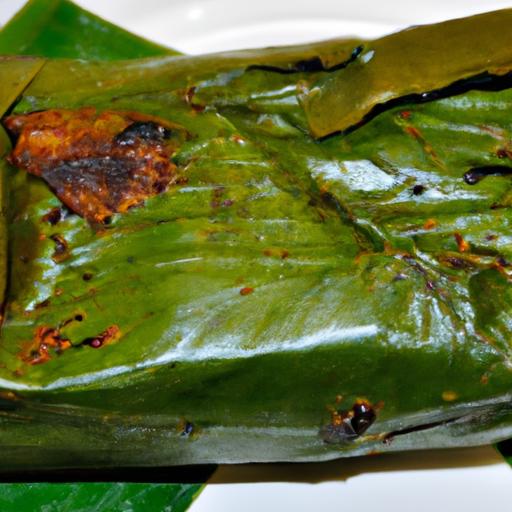

nestled along the sun-kissed backwaters and vibrant coastal kitchens of kerala lies a culinary treasure that captures the very essence of the region’s rich flavors-Meen Pollichathu. This traditional dish, where fresh fish is lovingly marinated in a symphony of spices, wrapped securely in fragrant banana leaves, and then grilled to perfection, is much more than a meal-it’s a sensory journey. Each bite unfolds the smoky whispers of the charred leaf, the tangy zest of local ingredients, and the timeless heritage of Kerala’s coastal communities. In this article, we dive deep into the origins, preparation, and cultural meaning of Meen Pollichathu, inviting you to savor the story behind Kerala’s flavorful fish wrapped in nature’s own package.
Origins and cultural Significance of Meen Pollichathu in Kerala’s Culinary Heritage
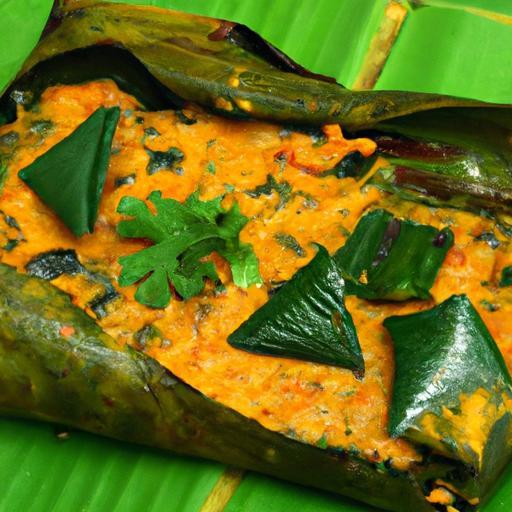
meen Pollichathu is a time-honored delicacy from Kerala’s vibrant coastal kitchens, where the ocean’s bounty meets aromatic spices wrapped lovingly in banana leaves. This dish is steeped in tradition, originating in the Malabar region where fishing communities perfected this method of cooking to preserve the freshness of the catch while infusing it with fiery, fragrant masalas. The banana leaf wrap not only locks in the moisture but adds a subtle, earthy aroma, making every bite a celebration of Kerala’s rich culinary heritage.
The cultural significance of Meen Pollichathu lies in its role as a festive and communal dish often served during celebrations and temple festivals. Each family’s version carries a testament to Kerala’s diverse spice palette-curry leaves, mustard seeds, red chilies, and coconut oil come together to create the unmistakable flavor profile. In many homes, preparing this dish is an art passed through generations, embodying respect for nature’s gifts and the joy of sharing food.
Mastering the Art of Preparing the Perfect Banana Leaf Wrap for Meen Pollichathu
Mastering the delicate technique of folding and sealing the banana leaf is key to unlocking the authentic experience of Meen Pollichathu. To prepare the leaves, gently heat them over an open flame or in a hot pan untill pliable-this prevents tearing and enhances their fragrant essence. Carefully brush the leaves with a thin layer of coconut oil, wich prevents sticking and enriches the flavor.
When wrapping, place the marinated fish toward one edge of the leaf, fold the sides over, and roll tightly to form a neat parcel.Secure with a toothpick or kitchen twine if necessary. The goal is to create a steaming pouch that traps the spices and juices, gently poaching the fish in its own aromatic marinade.
Selecting the Ideal Fish and Spices to Capture Authentic Kerala Flavors
Choosing fresh, firm-fleshed fish is imperative.Varieties like kingfish (seer fish), pearl spot (karimeen), or sardines provide the right texture to absorb the bold spices without falling apart.The spice blend is vibrant yet balanced: roasted red chilies, freshly ground coriander, black pepper, ginger, turmeric, and a hint of jaggery for subtle sweetness.
Don’t skimp on the aromatic mustard seeds tempered in coconut oil-this unlocks smoky, nutty notes essential for the authentic taste. Fresh curry leaves and green chilies add brightness and depth. The marinade should be thick enough to coat every surface of the fish, ensuring an explosion of flavor when steamed inside the banana leaf.
Serving Suggestions and Pairings to Elevate Your Meen Pollichathu Experience
Present Meen Pollichathu right from the banana leaf parcel for a dramatic and rustic appeal. Garnish with freshly chopped coriander and a wedge of lime to enhance the natural flavors. Serve alongside steaming hot kerala red rice or appam (fermented rice pancakes) to soak up the luscious sauces.
A simple cucumber and shallot salad with a dash of coconut vinegar provides a refreshing contrast to the spicy richness of the fish. Pair with a cool, mildly sweet tender coconut water or a crisp, chilled white wine to balance the heat.
Prep and Cook Time
- Prep Time: 30 minutes
- Marination Time: 1 hour
- Cook Time: 20 minutes
- Total Time: 1 hour 50 minutes
Yield
Serves 4 generous portions
Difficulty Level
Medium – requires some familiarity with spice roasting and banana leaf handling
Ingredients
- 1 kg fresh firm fish (kingfish, pearl spot, or sardines), cleaned and cut into medium pieces
- 3 tbsp coconut oil
- 2 tbsp mustard seeds
- 10-12 fresh curry leaves
- 6 dried red chilies
- 2 tbsp coriander seeds
- 1 tsp black peppercorns
- 1-inch piece of ginger, chopped
- 1/2 tsp turmeric powder
- 2 green chilies, slit lengthwise
- 2 tbsp tamarind paste
- 1 tbsp jaggery (or brown sugar)
- Salt to taste
- 4 large banana leaves, cleaned and pliable
- 1 small onion, thinly sliced (optional)
Instructions
- Roast the spices: In a dry pan, roast the dried red chilies, coriander seeds, and black peppercorns for about 3-4 minutes until fragrant.Let cool.
- Grind the masala: Using a mortar and pestle or a spice grinder, coarsely grind the roasted spices with chopped ginger, turmeric, and salt.
- Prepare the marinade: Combine the ground spices, tamarind paste, jaggery, green chilies, and sliced onions (if using) in a bowl. Stir in 2 tablespoons of coconut oil and mix well.
- Coat the fish: Toss fish pieces in the marinade, ensuring they are fully covered. Marinate for at least 1 hour in the refrigerator.
- Prepare the banana leaves: heat a dry pan or open flame and carefully soften the banana leaves until flexible. Brush both sides with a thin layer of coconut oil.
- Tempering: In a small pan, heat remaining coconut oil. Add mustard seeds and curry leaves. Sauté until mustard seeds begin to pop. Pour this tempering over the marinated fish for a flavorful boost.
- Wrap the fish: Place marinated fish on one half of each banana leaf. Fold and seal the leaf securely, using toothpicks if needed.
- Cook: Place banana leaf parcels on a hot griddle or tawa. Cook over medium heat, turning occasionally, for about 15-20 minutes. The leaf will darken, and the fish will steam to perfection inside.
- Serve: Allow the parcels to rest for 2 minutes before unwrapping. Enjoy immediately with your chosen sides.
Tips for Success
- Use fresh banana leaves for the best aroma. If unavailable, parchment paper can be a substitute but the flavor will differ.
- Don’t over-marinate fish beyond 2 hours, as tamarind’s acidity can break down the flesh excessively.
- Try adding a sprinkle of grated coconut inside the wrap for extra texture and nuttiness.
- For a smokier flavor, cook the wrapped parcels over charcoal or a low flame on an outdoor grill.
- Make ahead: prepare and marinate fish in advance but wrap and cook just before serving for maximum freshness.
Serving Suggestions
For an elevated Meen Pollichathu experience,serve the parcels on rustic banana leaf platters. Garnish with fresh coriander leaves and lime wedges for a zesty kick. Complement the dish with Kerala red rice or fluffy appams, and a simple coconut chutney or fresh tomato-onion salad. A side of tangy cucumber raita can also balance the heat and spice beautifully.
| Nutrient | Per Serving |
|---|---|
| Calories | 280 |
| Protein | 35g |
| Carbohydrates | 8g |
| Fat | 12g |

Q&A
Q&A: Meen Pollichathu – Kerala’s Flavorful Fish in Banana Leaf Wrap
Q1: What is Meen Pollichathu?
A1: Meen Pollichathu is a traditional Kerala delicacy where fish is marinated with a blend of aromatic spices, then lovingly wrapped in banana leaves and grilled to perfection. The name itself-“Meen” meaning fish and “Pollichathu” meaning to grill or roast wrapped-captures the essence of this flavorful, smoky dish.
Q2: Why is banana leaf used in Meen Pollichathu?
A2: Banana leaves are more than just natural wrappers-they infuse the fish with a subtle, earthy fragrance while locking in moisture and flavors. When grilled, the leaves impart a unique aroma that enhances the sensory experience, creating a moist, tender, and richly flavored dish without the need for extra oil or fat.
Q3: What types of fish are ideal for Meen Pollichathu?
A3: Kerala’s coastal bounty offers many options, but oily fish like pearl spot (Karimeen), sardines, or mackerel are favorites. Their firm texture holds up well during grilling and absorbs the marinade’s spice mix deeply, making each bite burst with taste.
Q4: What makes the marinade special?
A4: The marinade is a vibrant symphony of local spices-turmeric, red chili powder, black pepper, fenugreek, curry leaves, garlic, and shallots-blended with tangy tamarind or lemon juice.This concoction not only flavors the fish but also tenderizes it,balancing heat,tang,and earthiness in perfect harmony.
Q5: How is Meen Pollichathu traditionally cooked?
A5: After marinating, the fish is wrapped securely in banana leaves, sometimes tied with coconut fiber strings, then cooked over an open flame, on a griddle, or in a hot pan. The slow grilling seals in the marinade, allowing the fish to steam gently in its own juices, resulting in a smoky, moist delicacy.Q6: How does Meen Pollichathu reflect Kerala’s culinary culture?
A6: This dish embodies Kerala’s coastal heritage-where the sea meets spice-laden kitchens and nature’s bounty is celebrated. Using local ingredients and traditional cooking methods,Meen Pollichathu is a testament to the region’s love of bold flavors and sustainable,natural cooking techniques.
Q7: Can Meen Pollichathu be adapted for modern cooking?
A7: Absolutely! While traditionally grilled over coals, home cooks can use a grill pan, oven, or even an air fryer with banana leaves (available in stores or fresh in some markets).The essence lies in the marinade and wrapping, so the heart of the dish remains intact, adapting beautifully to contemporary kitchens.
Q8: What are popular accompaniments to Meen Pollichathu?
A8: This flavorful fish pairs wonderfully with steamed rice or appam (fermented rice pancakes). A side of coconut chutney or a simple salad balances the smoky richness, making a wholesome, satisfying meal rooted deeply in Kerala’s culinary traditions.
Meen pollichathu isn’t just a dish-it’s a sensory journey through Kerala’s coastal flavors, wrapped in tradition and steamed in the fragrant embrace of banana leaves. Whether you’re a curious foodie or a devoted fan of Indian coastal cuisine, exploring Meen Pollichathu offers a taste of Kerala’s vibrant culinary soul.
Future Outlook
As the aromatic steam of Meen Pollichathu rises from the banana leaf, it carries with it the rich heritage and vibrant flavors of kerala’s coastal kitchens. This traditional fish delicacy, lovingly marinated in a medley of spices and gently cooked to perfection, offers more than just a meal-it is a sensory journey through the region’s culinary soul. Whether you’re a seasoned food lover or a curious traveler, savoring Meen Pollichathu is an invitation to experience the warmth of Kerala’s culture wrapped in the earthy embrace of banana leaf, one flavorful bite at a time.