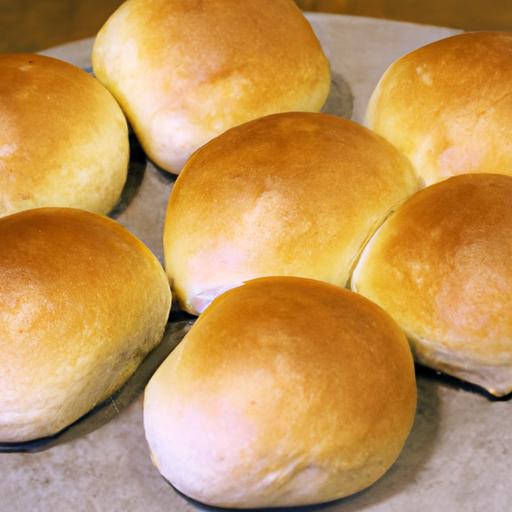

There’s something undeniably comforting about tearing into a warm, fluffy dinner roll-its pillowy texture melting effortlessly in your mouth, the subtle buttery aroma wrapping around your senses like a gentle hug.Yet achieving that perfect cloud-like softness at home can seem elusive,reserved for bakery cases and holiday feasts.
But fear not: with the right techniques and a touch of patience, mastering these golden orbs of pillowy perfection is well within your reach. In this guide, we’ll unravel the secrets behind crafting irresistibly fluffy dinner rolls that will elevate any meal from ordinary to extraordinary-transforming your kitchen into a haven of homemade bread bliss.
Pillowy Perfection in dinner rolls begins long before they meet the oven’s warmth. Selecting premium ingredients, mastering dough texture, and guiding your dough through the ideal rising stages are essential to creating those irresistibly fluffy bites that melt in your mouth.Whether you’re new to baking or looking to elevate homemade rolls, this guide will walk you through the secrets to soft, tender, and light rolls that impress every time.
Prep and Cook Time
- Preparation: 20 minutes
- First Rise: 1 hour
- Shaping & Second Rise: 40 minutes
- Baking: 15-18 minutes
- Total Time: Approximately 2 hours 15 minutes
Yield
Yields 12 to 16 dinner rolls, perfect for family meals or entertaining guests.
Difficulty Level
Medium – Ideal for confident home bakers ready to deepen their bread skills.
Ingredients
- 3 ½ cups all-purpose flour, sifted
- 1 cup whole milk, warmed (about 110°F / 43°C)
- 2 ¼ tsp active dry yeast (1 packet)
- ⅓ cup granulated sugar
- 1 tsp fine sea salt
- 4 tbsp unsalted butter, softened (plus 2 tbsp melted for brushing)
- 1 large egg, room temperature
- Optional: 1 tbsp honey for a subtle floral sweetness
Instructions
- Activate the yeast: In a small bowl, whisk the warm milk and sugar together. Sprinkle the yeast over the surface and let it bloom for 5-7 minutes,until frothy and bubbling.
- combine dry ingredients: In a large mixing bowl, whisk together the sifted flour and sea salt evenly.
- Mix wet ingredients: Beat the cooled (yet still warm) milk-yeast mixture with the softened butter, egg, and honey (if using).
- Form the dough: Gradually pour the wet mixture into the dry flour. Stir with a wooden spoon or dough hook attachment until it comes together in a shaggy ball.
- Knead for grace: Transfer to a floured surface and knead by hand for 8-10 minutes until the dough is smooth, elastic, and slightly tacky but not sticky. alternatively, use a stand mixer with dough hook on medium speed for 6-7 minutes.
- First rising: Place the dough in a large, lightly greased bowl, cover with a clean, damp kitchen towel or plastic wrap. Let it rise in a warm (75-80°F / 24-27°C), draft-free spot for about 1 hour or until doubled in size.
- Punch down and shape: Gently deflate the dough, then divide it into 12 to 16 equal pieces. Shape each into smooth balls by folding edges underneath and pinching closed, creating a taut surface that encourages even rising.
- Second rise: Arrange the shaped rolls on a parchment-lined baking sheet or in a greased baking dish, leaving a small gap between each. Cover again with towel or plastic wrap and proof for 40 minutes,or until puffy and nearly doubled.
- Bake: Preheat your oven to 375°F (190°C).brush the tops lightly with melted butter to promote golden crust and tenderness.Bake the rolls in the center rack for 15-18 minutes or until golden brown and hollow-sounding when tapped.
- Cool and finish: Remove from oven and brush once more with melted butter for added softness and a glossy finish. Let cool slightly before serving warm.
Tips for Success: Achieving Pillowy Perfection in Dinner Rolls
- Ingredient temperature matters: Warm milk activates yeast perfectly without killing it. Butter softened at room temperature incorporates best.
- Flour quality: Use unbleached all-purpose flour for optimal gluten growth and softness. Avoid heavy bread flour as it can make rolls chewy.
- Consistent dough texture: Your dough should feel soft and slightly sticky but manageable.Add flour sparingly in kneading to avoid dryness.
- Control proofing habitat: Use an oven with the light on or a warm cupboard to maintain a steady temperature for proofing.
- Don’t rush rising times: Patience leads to more air bubbles, resulting in softer and lighter texture.
- Brush generously: Butter both before and after baking preserves moisture and creates an inviting crust.
- Make-ahead option: After shaping, freeze rolls on a baking sheet, then transfer to a sealed bag. Thaw, proof, and bake fresh.
Serving Suggestions
These soft rolls shine warm and buttered but are equally versatile:
- Serve alongside creamy mashed potatoes and gravy for a comforting feast.
- Use as slider buns with pulled chicken or savory mushroom ragout.
- Garnish with fresh chopped rosemary or flaky sea salt for a rustic finish.
- Accompany honey butter or garlic herb butter for added indulgence.

| Nutrient | Per Roll (Approx.) |
|---|---|
| Calories | 140 kcal |
| Protein | 4 g |
| Carbohydrates | 22 g |
| Fat | 4 g |
For more expert bread baking tips, check out our Ultimate Bread Baking Guide. To deepen your understanding of yeast fermentation science behind softness, visit this King Arthur Baking resource.
Q&A
Q&A: Pillowy Perfection – Mastering Fluffy Dinner Rolls at Home
Q1: What makes a dinner roll truly “pillowy” and fluffy?
A1: The secret to those irresistibly soft and airy dinner rolls lies in the delicate balance of ingredients and technique. Its all about incorporating enough moisture, using the right flour, and allowing the dough to rise slowly so that tiny air bubbles form. These bubbles create that cloud-like texture which melts in your mouth with every bite.
Q2: Can I use regular all-purpose flour, or do I need special flour for fluffy rolls?
A2: While you can definitely achieve good results with all-purpose flour, bread flour is frequently enough recommended for fluffy dinner rolls.Bread flour’s higher protein content helps develop gluten, giving your rolls that perfect chewy interior and sturdy structure to hold all the fluffy air pockets. If you only have all-purpose, just be extra gentle with kneading.
Q3: How important is the yeast, and can I substitute active dry yeast with instant yeast?
A3: Yeast is the magical leavening agent that breathes life into your dough. both active dry and instant yeast work well; however, instant yeast can be mixed directly into the flour and usually acts faster. If substituting, use slightly less instant yeast than active dry, and watch your dough rise; timing may shift, but the fluffiness remains.
Q4: What’s the role of fat,like butter or oil,in fluffy dinner rolls?
A4: Fat is the unsung hero of softness. Adding butter or oil tenderizes the dough, lubricates gluten strands, and retains moisture, resulting in a more delicate crumb and that legendary melt-in-your-mouth feel.Don’t shy away from a generous pat of butter in the recipe-it truly elevates your rolls.
Q5: How long should I let my dough rise to get the best texture?
A5: Patience is key! The first rise, called “bulk fermentation,” should continue until the dough doubles in size-typically 1 to 1.5 hours in a warm spot. After shaping the rolls, they need a second rise of about 30 to 45 minutes until puffed up and jiggly. This double-rise helps develop flavor and creates that light, airy crumb.
Q6: Can I make these rolls ahead of time and freeze them?
A6: Absolutely! Dinner rolls freeze beautifully. After shaping and giving them the initial rise, place them on a baking sheet to flash freeze, then transfer to a freezer bag. When ready, thaw and let them rise once more before baking. This makes pillowy perfection easy and convenient anytime.
Q7: Any tips for achieving a golden, glossy crust on these soft rolls?
A7: For that golden, inviting crust, brush your rolls with melted butter right after they come out of the oven. You can also try an egg wash before baking for a shiny finish-just whisk one egg with a splash of water and gently brush it on. Both methods add a beautiful, appetizing sheen without sacrificing softness.
Q8: How can I customize dinner rolls while keeping them fluffy?
A8: The beauty of dinner rolls is their versatility! Add-ins like garlic and herb blends, shredded cheese, or sweet notes like cinnamon and honey can be folded into the dough. Just be mindful not to overload with extras, which could weigh down the dough. Balance is key to keep that cloud-like lightness intact.
Mastering fluffy dinner rolls at home turns everyday meals into special occasions. With the right ingredients, timing, and a sprinkle of love, you’ll soon bake batches of pillowy perfection that disappear faster than you can say “pass the butter!”
To Conclude
As the warm aroma of freshly baked dinner rolls fills your kitchen, you’ve unlocked the secret to pillowy perfection-one that transforms humble ingredients into cloud-like bites of comfort. Mastering fluffy dinner rolls at home isn’t just about following a recipe; it’s about embracing the delicate dance of yeast, flour, and time to create something truly memorable. so next time you gather around the table, let these soft, golden rolls be a testament to your newfound baking prowess, turning everyday meals into celebrations of warmth and homegrown joy. Happy baking!