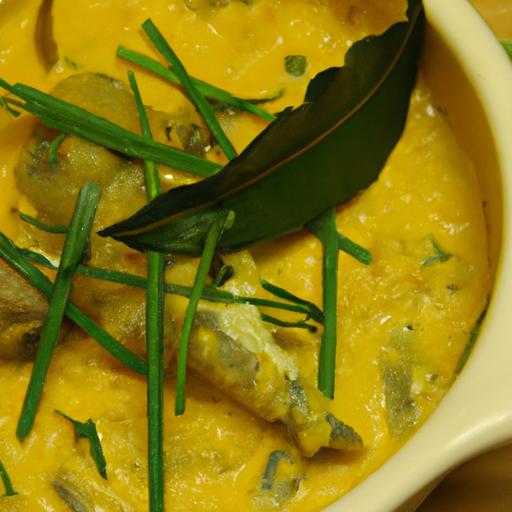

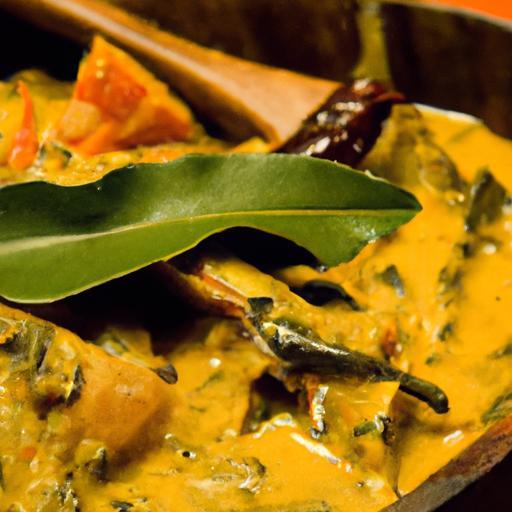
Nestled in teh lush backwaters and spice-laden air of Kerala lies a culinary gem that has long captured the hearts and palates of food lovers-theeyal. This signature burnt coconut curry, with its rich tapestry of smoky undertones and vibrant tang, is more than just a dish; it’s a story simmered in tradition and heritage.
As we peel back the layers of theeyal, we uncover a symphony of flavors born from the meticulous roasting of coconut, the earthy embrace of tamarind, and the subtle dance of spices that define Kerala’s coastal cuisine. Join us as we delve into the origins, ingredients, and cultural meaning of theeyal, unveiling the secrets behind this beloved South Indian treasure.
Theeyal Unveiled: Kerala’s Signature Burnt Coconut Curry is a true party of Kerala’s culinary heritage, blending deep, smoky flavors with a harmonious balance of spices and tamarind’s tang. This dish traces its origins to the lush backwaters and spicy kitchens of Kerala, where coconut is king, and customary methods of roasting and grinding ingredients have been passed down through generations. Growing up in a kerala household, I vividly recall the irresistible aroma of toasted coconut and roasted spices filling the kitchen, signaling that Theeyal was on the stove-an unmistakable sign that a comforting meal was near.
Prep and Cook Time
- Planning: 20 minutes
- Cooking: 40 minutes
- Total Time: 1 hour
Yield
Serves 4 generously
Difficulty Level
Medium
Essential Ingredients that Define Theeyal’s Unique Taste Profile
- 1 cup grated fresh coconut (preferably freshly grated for the best aroma)
- 1/4 cup shallots, peeled and halved
- 4-5 dried red chilies (adjust based on heat preference)
- 1 tbsp coriander seeds
- 1 tsp fenugreek seeds
- 1/2 tsp mustard seeds
- 1/4 tsp turmeric powder
- 1 cup tamarind pulp (soaked and strained)
- 2 tbsp coconut oil
- Salt to taste
- 2 cups mixed vegetables (plantain, eggplant, potatoes or bitter gourd traditionally)
- Water as needed
Mastering the Art of Roasting Coconut for Authentic Theeyal Flavour
- Roast the coconut: In a heavy-bottomed pan, add the grated fresh coconut and roast on medium heat. Stir continuously to ensure even browning and prevent burning. Roast until the coconut turns a rich, dark golden brown, releasing a deep, nutty aroma-this step is crucial for that signature burnt flavor.
- Roast the spices and shallots: In the same pan, dry roast coriander seeds, fenugreek seeds, dried red chilies, mustard seeds, and shallots until they are golden and fragrant. Be careful to avoid burning the fenugreek as it can turn bitter.
- Grind to a paste: Once cooled, combine the roasted coconut and spices in a grinder. Add a little water if necessary and grind into a smooth,thick paste.This paste forms the flavorful base for your Theeyal curry.
Instructions
- Prepare the vegetables: Clean and cut your choice of vegetables into bite-sized pieces. Traditionally, a mix of plantain, eggplant, and potatoes is used, but feel free to add seasonal vegetables.
- sauté the vegetables: Heat 2 tbsp coconut oil in a pan. Add the vegetables and sauté for 5 minutes, stirring occasionally.
- Add turmeric and salt: Sprinkle turmeric powder and salt over the vegetables. Mix well to coat.
- Introduce the spice-coconut paste: Stir in the freshly ground roasted coconut and spice paste. Cook for another 10 minutes on low heat, allowing the flavors to meld.
- Add tamarind pulp and water: Pour in the tamarind pulp and about 1 to 1.5 cups of water depending on your preferred curry consistency. Simmer gently for 15-20 minutes until the vegetables are tender and the gravy thickens.
- Final seasoning: Taste and adjust salt and spice levels. If desired, finish with a drizzle of coconut oil and a sprinkle of fresh curry leaves.
Chef’s Notes: Expert Tips for Perfecting Theeyal at Home Every Time
- Freshness matters: Using freshly grated coconut and freshly roasted spices elevates the authenticity and depth of Theeyal Unveiled: Kerala’s Signature Burnt Coconut Curry.
- Roast with care: The key to a perfect Theeyal is roasting the coconut until deeply golden but not burnt harshly. Stir constantly and lower the flame if needed.
- Vegetable variety: Mix different vegetables to add layers of texture and flavor-green plantains add subtle sweetness, while bitter gourd offers a pleasantly salty bite.
- Mild vs.spicy: Adjust dried chilies to control heat. For a milder curry, reduce chilies or deseed them before roasting.
- Make-ahead tip: The roasted coconut-spice paste can be made in bulk and stored refrigerated for up to 3 days or frozen for longer use.
Serving Suggestions
Theeyal shines best when paired with steaming hot steamed rice, offering a perfect counterbalance to the rustic, smoky flavors. Garnish with a few fresh curry leaves or a sprinkle of chopped coriander for vibrant color. A cooling side of yogurt or pachadi (spiced Kerala vegetable raita) complements the tangy tamarind elements beautifully. Consider serving along with crispy appams or fluffy idiyappams for an authentic Kerala feast experience.
| Nutrient | Per serving |
|---|---|
| Calories | 210 kcal |
| Protein | 4 g |
| Carbohydrates | 25 g |
| Fat | 10 g |

delve deeper into Kerala’s spice-laden cuisine with our Kerala Style Sambar recipe, perfect for complementing your Theeyal meal. For more authentic insights into the health benefits of tamarind, visit the National Libary of Medicine.
Q&A
Q&A: Theeyal Unveiled – Kerala’s Signature Burnt Coconut Curry
Q1: What exactly is Theeyal?
A1: Theeyal is a beloved Kerala dish distinguished by its deep, rich gravy made from roasted, almost burnt coconut combined with an array of spices. This burnt coconut base lends the curry a signature smoky bitterness that perfectly balances the tanginess from tamarind and the earthiness of the tamarind-infused broth. It’s like Kerala’s culinary ode to the magic of caramelization.
Q2: Why is burnt coconut used in Theeyal? Isn’t that unusual?
A2: The burnt coconut is the heart and soul of Theeyal. Unlike most recipes that avoid charring, Theeyal embraces the slightly charred coconut to intensify flavor. The controlled roasting creates a complex, bittersweet note giving the curry a depth and character that’s both comforting and surprising. It’s not just burnt; it’s expertly toasted to achieve that perfect golden-dark hue and aroma.
Q3: What ingredients make Theeyal stand out besides burnt coconut?
A3: Alongside roasted coconut, Theeyal features mustard seeds, dried red chilies, coriander, fenugreek seeds, and curry leaves, all roasted and ground into a fragrant, rustic paste. Tamarind pulp adds a subtle tang, while vegetables like pearl onions, eggplants, or bitter gourd soak up the flavors beautifully, turning the curry into a celebration of textures and tastes.
Q4: How does Theeyal reflect Kerala’s culinary tradition?
A4: Theeyal is a showcase of kerala’s love for bold yet balanced flavors. It exemplifies the state’s typical use of coconut in various forms-fresh, grated, roasted-and the regional penchant for layering spices.The dish also reflects the harmony between sour, bitter, and earthy notes so prevalent in Kerala cuisine, echoing the coastal landscape and spice heritage.
Q5: Can Theeyal be customized or is it a fixed recipe?
A5: While the burnt coconut base remains constant, Theeyal is wonderfully versatile. Different vegetables or even prawns and fish can star in the curry, adapting to seasonal availability or personal preference. Some families add a hint of jaggery to soften the bitterness, while others keep it bold and robust. It’s a culinary canvas that invites creativity within tradition.
Q6: How is Theeyal traditionally served?
A6: Typically, theeyal is served steaming hot alongside steamed rice, a staple in Kerala meals. Its deep,lingering flavors pair beautifully with the simplicity of plain rice,creating a harmonious and comforting plate. Sometimes it accompanies puttu (steamed rice flour cylinders) or appam (rice pancakes), adding a smoky, savory counterpoint.
Q7: What’s the best way to roast coconut for Theeyal at home?
A7: Roast freshly grated coconut in a heavy pan on medium heat,stirring constantly to avoid burning beyond the desired golden-brown. The trick is patience-slow and steady wins the roast. Once the coconut attains a dark, almost burnt color with a nutty aroma, remove it instantly to prevent bitterness from turning into acridity.This roasted coconut is then ground with spices to form the curry base.
Q8: Why should food lovers try Theeyal?
A8: Theeyal is not just a dish; it’s an edible story of Kerala’s culinary heritage. For those craving layers of flavor that evoke both warmth and intrigue, Theeyal offers a taste adventure-smoky, tangy, and soulful. It’s a perfect introduction to the nuanced complexity of South Indian cuisine, wrapped in a humble plate of comfort.
Delve into Theeyal and you’re not just uncovering a recipe; you’re embracing centuries of tradition, flavor alchemy, and the vibrant spirit of Kerala’s kitchens.
The Conclusion
as the rich aroma of roasted coconut and bold spices lingers in the air, Theeyal stands not just as a dish but as a flavorful storyteller of Kerala’s culinary heritage.This burnt coconut curry, with its distinctive tang and depth, invites food lovers to savor the complexities woven into every simmering pot. Whether served alongside steaming rice or as a part of a festive spread, Theeyal offers a delicious glimpse into the vibrant traditions and innovative spirit of Kerala’s kitchen. So, the next time you crave a meal that’s both comforting and captivating, remember Theeyal-a timeless treasure that continues to warm hearts and plates across generations.