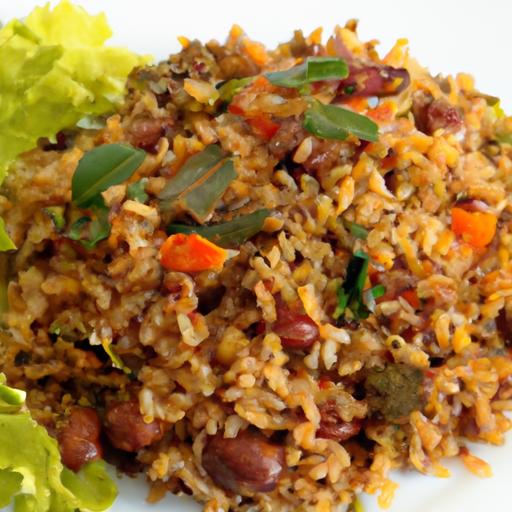

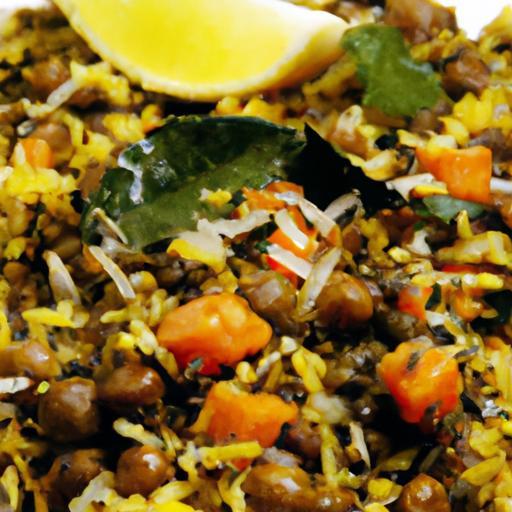
In the vibrant culinary tapestry of South india, few dishes sing as boldly and beautifully as Karnataka’s beloved Bisi Bele Bath.Translating to “hot lentil rice,” this hearty one-pot wonder is more than just a meal-it’s a spiced symphony were tangy tamarind, earthy lentils, fragrant rice, and an orchestra of warm spices come together in perfect harmony.
Rooted in tradition yet endlessly comforting, Bisi Bele Bath is a celebration of Karnataka’s rich flavors and cultural heritage, inviting food lovers to savor the exquisite balance of textures and tastes that dance on the palate with every spoonful. Join us as we delve into the story, ingredients, and magic behind this iconic dish that warms both heart and home.
Karnataka Bisi Bele Bath invites you on a culinary journey steeped in tradition, flavour, and warmth. This classic dish hails from the heart of Karnataka,India,celebrated for its vibrant spices,wholesome rice and lentils blend,and rich cultural heritage. Imagine a comforting bowl where tangy tamarind, aromatic coriander, and fiery red chilies combine with the nutty earthiness of toor dal and rice. As a staple during festivals and family gatherings, it symbolizes hospitality and celebration in South Indian households. The first spoonful is like a warm embrace – hearty, spicy, and satisfying in every bite.
Prep and Cook Time
- Readiness: 20 minutes
- Cooking: 45 minutes
- Total Time: 1 hour 5 minutes
Yield
Serves 4 generous portions
Difficulty Level
Medium – requiring patience to balance spices and proper consistency
Ingredients
- 1 cup rice (Sona Masoori or Basmati)
- ½ cup toor dal (split pigeon peas)
- 3 tablespoons tamarind pulp
- 2 tablespoons bisi Bele Bath powder (store-bought or homemade spice blend)
- 1 teaspoon mustard seeds
- 1 teaspoon cumin seeds
- 2 teaspoons chana dal
- 2 teaspoons urad dal
- 2 dried red chilies
- 1 sprig curry leaves
- 1 medium onion, finely chopped
- 1 medium tomato, chopped
- ¼ teaspoon asafoetida (hing)
- 2 tablespoons ghee or vegetable oil
- salt to taste
- 4 cups water (adjust as needed)
- ½ cup chopped coriander leaves for garnish
Instructions
- Rinse and soak the rice and toor dal together for at least 15 minutes to reduce cooking time.
- Cook the rice and dal in a pressure cooker with 4 cups of water for 3-4 whistles or until soft and fully cooked. Set aside.
- Prepare the tamarind pulp by soaking a lemon-sized ball of tamarind in warm water for 10 minutes, then squeeze and strain to extract juice. set aside.
- Heat ghee or oil in a heavy-bottomed pan over medium flame.Add mustard seeds, cumin seeds, chana dal, urad dal, dried red chilies, and curry leaves. Sauté until mustard seeds pop and dals turn golden (about 2-3 minutes).
- Add finely chopped onions and sauté till translucent and slightly caramelized, around 5 minutes.
- incorporate chopped tomatoes and asafoetida. Cook until tomatoes turn soft, about 4 minutes.
- Pour in tamarind extract and Bisi Bele Bath powder. Mix well and let simmer for 8-10 minutes, allowing the flavors to meld and the mixture to thicken slightly.
- Combine the cooked rice and dal mixture into the pan. Add salt to taste and adjust water quantity for preferred consistency. Stir gently to blend all ingredients evenly.
- Allow the dish to simmer on low heat for another 10-15 minutes, stirring occasionally to avoid sticking. The aroma at this stage will be enchanting.
- Turn off the heat and garnish generously with chopped fresh coriander leaves.
Tips for Success
- make your own bisi Bele Bath powder using freshly ground spices like cinnamon,cloves,nutmeg,and coriander seeds for an authentic touch.
- If you prefer a milder dish, reduce the number of dried red chilies or remove seeds before grinding.
- Use a heavy-bottomed pan or non-stick pot to prevent the mixture from sticking and burning.
- For a creamier texture, gently mash some of the rice and dal during the simmering stage.
- Leftovers taste even better the next day, so consider making a larger batch.
Serving Suggestions
Bisi Bele Bath is traditionally savored hot, served in deep bowls with a dollop of ghee on top to enhance the richness. For an authentic experience, accompany it with crispy mirchi bajji (stuffed chili fritters), crunchy boondis, or spicy potato chips. A side of plain yogurt or raita balances the spice, while a wedge of lime adds a zesty punch. Garnishing with fresh coriander or fried cashews elevates both presentation and texture beautifully.
| Nutrient | Per Serving |
|---|---|
| Calories | 320 kcal |
| Protein | 10 g |
| Carbohydrates | 54 g |
| Fat | 6 g |

For those eager to explore more South Indian delights, check out our detailed guide on the art of South Indian filter coffee. To deepen your understanding of tamarind’s culinary uses, the Encyclopedia Britannica’s tamarind entry offers excellent insights.
Q&A
Q&A: Karnataka Bisi Bele Bath – A spiced Symphony of Rice & Lentils
Q1: What is Bisi Bele Bath, and why is it called a “spiced symphony”?
A1: Bisi Bele Bath, literally meaning “hot lentil rice” in Kannada, is a traditional Karnataka dish that masterfully blends rice, lentils, tamarind, and a unique medley of spices. It’s dubbed a “spiced symphony” because like a perfectly composed orchestra, this dish harmonizes robust flavors-tangy, spicy, earthy, and nutty-into a singular, soul-satisfying melody.
Q2: What are the primary ingredients that make Bisi Bele Bath so distinctive?
A2: At its core, Bisi Bele Bath combines cooked rice and toor dal (pigeon peas), simmered with tamarind pulp for a subtle sourness. The magic lies in the special spice powder-made from roasted chana dal, coriander seeds, dry red chilies, cinnamon, cloves, and nutmeg-that infuses warmth and complexity. Seasonal vegetables like carrots, beans, and peas add texture and freshness, while a final tadka (tempering) of mustard seeds, curry leaves, and asafoetida crowns the dish with aroma and depth.
Q3: How is Bisi Bele Bath traditionally prepared?
A3: Preparation starts with soaking and cooking the rice and toor dal till soft. Simultaneously, tamarind is soaked and extracted for its tangy juice. Vegetables are chopped and sautéed, then everything is combined in a large pot with tamarind water and the signature spice powder. Slow simmering allows flavors to meld,resulting in a thick,porridge-like consistency. The dish is finished with a hot tempering that elevates the fragrance and taste.
Q4: What makes Bisi Bele Bath a unique culinary symbol of Karnataka?
A4: Bisi Bele Bath reverberates with Karnataka’s culinary ethos-simplicity married with depth. It’s a one-pot meal that embodies balance: carbs, protein, fiber, and complex spices harmonizing for nutrition and flavor. Frequently enough served in traditional settings with crispy papad and a dollop of ghee or chutney, it’s an emblem of home-cooked comfort and cultural pride, echoing the region’s love for wholesome, hearty food.
Q5: Can Bisi Bele Bath be adapted for modern diets or varying spice tolerances?
A5: Absolutely! While traditional Bisi Bele Bath has a spicy kick, the heat can be tailored by adjusting the chili quantity in the spice powder. Vegetables can vary seasonally or according to preference. For those seeking lighter fare, it can be made with less oil and a milder tadka. Vegan versions are easy since the dish is naturally plant-based. Each adaptation preserves the spirit of the dish while inviting wider palates to enjoy its rich heritage.
Q6: What are some tips for serving and enjoying Bisi Bele Bath?
A6: bisi Bele Bath is best enjoyed piping hot, ideally as a comforting lunch or dinner. It pairs well with crunchy papads,a spoonful of cooling yogurt or raita,and tangy pickle.Garnishing with fresh coriander and a drizzle of ghee enhances both presentation and flavor. Eating it with your hands, the traditional way, can also deepen the connection to this age-old culinary masterpiece.
This Q&A offers a flavorful glimpse into karnataka’s beloved Bisi Bele Bath-a dish that’s truly a spiced symphony celebrating rice, lentils, and centuries of culinary artistry.
Wrapping Up
In the vibrant tapestry of Indian cuisine, Karnataka Bisi Bele Bath stands out as a harmonious blend of flavors, colors, and traditions. This spiced symphony of rice and lentils not only offers a comforting meal but also tells a story of heritage and culinary artistry passed down through generations. Whether enjoyed in bustling city homes or quite village kitchens, Bisi Bele Bath remains a testament to how simple ingredients, thoughtfully combined, can create a dish both nourishing and unforgettable. So the next time you seek a taste that’s rich in history and bursting with warmth, let Karnataka’s beloved Bisi Bele Bath be your flavorful guide.