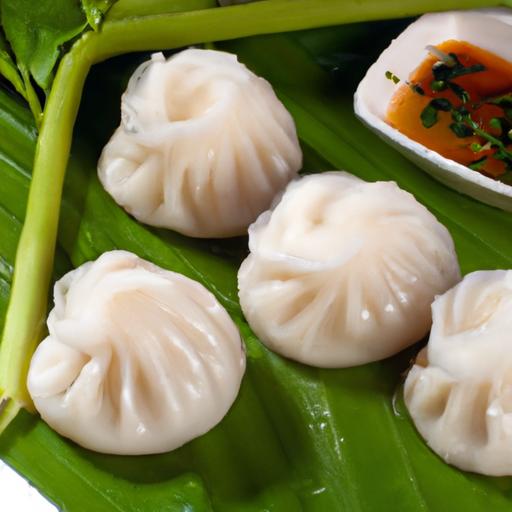

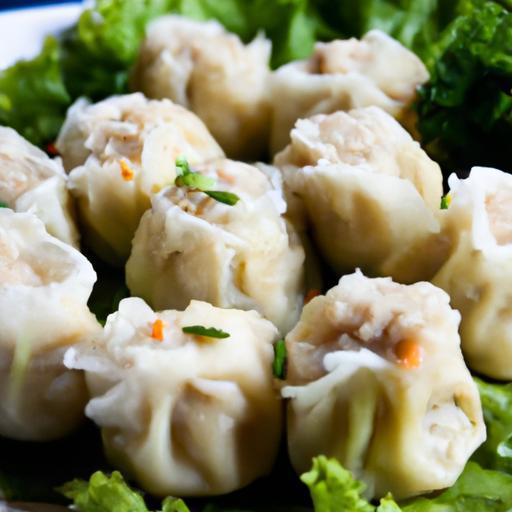
Hidden within teh vibrant streets and bustling markets of Thailand lies a culinary treasure that captivates both the eye and palate: Kanom jeeb. More than just a steamed dumpling, Kanom Jeeb is a delicate symphony of flavors and textures, wrapped in translucent rice flour skin and bursting with savory fillings. In this article, we unwrap the story behind this beloved Thai delicacy, exploring its origins, unique preparation, and the cultural importance that makes Kanom Jeeb a must-try for any adventurous food lover. Join us as we dive into the art and essence of this timeless treat-where tradition meets taste in every bite.
Origin and Cultural Significance of Kanom Jeeb in Thai Cuisine
Kanom Jeeb, a beloved Thai steamed dumpling, carries centuries of culinary heritage wrapped delicately in its translucent wrapper.Rooted deeply in thailand’s southern regions,this dim sum-inspired delight was introduced through trade and cultural exchange with Chinese immigrants,evolving into a distinct dish that epitomizes Thai creativity and flavors. Traditionally enjoyed during festive gatherings and morning markets, Kanom Jeeb symbolizes warmth, community, and the art of sharing bites with loved ones.Every bite offers a harmonious blend of savory fillings and subtly sweet soy notes-a testament to Thailand’s knack for balancing robust flavors and tender textures. As you embark on mastering Kanom Jeeb, you tap into a rich history where craftsmanship and taste meet in perfect harmony.
Mastering the Art of Preparing kanom Jeeb: Ingredients and Techniques
Mastering Kanom Jeeb starts with sourcing fresh, high-quality ingredients that bring out the essence of this steamed dumpling marvel. The classic filling combines finely chopped pork, shiitake mushrooms, water chestnuts for crunch, and aromatics such as garlic and cilantro root, all wrapped in a delicate rice flour dough. Crafting these dumplings demands precision and patience-the dough must be just right: pliable, thin enough to reveal the filling, yet sturdy enough to hold shape through steaming.
Prep and Cook Time
- Preparation: 30 minutes
- Cooking: 15 minutes
- Total time: 45 minutes
Yield
Approximately 30 pieces (serves 4 as an appetizer)
Difficulty Level
Medium – Requires some skill in wrapping and balancing flavors
Ingredients
- For the Dough:
- 1 cup rice flour
- 2 tablespoons tapioca starch
- 3/4 cup boiling water
- 1 tablespoon vegetable oil
- For the Filling:
- 200g ground pork (lean)
- 50g shiitake mushrooms, soaked & finely chopped
- 2 tablespoons water chestnuts, finely diced
- 2 cloves garlic, minced
- 1 small shallot, finely chopped
- 1 tablespoon cilantro root, minced
- 1 teaspoon soy sauce
- 1 teaspoon oyster sauce
- 1/2 teaspoon white pepper
- 1 teaspoon sugar
- 1 teaspoon sesame oil
- For Garnish and Serving:
- Finely chopped spring onions
- chili sauce (Thai chili vinegar or nam jim gai)
- Sesame seeds (optional)
Instructions
- sift together rice flour and tapioca starch. Gradually pour in boiling water while stirring continuously until the mixture forms a smooth dough. Let cool slightly, then knead in vegetable oil until pliable but not sticky.
- Prepare the filling. In a bowl, combine ground pork, minced garlic, shallot, cilantro root, soaked mushrooms, water chestnuts, soy sauce, oyster sauce, white pepper, sugar, and sesame oil. Mix thoroughly until evenly incorporated.
- Divide the dough into 30 small balls. Using a rolling pin, flatten each ball into thin, circular wrappers about 3 inches in diameter. Aim for translucence but handle gently to avoid tearing.
- Place about 1 teaspoon of filling in the center of each wrapper. Gently fold the edges toward the center, pleating to seal the dumpling in a neat pouch, pinching firmly to close.
- Arrange wrapped dumplings on parchment-lined steamer trays, leaving slight gaps to prevent sticking during cooking.
- Steam over boiling water for 10-12 minutes. Keep the lid covered tightly to trap steam and ensure even cooking.Check that the filling is firm and cooked through.
- Carefully remove dumplings with a spatula. Garnish with chopped spring onions and sesame seeds, if using.
- Serve hot with your choice of chili sauce or soy-based dipping sauce.
Exploring Flavor Variations and Perfect Pairings for a Complete Experience
While the classic Kanom Jeeb shines with pork and mushroom, adventurous palates can explore tantalizing variations. Vegetarian options feature tofu and chopped kale or carrots, while seafood lovers embrace shrimp and crab infused with lemongrass and kaffir lime zest.For a sweet twist, dessert-style dumplings stuffed with sweet mung bean paste or coconut custard offer delightful contrast.
Pair these dumplings with a refreshing Thai iced tea or a crisp jasmine rice wine to elevate your tasting journey. Lightly pickled cucumber salad or a bowl of aromatic Tom Yum soup complements Kanom Jeeb’s umami richness perfectly, creating a well-rounded meal.
Where to Find Authentic Kanom Jeeb and Tips for Enjoying Them Like a Local
To immerse yourself in the authentic experience of Kanom Jeeb, visit local Thai markets in Chiang Mai or Bangkok’s Chinatown, where vendors prepare these dumplings fresh daily. Street-side stalls and family-owned dim sum cafés offer the freshest varieties, frequently enough accompanied by homemade dipping sauces bursting with garlic and chilies.
Tips for enjoying like a local: Use your chopsticks to pick up the dumpling gently, savoring the warm, juicy filling in small bites. Don’t hesitate to dip into spicy vinegar or sweet soy, balancing flavors to your liking. Sharing Kanom Jeeb with friends over tea or casual meals embodies the Thai spirit of togetherness and joyful eating.
Chef’s Notes & Tips for Success
- For smooth wrappers, cover dough with a damp cloth while working to prevent drying.
- If wrapper tears, patch with a pinch of extra dough and oil your fingers to smooth edges.
- Adjust filling moisture by draining mushrooms and water chestnuts well to avoid soggy dumplings.
- Make-ahead: Prepare filling up to 2 days in advance; keep refrigerated.Wrappers are best fresh but can be stored wrapped in plastic for a few hours.
- steam dumplings in batches to maintain ideal texture and warmth.
Serving Suggestions
Present Kanom Jeeb on a beautiful banana leaf or a bamboo steamer basket for visual authenticity. Garnish generously with sliced fresh chili, spring onions, and crushed peanuts if desired. Serve alongside a condiment trio: sweet chili sauce,soy dipping sauce,and a light vinegar dip with sliced bird’s eye chilies to awaken the senses. Complement this with a fresh herbal tea or chilled coconut water for a refreshing contrast.
| Nutrient | Per Serving (6 pieces) |
|---|---|
| Calories | 185 kcal |
| Protein | 12g |
| Carbohydrates | 20g |
| Fat | 5g |
Learn more about traditional Thai dumplings and uncover additional authentic recipes to expand your culinary repertoire.
For further inspiration, check out our comprehensive guide to Thai dumplings and become a master of Southeast Asian home cooking.

Q&A
Kanom Jeeb Unwrapped: Discover Thai steamed Dumpling Delight – Q&A
Q1: What is Kanom Jeeb?
A1: Kanom Jeeb is a beloved Thai steamed dumpling, celebrated for its delicate wrapper and savory fillings. Think of it as Thailand’s answer to the classic dim sum, but with its own unique blend of flavors that reflect the country’s rich culinary heritage.Q2: How is Kanom Jeeb different from other steamed dumplings?
A2: unlike its counterparts from neighboring cuisines, Kanom Jeeb often features a thin, translucent rice or wheat flour wrapper enveloping a mix of minced pork, shrimp, water chestnuts, and fragrant herbs. It’s lighter, subtly seasoned, and typically served with a tangy dipping sauce that’s both sweet and spicy.
Q3: What’s the history behind Kanom Jeeb?
A3: Rooted in Chinese culinary traditions brought to Thailand centuries ago, Kanom Jeeb evolved into a distinctly Thai treat by incorporating local ingredients and flavors. Over time, it has become a staple at Thai street food stalls, markets, and festive occasions.
Q4: How is Kanom Jeeb traditionally prepared?
A4: The process begins with mixing finely chopped pork and shrimp with seasonings and aromatic herbs. The mixture is then carefully wrapped in thin dough skins. These parcels are steamed until just tender, marrying the flavors inside perfectly while maintaining a light, chewy exterior.
Q5: What makes Kanom Jeeb a must-try for food adventurers?
A5: Kanom Jeeb delivers a harmonious experience – the savory filling contrasts with the delicate, soft casing, all enhanced by the dipping sauce. It’s a culinary treasure that offers insight into Thai food culture’s balance of taste, texture, and tradition.
Q6: Can you enjoy Kanom Jeeb at home? Any tips?
A6: Absolutely! While making the wrappers from scratch can be a fun challenge,many use pre-made dumpling skins. Key tips include finely chopping the filling for even texture, not overfilling the wrappers, and steaming just enough to keep the dumplings tender. Serve piping hot with a homemade sweet chili sauce for authenticity.
Q7: Are there variations of Kanom Jeeb?
A7: Yes! Some versions swap pork for chicken, add mushrooms for an earthy twist, or include glass noodles for extra chewiness. Regional variations also exist, each adding a unique spin to this versatile dumpling.
Q8: Where can I find Kanom Jeeb outside Thailand?
A8: Many Thai restaurants worldwide feature Kanom Jeeb, especially in cities with vibrant Thai communities. For an authentic experience, look for places that specialize in traditional street foods or offer dim sum-style menus.
Q9: What drinks pair well with Kanom Jeeb?
A9: Light, refreshing beverages complement Kanom Jeeb perfectly. Think jasmine tea to cleanse the palate, or a crisp lager to balance the rich, savory flavors. For an adventurous twist, try a mildly sweet Thai iced tea or a citrusy lemongrass cooler.
Q10: Why should Kanom Jeeb be on every foodie’s radar?
A10: Kanom Jeeb is more than just a dumpling-it’s a flavorful gateway into Thailand’s culinary artistry, showcasing subtlety and depth in every bite. Exploring Kanom Jeeb invites food lovers to celebrate tradition,craftsmanship,and the vibrant flavors that define Thai cuisine.
Concluding Remarks
As we fold the final layer of our flavorful journey through Kanom Jeeb, it’s clear that this humble Thai steamed dumpling is much more than just a snack-it’s a vibrant tapestry of culture, tradition, and culinary artistry. Whether wrapped in delicate rice flour skin or bursting with savory fillings, Kanom Jeeb invites your palate to experience the warm embrace of Thailand’s rich food heritage.So next time you encounter these little parcels of delight, take a moment to savor not just their taste, but the stories and craftsmanship they carry within each bite. In the world of Thai cuisine, Kanom Jeeb truly stands unwrapped and proud-a delicious reminder that sometimes, the simplest dishes hold the greatest treasures.