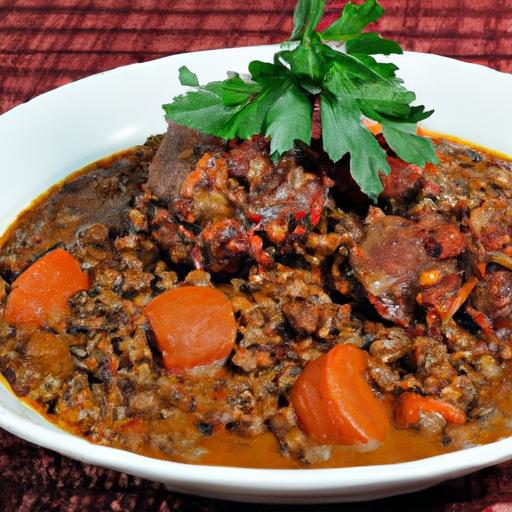

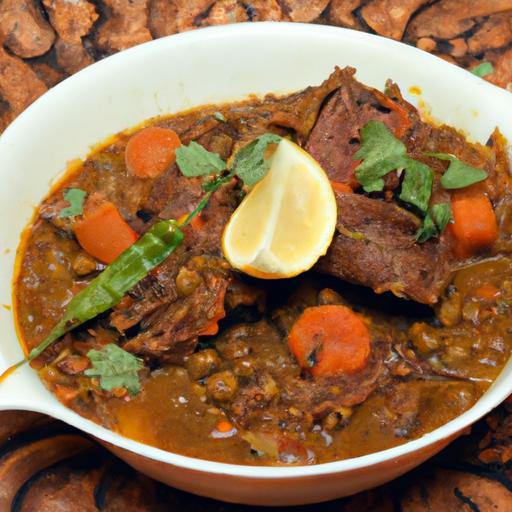
In the bustling kitchens of Hyderabad, where culinary traditions weave seamlessly with history, there exists a dish that embodies warmth, richness, and heritage-Hyderabadi Mutton Dalcha. This sumptuous stew, a harmonious blend of tender mutton and hearty lentils, is more than just a meal; it’s a party of flavors that have been perfected over generations.
With its inviting aroma and complex layers of spice, Mutton Dalcha offers a comforting embrace, telling a tasty story of this vibrant city’s love for food. Join us as we delve into the origins, ingredients, and cultural importance of this iconic lentil and meat stew, uncovering why it remains a beloved staple on Hyderabadi tables and beyond.
Origins and Cultural significance of Hyderabadi Mutton Dalcha
Hyderabadi Mutton Dalcha is much more than a hearty stew; it is a culinary emblem of the regal city of Hyderabad. Rooted deeply in the rich tapestry of Mughal and Deccan influences, this Hyderabadi Mutton Dalcha blends robust flavors of tender mutton with wholesome lentils and tangy tamarind, creating a dish that has graced royal tables and humble homes alike. Traditionally prepared during festive occasions and family gatherings,it symbolizes warmth,community,and celebration.The melding of spices and slow-cooked richness reflects Hyderabad’s diverse heritage, where Persian, Turkish, and local Andhra culinary techniques converge.
Key Ingredients That Define the Flavor profile
The magic of Hyderabadi Mutton Dalcha lies in its distinct combination of ingredients that build complex layers of flavor. At the heart of this dish is mutton-preferably bone-in cuts for enhanced depth-paired with chana dal and toor dal to add a creamy texture. Tamarind pulp introduces a subtle tang that balances the earthy richness of the meat and lentils. Aromatic whole spices like cinnamon, cloves, and bay leaves elevate the stew’s warmth, while the judicious use of green chilies and ginger-garlic paste imparts a gentle heat and pungency. Fresh curry leaves and coriander leaves brighten the final presentation.
Prep and Cook Time
- preparation Time: 25 minutes
- Cooking Time: 2 to 2.5 hours (slow simmering preferred)
Yield
Serves 6 generous portions
Difficulty Level
Medium – requires slow cooking and careful layering of spices but is approachable with patience
Ingredients
- 500g mutton pieces, bone-in, trimmed
- 1/2 cup chana dal (split chickpeas), soaked for 30 minutes
- 1/4 cup toor dal (split pigeon peas), soaked for 30 minutes
- 2 medium onions, finely sliced
- 2 medium tomatoes, chopped
- 2 tablespoons tamarind pulp, soaked in warm water and strained
- 1 tablespoon ginger-garlic paste
- 3-4 green chilies, slit
- 1 teaspoon turmeric powder
- 1 tablespoon red chili powder
- 1 teaspoon cumin seeds
- 2 cinnamon sticks
- 4 cloves
- 2 bay leaves
- 10-12 fresh curry leaves
- Salt to taste
- 4 tablespoons oil (preferably mustard or vegetable oil)
- Fresh coriander leaves for garnish
- 3 cups water (adjust as needed)
Step-by-Step Guide to Achieving the Perfect Slow-Cooked Texture
- Prepare the lentils: Rinse and soak both chana dal and toor dal for at least 30 minutes. This ensures faster cooking and a creamier consistency.
- Brown the mutton: Heat oil in a heavy-bottomed pot. Add cinnamon sticks,cloves,bay leaves,and cumin seeds. Once fragrant,add sliced onions and sauté until golden brown,about 8-10 minutes.
- Add ginger-garlic paste and green chilies; cook until raw aroma disappears, roughly 2 minutes.
- Introduce spices: Stir in turmeric powder, red chili powder, and salt, followed by chopped tomatoes. Cook the mixture until oil starts separating and tomatoes are mushy, approximately 6-8 minutes.
- add the mutton pieces: Mix well,allowing the meat to sear on all sides,locking in flavor. Sauté for 7-10 minutes until the meat is lightly browned.
- Combine lentils: Drain soaked lentils and add them to the pot. Pour in tamarind pulp and 3 cups of water. Stir everything together thoroughly.
- Bring to a boil, then reduce the heat to a gentle simmer. Cover and cook for 1.5 to 2 hours, stirring occasionally, until the mutton is tender and the lentils have disintegrated to create a thick stew. Add water as required to maintain stew consistency.
- About 10 minutes before finishing, add fresh curry leaves to infuse a subtle herbal aroma.
- Check seasoning and adjust salt or tamarind to taste.
- Final touch: Garnish with chopped fresh coriander leaves and serve hot.
Expert Tips for Serving and Pairing Hyderabadi Mutton Dalcha
This sumptuous stew truly shines when paired with classic Hyderabadi accompaniments. Traditionally, Hyderabadi Mutton Dalcha is enjoyed alongside fragrant basmati rice or Hyderabadi Biryani which complements its tangy and spicy notes flawlessly. For a rustic touch,serve with warm,crisp roti or naan. A dollop of cooling plain yogurt or raita alongside helps balance the spice levels, while sliced onions with a sprinkle of chaat masala enhance the dining experience. Garnishing with fresh coriander not only adds vibrant color but also a refreshing aroma.
To elevate the presentation, consider a drizzle of melted ghee for richness or a few fried curry leaves crisps for textural contrast. This dish is a festive delight that feels both regal and homely on the plate.
Chef’s Notes
- For a quicker variation, use a pressure cooker to reduce cooking time to 45 minutes, but slow cooking enriches the flavors best.
- Substitute tamarind pulp with fresh lemon juice for a brighter but different tang.
- For a richer stew, add a handful of cooked chickpeas or topped with fried onions.
- Always soak lentils thoroughly to prevent uneven cooking and ensure a smooth texture.
- Keep the consistency soupy; it thickens as it cools and reheats beautifully, making it ideal for leftovers.
| Nutrient | Per Serving |
|---|---|
| Calories | 350 kcal |
| Protein | 28 g |
| Carbohydrates | 18 g |
| Fat | 15 g |

Explore more conventional Indian stews and rich flavors in our guide to Andhra prawn curry, a perfect companion to your slow-cooked delights.
Q&A
Q&A: Exploring Hyderabadi Mutton Dalcha – A Rich Lentil and meat Stew Delight
Q1: What is Hyderabadi Mutton Dalcha?
A1: Hyderabadi Mutton Dalcha is a luscious stew that beautifully marries tender mutton chunks with hearty lentils and a blend of aromatic spices. Originating from the royal kitchens of Hyderabad, this dish is comfort food that tells a story of rich culinary heritage and timeless flavors.
Q2: How does Dalcha differ from other Indian lentil stews?
A2: Unlike everyday dal preparations, Dalcha incorporates mutton for a robust, meaty depth and often includes tamarind or souring agents which give it a subtle tanginess.Its thick, gravy-like consistency and complex spice palette set it apart, making it a celebratory dish rather than an everyday staple.
Q3: What lentils are typically used in Hyderabadi Mutton Dalcha?
A3: The traditional recipe calls for chana dal (split chickpeas) and sometimes toor dal (split pigeon peas). These lentils break down during cooking to create a creamy base that perfectly complements the rich mutton.
Q4: Which spices bring the signature flavor to Dalcha?
A4: Key spices include green cardamom, cinnamon, cloves, bay leaves, and black pepper, which contribute warm, fragrant undertones. The use of ginger, garlic, and fresh green chilies adds layers of heat and zest, balancing the richness of the meat.
Q5: Is the sour note in Dalcha important?
A5: Absolutely. The tanginess-often introduced through tamarind pulp-is crucial as it cuts through the richness, brightening the flavors and giving Dalcha its distinctive, mouth-watering character.
Q6: Can Dalcha be prepared without mutton?
A6: While mutton is traditional, Dalcha can be adapted into vegetarian versions using hearty vegetables like eggplant or pumpkin, alongside lentils. Though, the meaty depth in the classic Dalcha is hard to replicate fully without mutton.
Q7: What is the best way to enjoy Hyderabadi Mutton Dalcha?
A7: Dalcha is best savored hot, paired with fragrant plain rice or traditional Hyderabadi biryani. the rice soaks up the flavorful gravy,making every bite a blissful experience.
Q8: how has Dalcha influenced Hyderabad’s food culture?
A8: Dalcha embodies the city’s nawabi legacy, showcasing the fusion of Mughlai and Telugu culinary traditions. It remains a beloved dish at festive occasions, weddings, and family gatherings, symbolizing warmth and celebration.
Q9: Any tips for making the perfect Hyderabadi Mutton Dalcha at home?
A9: Patience is key-slow cooking allows the mutton to tenderize and the lentils to meld into a velvety gravy. Toast your spices gently to awaken thier aromas, and don’t skip the tamarind-it’s the soul of Dalcha’s flavor profile.
Q10: Where can one experience the authentic taste of Hyderabadi Mutton Dalcha?
A10: To truly taste the regal charm of Dalcha, authentic Hyderabadi eateries and traditional homes in Hyderabad are the best destinations.But with the right recipe and fresh ingredients, you can bring this royal delight right into your kitchen.
Closing Remarks
in every simmering pot of Hyderabadi Mutton Dalcha, centuries of culinary tradition come alive-where tender mutton dances gracefully with hearty lentils, all wrapped in a symphony of spices that speak of hyderabad’s rich heritage. this stew is more than just a meal; it’s a flavorful narrative that bridges royal kitchens and humble homes alike. Whether you’re a seasoned food lover or a curious cook, embracing Dalcha offers a warm invitation to explore a dish that’s both comforting and complex-a true testament to the artistry of Hyderabadi cuisine. So, next time you crave something soul-satisfying, let this rich lentil and meat delight transport your taste buds straight to the heart of india’s historic south.