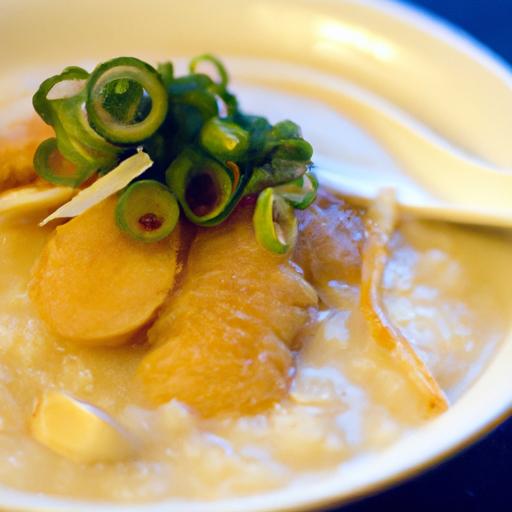

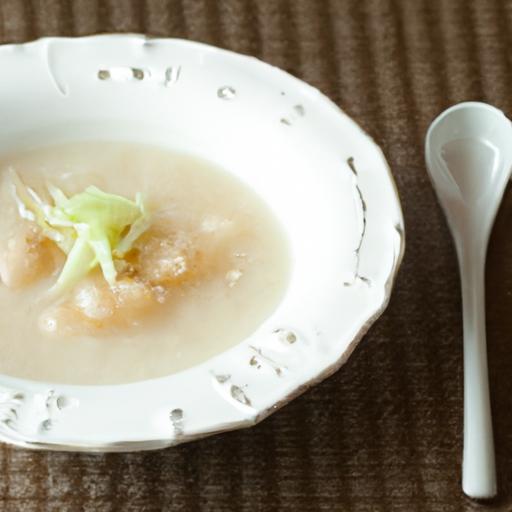
In the quiet moments of dawn, when the world is still stirring awake, a simmering pot of congee fills the kitchen with comforting aromas that promise warmth and nourishment. Soul-Warming Congee: Ginger & Scallions in Every Spoonful invites you too experience a timeless dish where simplicity meets soulful flavor.
This humble rice porridge, enriched with the zing of fresh ginger and the bright, fragrant bite of scallions, transcends mere sustenance-it becomes a soothing ritual that soothes the body and calms the spirit. Join us as we explore the art of crafting this beloved comfort food, uncovering how each spoonful carries centuries of culinary wisdom and a heartwarming embrace.
Soul-Warming Congee: Ginger & Scallions in Every Spoonful invites you to experience not just a meal, but a comforting embrace steeped in tradition. This ancient porridge, cherished across East Asia, has long been hailed for its delicate texture and restorative qualities. The vibrant marriage of fresh ginger and aromatic scallions elevates the humble rice porridge into a healing harmony that soothes the soul and invigorates the senses.
prep and Cook time
- Preparation: 15 minutes
- Cooking: 1 hour
- Total Time: 1 hour 15 minutes
Yield
Serves 4 generously
Difficulty Level
Easy – perfect for beginners and seasoned cooks alike
Ingredients
- 1 cup jasmine rice, rinsed thoroughly
- 8 cups water or low-sodium chicken broth
- 2-inch piece fresh ginger, peeled and julienned
- 3 scallions, thinly sliced (white and green parts separated)
- 1 tsp salt, adjust to taste
- 1 tbsp sesame oil
- White pepper, to taste
- Optional toppings: shredded chicken, century egg slices, soy sauce, fried shallots
Instructions
- Soak the Rice: Rinse the jasmine rice under cold water until the water runs clear to remove excess starch. Soak the rice for 30 minutes for a smoother texture.
- Prepare Aromatics: Peel and julienne the fresh ginger. Separate scallions into white and green parts,slicing each thinly.
- Start Simmering: In a large pot,combine the soaked rice and 8 cups of water or broth.Bring to a boil over high heat,stirring occasionally to prevent rice from sticking.
- Lower the Heat: Reduce to a gentle simmer. Stir every 10 minutes, allowing rice grains to break down slowly. This gentle cooking is key to achieving the creamy,velvety texture of congee.
- Add Ginger and Scallion Whites: After 30 minutes, stir in the julienned ginger and the white parts of the scallions. Continue simmering for another 30 minutes until the congee thickens.
- Season & Finish: Stir in the salt, white pepper, and sesame oil. taste and adjust seasoning as needed. Remove from heat when congee reaches your desired creamy consistency.
- Garnish and Serve: Ladle into bowls, topping each with fresh scallion greens and your choice of optional garnishes like shredded chicken or fried shallots for an added textural contrast.
Tips for Success
- Texture Control: For a thinner congee, add extra hot water or broth during cooking. For thicker, cook uncovered stirring more frequently.
- Ginger Freshness: Use freshly peeled ginger for the brightest zing. Avoid pre-minced ginger found in jars to keep the flavor clean.
- Make Ahead: Prepare the base congee in advance and gently reheat on low heat, adding water to loosen consistency before serving.
- Substitutions: Substitute jasmine rice with short-grain sushi rice or brown rice, but note that cooking times will vary.
- flavor Layers: Add a dash of soy sauce or a sprinkle of toasted sesame seeds to deepen the flavor profile if desired.
Serving Suggestions
Enhance the soul-warming experience by pairing your bowl of congee with simple, textural contrasts. A drizzle of chili oil adds warmth; crisp fried shallots bring savory crunch, while a side of pickled vegetables introduces brightness. For protein,shredded chicken or silky poached egg are classic companions. Present the bowl with a garnish of finely sliced scallion greens and freshly grated ginger atop to highlight the dish’s fresh aromatics. Serve alongside a hot cup of jasmine tea for a meal that comforts from the first sip to the last spoonful.
| Nutrient | per Serving |
|---|---|
| Calories | 200 kcal |
| Protein | 4 g |
| Carbohydrates | 45 g |
| Fat | 3 g |

Looking to explore more on the comforting powers of traditional rice dishes? Check out our collection of traditional rice recipes. For additional insights into the medicinal properties of ginger and scallions, visit this detailed overview from NCBI.
Q&A
Q&A: Soul-Warming Congee – Ginger & Scallions in Every Spoonful
Q1: What makes congee such a comforting dish?
A1: Congee, often called rice porridge, is the culinary equivalent of a warm hug. Its silky, slow-cooked texture soothes the body and soul alike. Traditionally enjoyed across many Asian cultures, its gentle on the stomach and endlessly customizable – making it a timeless comfort food that feels like home in every bowl.
Q2: Why are ginger and scallions the stars of this congee recipe?
A2: Ginger and scallions aren’t just flavor boosters – they’re tiny powerhouses of warmth and vitality. Ginger’s zing cuts through the creamy softness of the rice,adding a spicy warmth that awakens the senses. Scallions bring a fresh, bright note that balances the dish with a subtle crunch and a whisper of sweetness. Together, they transform each spoonful into a dance of comforting heat and lively freshness.
Q3: How does ginger contribute to the health benefits of congee?
A3: Ginger is renowned for its natural anti-inflammatory properties and digestive benefits. In the context of congee, it not only adds a deliciously warming spice but also helps soothe upset stomachs and strengthen immunity – perfect for chilly days or whenever you need a little extra nourishment.
Q4: Can scallions be substituted or should they remain a core ingredient?
A4: While scallions bring a distinct aroma and crispness that elevate this congee, they can be swapped with other mild alliums like chives or leeks if needed. However, the signature interplay between ginger’s heat and scallions’ fresh zest is what truly gives this congee its soul-warming magic.
Q5: What are some creative ways to enjoy this ginger and scallion congee?
A5: Beyond the classic bowl, try topping your congee with a poached egg for silkier richness, or scatter roasted sesame seeds and a drizzle of soy sauce for an umami kick. For extra heartiness, add shredded chicken, tender mushrooms, or a handful of greens. Each variation builds on the ginger and scallion foundation, letting you tailor warmth to your craving.
Q6: How long does it take to cook soul-warming ginger and scallion congee?
A6: True to its nurturing nature, congee is a slow broth-to-rice embrace requiring patience – typically about 1 to 1.5 hours on a gentle simmer. this slow cook allows the rice to melt into a creamy canvas, while ginger and scallions infuse with depth and brightness through every simmered hour.
Q7: What’s the best way to serve this congee for maximum comfort?
A7: Ladle it steaming into your favourite bowl, garnish with freshly chopped scallions and thin slivers of ginger, and perhaps a crack of white pepper. Sip slowly, savoring how each spoonful wraps you in warmth – a simple pleasure that’s as nourishing as it is soul-soothing.
With every bite of this ginger and scallion congee, you embrace a tradition that warms more than just your tummy. It’s a bowlful of care, flavor, and heartfelt comfort, ready to cradle you through any season.
To Wrap It Up
As the steam rises from a humble bowl of ginger and scallion congee, it carries more than just warmth-it carries tradition, comfort, and a quiet invitation to slow down and savor the moment. This humble dish,with its soothing textures and vibrant flavors,reminds us that nourishment is as much about the soul as it is about the body. Whether enjoyed on a chilly morning or as a gentle remedy after a long day, each spoonful offers a taste of timeless care, wrapped in the subtle zing of ginger and the fresh brightness of scallions.
So next time you seek solace in your kitchen, let this soul-warming congee be your gentle embrace, a simple yet profound reminder that sometimes, the most nourishing meals come from the simplest origins.