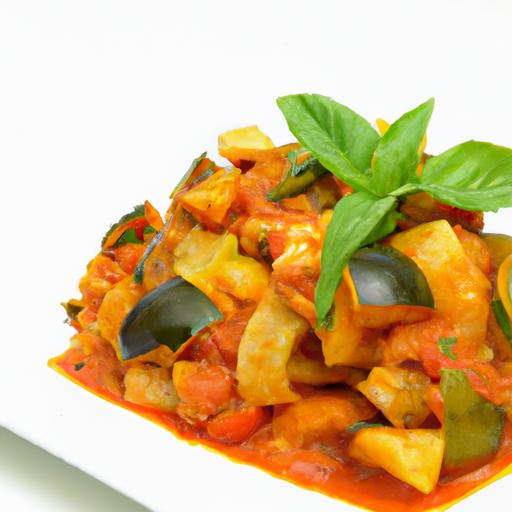

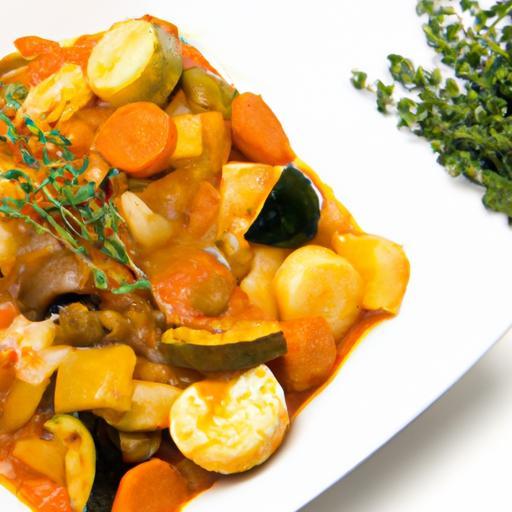
Step into the sun-drenched kitchens of Southern Italy,where vibrant vegetables and fragrant herbs come together in a hearty medley known as Ciambotta-Italy’s rustic answer to the classic ratatouille. This beloved dish, ofen celebrated but less explored beyond Italian borders, invites food lovers on a flavorful journey through rolling hills and coastal breezes, capturing the essence of Italian countryside cooking. In this article, we’ll uncover the origins, regional twists, and simple yet soulful techniques behind Ciambotta, revealing why this colorful vegetable stew deserves a cherished spot on your table all year round. Prepare to savor a taste of Italy’s warm hospitality, one spoonful at a time.
Discover Italian-Style Ratatouille (Ciambotta) offers a vibrant festivity of southern Italy’s rustic charm and produce-rich bounty. This hearty vegetable stew, beloved across regions like Campania, Calabria, and Basilicata, invites you on a journey where every bite reveals the sun-soaked flavors of ripe tomatoes, tender zucchini, fragrant herbs, and olive oil. Rooted in humble farm-to-table traditions, ciambotta is more than a dish-it’s a mosaic of history and culture simmered into a single pot.
Prep and Cook Time
Readiness: 20 minutes | cooking: 45 minutes | Total Time: 1 hour 5 minutes
Yield
Serves 4 generous portions
Difficulty Level
Medium – Perfect for home cooks eager to elevate their vegetable repertoire
Key Ingredients That Bring Authentic Italian Flavors to Life
- 2 medium zucchini, sliced into 1/2-inch rounds
- 1 large eggplant, cubed (about 2 cups)
- 4 ripe tomatoes, peeled and chopped, or 1 can (14 oz) of whole peeled tomatoes
- 1 red bell pepper, sliced into strips
- 1 medium onion, finely chopped
- 3 garlic cloves, minced
- 1/4 cup extra virgin olive oil
- 1 tablespoon fresh basil, chopped
- 1 teaspoon fresh oregano, chopped
- Salt and freshly ground black pepper, to taste
- Red pepper flakes (optional, for mild heat)
- 1/2 cup water or vegetable broth
- 1 tablespoon red wine vinegar (optional for a subtle tang)
Step-by-Step Guide to Crafting Your Perfect Ciambotta
- Prepare the vegetables: Wash and chop zucchini, eggplant, tomatoes, bell pepper, onion, and garlic as outlined. This ensures a balanced texture in the stew.
- Heat olive oil: In a large, heavy-bottomed skillet or Dutch oven, warm the extra virgin olive oil over medium heat until shimmering.
- Sauté onions and garlic: Add the chopped onion and garlic and cook until softened and translucent,about 4-5 minutes,stirring occasionally.
- Cook the eggplant and bell pepper: Add eggplant cubes and bell pepper strips. Sauté until the eggplant turns golden and tender, roughly 8-10 minutes. Stir frequently enough to prevent sticking and burning.
- Add zucchini: Toss in the zucchini slices and continue to cook for an additional 5 minutes, allowing them to soften while maintaining a bit of bite.
- Introduce tomatoes and seasoning: Stir in chopped tomatoes (or canned), fresh herbs, salt, pepper, and red pepper flakes if using. Mix well, balancing the flavors with vinegar if desired.
- Simmer: Pour in 1/2 cup of water or vegetable broth to loosen the stew, cover partially, and allow to simmer gently for 20-25 minutes. Stir occasionally,letting all the ingredients meld into a harmonious medley.
- Adjust seasoning: Taste before serving and adjust salt, pepper, or herbs as needed.The stew should be rich and fragrant with a subtle acidity from the tomatoes.
Chef’s Notes and Tips for Success
- vegetable variations: Feel free to include potatoes, carrots, or even green beans for a unique twist reflecting your regional taste.
- Eggplant prep: To avoid any bitterness and excessive oil absorption, salt the diced eggplant and let it sit for 20 minutes before rinsing and patting dry.
- Make-ahead advantage: Ciambotta tastes even better the next day once the flavors fully develop. store in an airtight container in the refrigerator for up to 3 days.
- Vegan and Gluten-Free: Naturally suitable for vegan and gluten-free diets, making it a versatile staple.
- Cooking vessel: Use a wide, heavy pan to allow even cooking and greater evaporation for flavor concentration.
Serving Suggestions
This Italian-style ratatouille shines when served warm or at room temperature. Garnish with freshly chopped basil and a drizzle of high-quality extra virgin olive oil for a glossy finish. Traditional accompaniments include crusty Italian bread to soak up the luscious sauce, or polenta for a comforting pairing. For a heartier meal, serve alongside grilled Italian sausages or a crisp green salad dressed simply with lemon and olive oil.
Pairing Ciambotta with Wine and Traditional Italian Sides
A medium-bodied red like Chianti or a Fruili-style Refosco expertly complements the earthy, herbaceous notes of the ciambotta without overpowering its delicate balance. For white wine lovers, a crisp Vermentino or a fragrant Pinot Grigio works beautifully. Consider serving alongside classic Italian sides such as frittata alle erbe, marinated olives, or a simple arugula and fennel salad tossed in lemon vinaigrette to complete your authentic experience.
| Nutrient | Amount per serving |
|---|---|
| Calories | 180 kcal |
| protein | 4 g |
| Carbohydrates | 20 g |
| Fat | 10 g |

Q&A
Q&A: Discover Italian-Style Ratatouille (Ciambotta): A Flavorful Journey
Q1: What is Ciambotta, and how does it differ from the more widely known French ratatouille?
A: Ciambotta is a rustic Italian vegetable stew hailing mainly from Southern Italy, especially from regions like campania, Calabria, and Basilicata. While it shares similarities with French ratatouille-both celebrate the bounty of summer vegetables like eggplant, zucchini, bell peppers, and tomatoes-Ciambotta often boasts a heartier texture and a slightly earthier flavor profile. Unlike its French cousin, it sometimes includes regional surprises like potatoes or even local herbs, making it a unique taste of Italian countryside tradition.
Q2: what are the key ingredients that bring Ciambotta to life?
A: At its core, Ciambotta is a celebration of vibrant vegetables: eggplant, zucchini, bell peppers, tomatoes, onions, and garlic. Olive oil from the sun-drenched hills of Italy bathes these ingredients, infusing them with richness. Fresh herbs such as basil, oregano, and parsley add aromatic brightness. Sometimes potatoes or green beans sneak into the pot, lending extra heartiness. This medley simmers slowly, allowing each flavor to meld into a comforting, harmonious dish.
Q3: How is Ciambotta traditionally prepared?
A: Preparation is a labor of love.Vegetables are typically chopped into rustic chunks and sautéed separately or in stages to preserve their textures and flavors. Starting with onions and garlic, the cook layers in the eggplant, peppers, and zucchini, letting each soften in olive oil before adding the sweet, ripe tomatoes. The stew then simmers gently-sometimes for an hour or more-to develop deep, layered notes. This slow cooking is key, turning simple ingredients into something truly soulful.
Q4: Can Ciambotta be enjoyed in ways beyond a stew?
A: Absolutely! Ciambotta’s versatility shines in many forms. It can be served hot as a hearty main or side dish, dolloped over polenta or crusty bread.Leftovers are often transformed into flavorful pasta sauces or filling for savory pies. Some enjoy it chilled or at room temperature, allowing the flavors to intensify overnight. In Italian homes, Ciambotta is not just food; it’s a communal experience resurrected in countless variations.
Q5: What makes Ciambotta a perfect dish for the summer months?
A: Ciambotta is a tribute to summer’s bounty-a colorful mosaic of fresh, seasonal vegetables at their peak. Its light yet satisfying nature suits warm evenings, offering nourishment without heaviness. the slow simmer releases the natural sweetness of the produce, capturing the essence of sun-ripened flavors. eating Ciambotta feels like a direct connection to the land, a spoonful of the Mediterranean summer in every bite.
Q6: how can one bring the authentic taste of Ciambotta into their own kitchen?
A: Start with quality ingredients-ripe tomatoes,fresh herbs,and the best olive oil you can find. Embrace the slow, mindful cooking process; patience is flavor’s best friend in this dish. Don’t be afraid to personalize with veggies you love or have on hand. And remember,Ciambotta is forgiving-a celebration of simplicity and community. Gather friends or family, share stories, and savor the soulful flavors of Italy’s humble yet enchanting vegetable stew.
Embark on this flavorful journey and let Ciambotta’s rustic charm transport you to Mediterranean hillsides where every bite tells a story of tradition, seasonality, and heart.Buon appetito!
Insights and Conclusions
As our flavorful journey through the vibrant world of Italian-style ratatouille-Ciambotta-comes to a close, we’re reminded that this humble, rustic stew is more than just a medley of fresh vegetables. It’s a celebration of Italy’s rich culinary heritage, a dish that tells stories of sun-soaked fields, time-honored traditions, and the simple joy of sharing a meal. Whether your a seasoned home cook or a curious food adventurer, embracing Ciambotta invites you to savor the essence of Mediterranean living-where patience, quality ingredients, and a touch of love transform everyday cooking into an artful experience. So next time you crave something hearty yet wholesome, let Ciambotta inspire your kitchen, and take your taste buds on a delicious trip straight to the heart of Italy.