
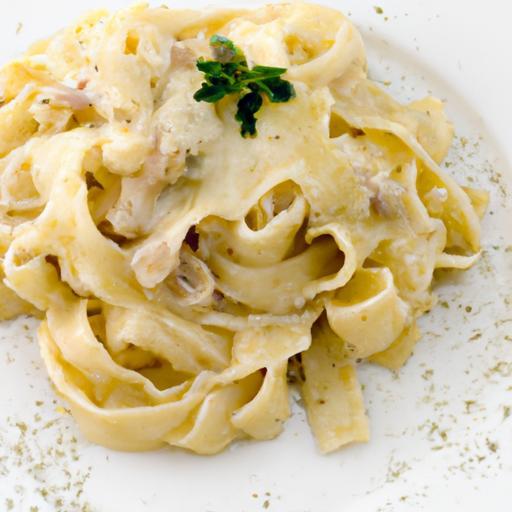
There’s a certain magic in the simplicity of classic dishes-flavors that endure, techniques that transcend trends, and comfort that speaks to the heart. Among these culinary treasures, Fettuccine Alfredo holds a special place, renowned for its luscious, creamy texture and rich, indulgent taste. But what if you could capture that iconic flavor without relying on cream? Welcome to the world of the cream-free Fettuccine Alfredo, where timeless tradition meets light, wholesome ingredients. In this article, we’ll explore the origins of this beloved dish and reveal a classic recipe that delivers all the silky satisfaction with a fresh, healthier twist-proving that sometimes, less really is more.
Timeless Fettuccine Alfredo: Cream-Free Classic Recipe
Timeless Fettuccine Alfredo: Cream-Free Classic Recipe is a festivity of simplicity and pure Italian tradition. Originating in early 20th-century Rome, this iconic dish was born from a humble combination of fresh pasta, butter, and cheese. Unlike the heavy cream variations that followed, this cream-free sauce relies on the magic of emulsification, where perfectly cooked pasta water, butter, and cheese unite to create a velvety coating. The result is a luxurious experience that speaks to the elegance of restraint and classical technique.
Prep and Cook Time
- Preparation: 10 minutes
- Cooking: 15 minutes
- Total Time: 25 minutes
Yield
Serves 4 generous portions
Difficulty Level
Easy to Medium – perfect for passionate home cooks wanting to master authentic Italian flavors
Ingredients
- 12 oz fettuccine pasta, preferably fresh or high-quality dried
- 1 cup freshly grated Parmigiano-Reggiano (not pre-grated)
- 6 tbsp unsalted European-style butter, softened
- 1 tsp freshly cracked white pepper
- 1/2 tsp fine sea salt (adjust to taste)
- 1 cup reserved pasta cooking water
Instructions
- Bring a large pot of salted water to a rolling boil. Add fettuccine and cook until al dente,about 8-10 minutes,stirring occasionally to prevent sticking.
- Reserve at least 1 cup of the starchy pasta water before draining. Set aside.
- Return the drained pasta instantly to the pot over very low heat.
- Add the softened butter to the pasta, stirring gently to melt and coat each strand.
- Slowly add the grated Parmigiano-Reggiano while tossing continuously to evenly distribute the cheese without clumping.
- Gradually pour in the reserved pasta water in small increments, whisking or tossing vigorously to create a smooth, creamy emulsion. This step is crucial: the starch in the water acts as the binding agent, giving the sauce its signature silkiness.
- Season with cracked white pepper and sea salt to taste, continuing to toss until the sauce clings perfectly and the texture feels luscious but not heavy.
- Serve immediately while the sauce is warm and glossy, garnishing with extra cheese or freshly chopped flat-leaf parsley if desired.
Chef’s notes: Mastering the Art of Cream-Free Sauce Emulsification
- Temperature control matters: Keep the pasta warm but not on high heat to prevent the cheese from graininess or sauce separation.
- Cheese selection is key: Choose authentic Parmigiano-Reggiano for its pungent, nutty character and excellent melting properties.
- Butter quality enhances flavor: Use European-style butter with higher fat content for a richer mouthfeel.
- Incremental pasta water: Pour in small amounts,whisking steadily,to coax a creamy emulsion without adding cream.
- Make-ahead tip: Prepare pasta separately and rewarm gently with a splash of hot pasta water, adding butter and cheese fresh before serving.
Serving Suggestions
Present this timeless fettuccine on warm plates to showcase its creamy coating. For a pop of color and subtle contrast, sprinkle finely chopped fresh flat-leaf parsley or basil leaves. A wedge of lemon on the side adds brightness if desired. Pair with a crisp Sauvignon blanc or a delicate Italian white wine to balance the buttery richness. Serve alongside a light mixed greens salad and garlic-rubbed toasted bread for the perfect meal.
| Nutrient | Per Serving |
|---|---|
| Calories | 550 kcal |
| protein | 20 g |
| Carbohydrates | 65 g |
| Fat | 22 g |

For a deeper dive into Italian pasta traditions, don’t miss our related article: Perfect Homemade Pasta Techniques. To explore the history of Parmigiano-Reggiano cheese, visit official Parmigiano-Reggiano Consortium.
Q&A
Q&A: Timeless Fettuccine Alfredo – The Cream-Free Classic Recipe
Q1: What makes the Timeless Fettuccine Alfredo different from the usual creamy versions?
A1: Unlike the typical Alfredo drenched in heavy cream, this timeless classic stays true to its Italian roots by relying on a luxurious emulsion of butter and Parmesan cheese to create its signature silky sauce. It’s a celebration of simplicity-no cream needed-just pure, rich flavor in every twirl.
Q2: How does one achieve that creamy texture without using cream?
A2: The magic happens when hot, starchy pasta water combines with butter and finely grated Parmesan. as you toss everything together vigorously,the pasta water’s starch binds with the butter and cheese,forming a smooth,velvety coating that clings perfectly to each strand of fettuccine.
Q3: Is this recipe tough to master for home cooks?
A3: Not at all! The beauty of the classic Alfredo sauce is its straightforward technique. The key is in timing and temperature-using freshly cooked, hot pasta and gently melting the cheese in the buttery sauce while stirring rapidly. With a bit of attention, even beginners can create an elegant dish that rivals any resturant version.
Q4: Can I customize this dish while keeping it authentic?
A4: Absolutely. While the core ingredients remain butter, Parmesan, pasta, and pasta water, you can enhance the flavor subtly with freshly cracked black pepper or a hint of garlic infused in melted butter. For an herbaceous twist,a sprinkle of fresh parsley works wonders without overpowering the classic profile.
Q5: Why is Parmesan the cheese of choice, and can it be substituted?
A5: Parmesan, especially Parmigiano-Reggiano, contributes a sharp, nutty depth and the ideal melting quality critical for the sauce’s texture. While Pecorino Romano can add a tangier kick, it’s best to avoid softer or milder cheeses that won’t bind as well or could alter the characteristic flavor of the dish.
Q6: What wine pairs best with this cream-free Fettuccine Alfredo?
A6: A crisp,refreshing white wine like Pinot Grigio or a lightly oaked Chardonnay perfectly complements the buttery richness without overwhelming the palate. For red lovers, a subtle Chianti with bright acidity cuts through the dish’s richness beautifully.
Q7: How long does this sauce hold up after preparation?
A7: Alfredo is best enjoyed immediately while the sauce is warm, silky, and freshly emulsified. It doesn’t reheat well because the cheese can seize and the sauce separate. To savor every perfect bite, prepare it just before serving.
Q8: What inspired the cream-free approach to this classic recipe?
A8: The original Alfredo di Lelio recipe, born in early 20th-century Rome, emphasized quality ingredients and technique over richness from cream. Embracing this original method not only honors culinary history but also offers a lighter, more refined taste that highlights the star players-fresh pasta, butter, and Parmesan.
Dive into this Timeless Fettuccine Alfredo and discover how simplicity crafts a dish that’s both comforting and elegant. each bite connects you to a rich culinary heritage-no cream necessary!
Wrapping Up
As we wrap up our journey through the timeless allure of fettuccine Alfredo, it’s clear that this classic dish transcends trends by embracing simplicity and flavor in perfect harmony.Without the need for cream or heavy additions, the authentic recipe invites you to savor the pure essence of butter, cheese, and pasta working in concert. whether you’re a seasoned home cook or a curious foodie, revisiting this cream-free version is like uncovering a culinary secret-one that has delighted taste buds for generations and will continue to do so for many more. So, the next time you crave comfort on a plate, remember: sometimes, less truly is more, and timeless classics never go out of style.