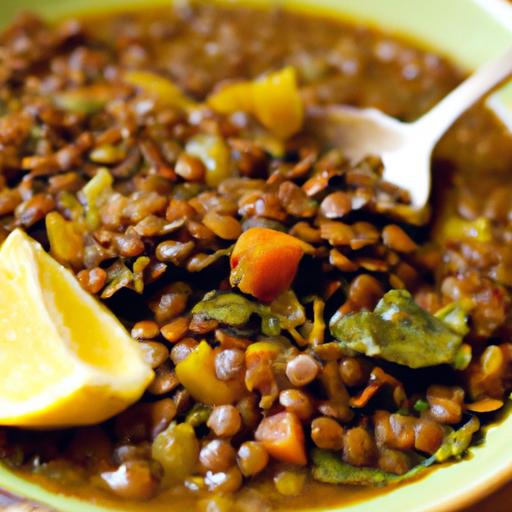

In the vast world of pulses, few ingredients carry the humble yet powerful legacy of nourishment quite like sabut masoor dal-those unassuming whole brown lentils that have quietly fueled kitchens and communities for centuries. More than just a staple in traditional recipes, sabut masoor dal is a treasure trove of nutrition, offering a wholesome blend of protein, fiber, and essential minerals packed within its earthy, russet-hued shell. As we peel back the layers of this ancient legume, prepare to uncover the captivating story and surprising health benefits of sabut masoor dal, a true superfood waiting to be celebrated in your everyday meals.
Sabut Masoor Dal, known as the whole brown lentil, is a true nutritional powerhouse that has been cherished across South Asian cuisines for centuries. This humble legume,with its earthy aroma and hearty texture,brings not only robust flavor but also a bounty of essential nutrients to the table. Originating from the Indian subcontinent, Sabut Masoor Dal holds a special place in traditional kitchens as a staple that promises both wellness and comfort in every bite.
Prep and Cook Time
- Preparation Time: 15 minutes (including soaking)
- Cook Time: 40-50 minutes
- Total Time: Approximately 1 hour
Yield
Serves 4 hearty portions
Difficulty Level
Easy to Medium – perfect for both beginners and seasoned home cooks
Ingredients
- 1 cup Sabut Masoor Dal (whole brown lentils), rinsed and soaked for 30 minutes
- 3 cups water (for cooking)
- 2 tbsp ghee or vegetable oil
- 1 medium onion, finely chopped
- 2 cloves garlic, minced
- 1-inch piece of ginger, grated
- 2 medium tomatoes, chopped
- 1 tsp cumin seeds
- 1 tsp turmeric powder
- 1 tsp coriander powder
- 1/2 tsp garam masala
- 1/2 tsp red chili powder (adjust to taste)
- Salt to taste
- Fresh cilantro leaves, for garnish
- 1 green chili, slit (optional)
Instructions
- Drain the soaked Sabut Masoor Dal well and transfer it to a heavy-bottom pot. Add 3 cups of fresh water. Bring to a boil, then reduce the heat to a gentle simmer. Cook uncovered for about 40 to 50 minutes or until the lentils are tender but hold their shape,stirring occasionally to prevent sticking.
- While the dal cooks,heat the ghee or oil in a skillet over medium heat. add cumin seeds and sauté until they begin to pop, releasing their warm aroma.
- Add the finely chopped onions and sauté until golden brown,about 7 minutes,stirring frequently to achieve an even caramelization.
- Stir in the minced garlic, grated ginger, and green chili if using. Sauté for an additional 2 minutes to bring out their flavors.
- Add the chopped tomatoes and cook until they soften and the oil starts to separate on the edges,approximately 5 minutes.
- Mix in the turmeric, coriander, red chili powder, and salt. Cook for 2 minutes, allowing the spices to bloom and infuse the mixture.
- Once the dal is cooked, add the spiced tomato-onion masala to the pot. Stir gently to combine everything. Simmer together for 5 to 10 minutes, letting the flavors meld beautifully.
- Finish by sprinkling garam masala and stirring well. Adjust salt and spice levels as desired.
- Garnish generously with fresh cilantro leaves before serving.
Tips for Success When Cooking Sabut Masoor dal
- Soaking is key: Even a brief soak helps reduce cooking time and enhances digestibility.
- Maintain texture: Cook lentils just until tender-overcooking can cause them to become mushy.
- Tempering spices: To unlock bold aromas,always sauté spices and aromatics in hot oil or ghee before mixing into the dal.
- Use fresh spices: Ground spices lose potency quickly; for intense flavor, opt for freshly ground powders or whole spices.
- Make ahead: this dal tastes even better the next day; refrigerate leftovers and gently reheat with a splash of water to prevent drying.
- Substitute liquids: For a richer taste, cook the dal partially in vegetable broth rather of plain water.
Serving Suggestions
Serve your perfectly cooked Sabut Masoor Dal alongside fragrant basmati rice or warm whole wheat chapatis. For an inviting presentation, add a swirl of homemade ghee or a dollop of thick yogurt on top. Garnish with freshly chopped cilantro and a wedge of lemon to brighten the earthy flavors. For a textural contrast, sprinkle some toasted cumin seeds or crushed roasted peanuts. This wholesome dish pairs beautifully with a simple cucumber raita or tangy tamarind chutney for layers of flavor that excite the palate.

| Nutrient | Per Serving |
|---|---|
| Calories | 230 kcal |
| Protein | 18 g |
| Carbohydrates | 38 g |
| Fat | 5 g |
| Fiber | 15 g |
Unlock more nutrient-packed legume ideas by exploring our healthy lentil dishes collection. For detailed nutritional insights on lentils and their health benefits, visit the National Institutes of Health’s research on lentils.
Q&A
Q&A: Sabut Masoor Dal – Nutritious Whole Brown Lentils Unveiled
Q1: What exactly is Sabut Masoor dal?
A1: Sabut Masoor Dal refers to the whole,un-split brown lentils known for their earthy flavor and nutrient-packed profile. Unlike the more common red masoor dal, these lentils keep their skin intact, giving them a richer texture and a slightly nuttier taste.
Q2: How does Sabut Masoor dal differ from regular masoor dal?
A2: While regular masoor dal is typically split and red-orange in color, Sabut Masoor dal is whole and brown. This means it takes longer to cook but retains more fiber and nutrients thanks to its unbroken outer layer,offering a heartier eating experience and a deeper nutritional punch.
Q3: What makes Sabut Masoor Dal so nutritious?
A3: Bursting with plant-based protein, complex carbohydrates, and essential minerals like iron and potassium, Sabut Masoor Dal is a powerhouse of nourishment. Its intact skin is a boon for digestive health, providing ample dietary fiber that supports gut function and sustained energy release.Q4: Are there any unique health benefits of Sabut Masoor Dal?
A4: Absolutely! Beyond its protein-packed goodness, Sabut Masoor Dal helps regulate blood sugar levels due to its low glycemic index. Its rich iron content aids in combating anemia, while the fiber promotes heart health by lowering cholesterol levels. It’s truly a lentil with superpowers!
Q5: How do you cook Sabut Masoor Dal to perfection?
A5: Start by soaking the lentils for about 30 minutes to reduce cooking time. Then simmer them gently in water or broth until tender-usually around 30-40 minutes. Unlike split lentils, they hold their shape well, making them ideal for hearty stews, salads, or pilafs.
Q6: Can Sabut Masoor Dal fit into various cuisines?
A6: Definitely! Though a staple in South asian dishes, sabut Masoor Dal’s mild, nutty complexity makes it versatile. It can star in Mediterranean soups, Middle eastern salads, or even blended into spreads and dips-adding nutrition and flavor wherever it lands.
Q7: Where can I buy Sabut Masoor Dal?
A7: Sabut Masoor Dal is increasingly available at health food stores, Indian and Middle Eastern grocery stores, and online retailers. Look for clean packaging and organic options if possible to enjoy the freshest and most wholesome lentils.
Unlock the humble Sabut Masoor Dal and let these whole brown lentils enrich your meals and your health-one nutritious bite at a time!
To Wrap It Up
In the vibrant tapestry of wholesome foods, Sabut Masoor Dal stands out not just as a staple ingredient but as a powerful emblem of nutrition and tradition. These unassuming whole brown lentils carry within them a bounty of health benefits – from protein-packed goodness and rich fiber content to essential vitamins and minerals that fuel body and mind alike. Embracing Sabut Masoor Dal in your meals is more than a nod to culinary heritage; it’s a step toward nourishing your body the natural, time-tested way.So next time you seek a hearty, healthful addition to your plate, remember the humble Sabut Masoor Dal – a small lentil with mighty nutritional magic waiting to be discovered.