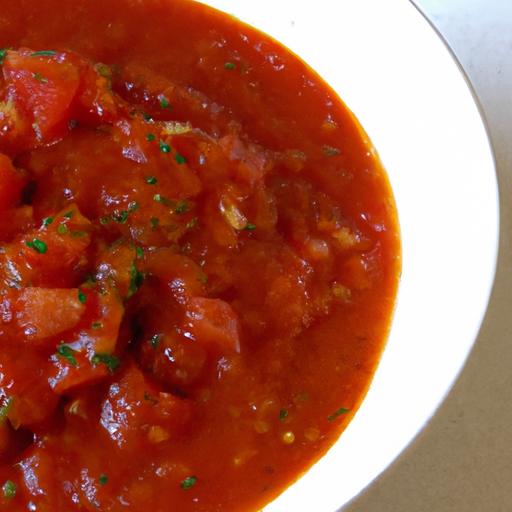

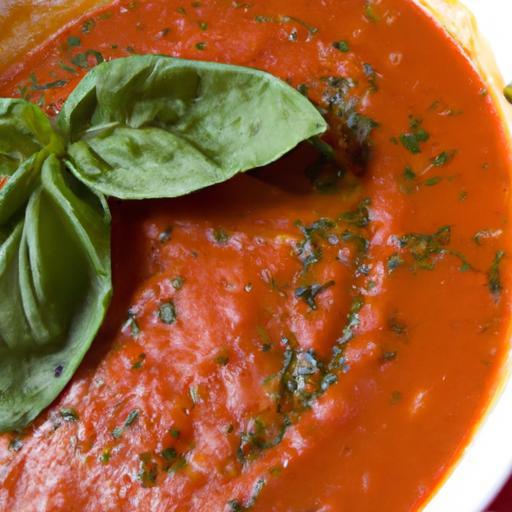
There’s something undeniably magical about a rich,aromatic marinara sauce simmering gently on the stove-a classic Italian staple that transforms simple ingredients into a symphony of flavour. But for those watching their sodium intake, the bold, savory punch of traditional marinara can sometimes feel out of reach. Enter homemade low-sodium marinara: a thoughtfully crafted alternative that doesn’t compromise on taste or heartiness. In this article, we’ll explore how too create a vibrant, fresh sauce from scratch, using wholesome ingredients and clever seasoning techniques to build deep, satisfying flavor-proving that flavorful doesn’t have to mean salty. Whether you’re cooking for health or simply craving a fresher,cleaner taste,this guide will inspire you to craft your own kitchen masterpiece,one simmer at a time.
Crafting flavor: homemade low-sodium marinara sauce begins with the meticulous selection of vibrant, fresh ingredients that naturally infuse every bite with depth and authenticity. the foundation of a truly robust marinara relies on tomatoes bursting with sweetness and acidity,balanced by fragrant herbs and spices that awaken the palate without overwhelming it with salt.
Prep and Cook Time
- Readiness: 15 minutes
- Cooking: 45 minutes
- Total Time: 1 hour
Yield
approximately 4 cups, serves 6 medium servings.
Difficulty Level
Medium – ideal for home cooks eager to elevate simple sauces with natural flavors.
Ingredients
- 4 cups fresh, ripe Roma tomatoes (blanched, peeled, and chopped)
- 1 medium yellow onion, finely diced
- 4 cloves fresh garlic, minced
- 2 tbsp extra virgin olive oil
- 1 tsp dried oregano
- 1 tsp dried basil
- 1 tsp fresh thyme leaves
- 1/4 tsp freshly ground black pepper
- 1/2 tsp crushed red pepper flakes (optional for mild heat)
- 1 tbsp balsamic vinegar (for natural sweetness and depth)
- 1 cup low-sodium vegetable broth or water
- Fresh basil leaves for garnish
Instructions
- Prepare the tomatoes: Start by blanching ripe Roma tomatoes in boiling water for 30 seconds, then plunge them into ice water. Peel the skins off and chop them finely,preserving their natural juices to maximize fresh flavor in your sauce.
- Sauté aromatics: Heat olive oil in a heavy-bottomed pan over medium heat. Add finely diced onion and sauté until translucent and soft, about 5 minutes. Add minced garlic and continue to sauté for 1 minute until fragrant, stirring frequently to prevent burning.
- Build your herb base: Sprinkle in dried oregano, dried basil, fresh thyme, black pepper, and optional red pepper flakes, allowing the herbs to bloom in the oil for 1-2 minutes. This technique ensures your low-sodium marinara is savory and layered with botanical notes.
- combine tomatoes and liquids: Add the chopped tomatoes with their juices and pour in the vegetable broth. Stir gently and bring the mixture to a simmer. Reduce heat to low and cook uncovered for 30 to 40 minutes, stirring occasionally to prevent sticking and allowing the sauce to thicken naturally.
- Final flavor boost: Stir in the balsamic vinegar during the last 5 minutes of cooking to impart a subtle sweetness and a luscious, balanced acidity.
- Adjust consistency: For a smoother texture, use an immersion blender directly in the pot to lightly puree the sauce, leaving some chunks for a rustic mouthfeel.
- season to taste: Taste your low-sodium marinara sauce before serving. If needed, add a dash more black pepper or fresh herbs to adjust the vibrancy without adding salt.
Chef’s Notes
- For a sweeter sauce, substitute half of the Roma tomatoes with cherry tomatoes, which explode with natural sugars.
- Fresh herbs can replace dried – use 2 tablespoons of fresh oregano or basil for every teaspoon of dried.
- To amp up umami flavors naturally, consider stirring in 2 teaspoons of finely chopped sun-dried tomatoes or a splash of mushroom broth.
- This sauce freezes beautifully. Store in airtight containers for up to 3 months. Reheat gently to preserve its fresh herbal aroma.
Serving Suggestions
Serve your vibrant low-sodium marinara tossed with freshly cooked pasta, dolloped over grilled vegetables, or as a dipping sauce for rustic breadsticks.Garnish with torn fresh basil and a drizzle of high-quality extra virgin olive oil for a restaurant-worthy presentation. Sprinkle a few toasted pine nuts or a shaving of aged Parmesan if you like, yet preserving the clean taste of your homemade creation.
| Nutrient | Per 1/2 cup Serving |
|---|---|
| Calories | 70 |
| Protein | 2g |
| Carbohydrates | 11g |
| Fat | 3g |

For more ways to enhance your pasta dishes naturally, check out our Healthy Italian Herb Pasta Guide. To deepen your understanding of herbs’ health benefits, the National Institutes of Health herbs database is an excellent resource.
Q&A
Q&A: Crafting Flavor – Homemade low-Sodium Marinara Sauce
Q1: Why make a homemade low-sodium marinara sauce rather of buying store-bought?
A1: Store-bought marinara sauces frequently enough come packed with excess salt and preservatives that can overpower the natural flavors of the tomatoes and herbs. Crafting your own low-sodium version lets you control the salt content, ensuring a fresher, brighter, and more vibrant sauce that elevates your dishes without compromising your health.
Q2: What are the key ingredients to achieve rich flavor without relying on salt?
A2: The magic lies in layering flavors! Ripe Roma tomatoes or quality canned San Marzano tomatoes provide a sweet and tangy base. fresh garlic, sautéed slowly, unlocks depth; onions bring natural sweetness. aromatics like fresh basil, oregano, and a pinch of red pepper flakes awaken the palate.A splash of good-quality olive oil and a touch of balsamic vinegar add complexity, making salt almost needless.
Q3: How do you enhance the natural sweetness of tomatoes in low-sodium marinara?
A3: Slow simmering is your best friend. Allowing the sauce to gently bubble for at least 45 minutes caramelizes the tomato sugars, developing a rich, mellow sweetness. Adding a small grated carrot or a dash of natural sweeteners like a teaspoon of honey can also balance acidity without adding salt.
Q4: Can I use fresh tomatoes for this sauce, and if so, how?
A4: Absolutely! Fresh tomatoes are seasonal treasures. Choose ripe,firm tomatoes,blanch them briefly,peel,and seed them for a smoother texture. Chop and simmer with your aromatics as you would canned tomatoes. Fresh tomatoes bring a garden-fresh brightness unmatched by canned, though the simmering time may be a bit longer to break down their structure.
Q5: What tricks help compensate for lower salt in marinara while keeping it flavorful?
A5: Umami boosters play a starring role-think of incorporating finely chopped mushrooms, a splash of low-sodium soy sauce, or a bit of nutritional yeast. These ingredients deepen savoriness without pushing sodium levels. Additionally, toasting your garlic and herbs briefly in olive oil before adding tomatoes releases fragrant oils that amplify taste.
Q6: How should I store my homemade low-sodium marinara sauce?
A6: Store your sauce in an airtight container in the refrigerator for up to a week. For longer preservation, freeze portions in resealable bags or jars. When reheating, warm gently and taste before adding any salt or seasoning, as flavors meld and can brighten over time.
Q7: What dishes pair best with homemade low-sodium marinara?
A7: Its versatility is its charm! Use it as a base for classic pasta dishes, a dipping sauce for fresh breadsticks, a topping for grilled vegetables, or even a flavorful addition to homemade pizza. The freshness and balanced flavor enhance any recipe that calls for tomato sauce, providing a heart-healthy and delightful twist.Q8: Any final tips for novice sauce-makers venturing into low-sodium territory?
A8: Patience is key. Let your sauce simmer slowly and taste frequently. Don’t shy away from herbs-fresh is best, but dried can also do in a pinch. Remember, low sodium doesn’t mean low flavor; it means unlocking the true essence of your ingredients. Experiment and personalize until you find your perfect signature sauce!
to sum up
as you embark on your culinary adventures with this homemade low-sodium marinara sauce, remember that flavor doesn’t have to come at the cost of your health. Crafting your own sauce is not just about controlling sodium-it’s an art of layering fresh ingredients,coaxing out natural sweetness,and balancing herbs to create a vibrant,wholesome base for countless dishes. By bringing this mindful approach into your kitchen, you’re not only enhancing your meals but also embracing a mindful way to savor every bite. So grab your wooden spoon and let this sauce be the heart of your next delicious, health-conscious creation.