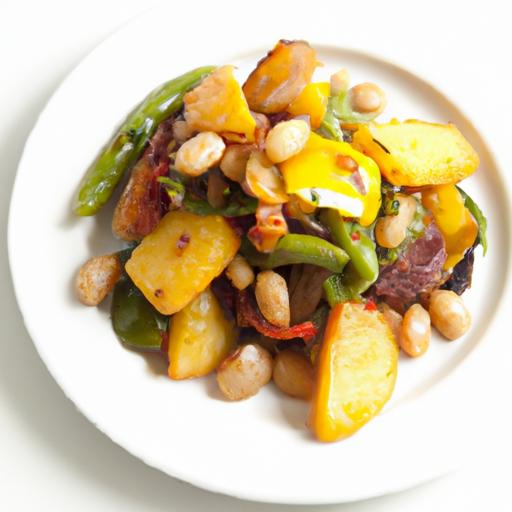

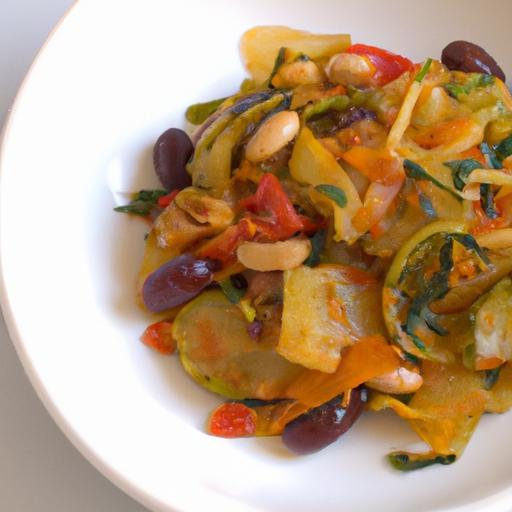
Nestled at the crossroads of history and cuisine, Sicily offers a culinary tapestry rich with vibrant flavors and ancient traditions. Among its many treasures, caponata stands out as a timeless emblem of the island’s soul-a harmonious medley of eggplant, tomatoes, olives, and capers simmered into a sweet and tangy symphony.
More than just a dish, caponata tells a story of cultural fusion, resilience, and the simple joy of savoring seasonal bounty. In this article, we embark on a flavorful journey through the heart of Sicilian kitchens, uncovering the secrets behind conventional caponata and celebrating its enduring charm on tables around the world.
Savoring Sicily: The Timeless Charm of Traditional Caponata invites us to explore one of Sicily’s most beloved dishes-a tangy,sweet,and savory medley that encapsulates the island’s vibrant culinary soul.This humble eggplant-based relish carries centuries of history, evolving through diverse cultural influences to become the iconic symbol of Sicilian tables today. From aromatic herbs to seasonal vegetables,each bite is a celebration of mediterranean sunshine and rustic tradition.
Prep and Cook Time
preparation: 25 minutes | Cooking: 35 minutes | Total: 60 minutes
Yield
Serves 6 as an appetizer or side dish
Difficulty Level
Medium – ideal for cooks ready to balance flavors and textures in a dish with multiple components
Key Ingredients and Their Seasonal Variations for Authentic Flavor
- Eggplant: Choose firm, medium-sized eggplants with glossy skin. In summer, Sicilian purple eggplants impart a delicate bitterness; in fall, look for slightly sweeter varieties.
- Celery: Crunchy stalks provide a subtle herbal freshness complementary to sautéed aubergine.
- Capers: Salt-cured Sicilian capers add bursts of briny complexity. Rinse to moderate saltiness if desired.
- Green Olives: Preferably castelvetrano or nocellara types, known for their buttery taste.
- Tomatoes: Peak-season Roma or san Marzano tomatoes offer a sweet tang that balances the dish. During winter, canned plum tomatoes can be a perfect substitute.
- Pine Nuts and Raisins: These provide contrast-pine nuts deliver crunch, raisins a subtle sweetness-a classic hallmark of caponata’s Sicilian profile.
- Red Wine Vinegar: The acidic punch essential for the signature sweet-and-sour flavor.
Step-by-Step Guide to Crafting Classic caponata at Home
- prepare the Eggplant: Cube 2 large eggplants into 1-inch pieces. Salt them lightly and set aside in a colander for 20 minutes to draw out bitterness. Rinse and pat dry thoroughly.
- Sauté Eggplant: Heat ½ cup olive oil in a large skillet over medium-high heat. Add eggplant cubes in batches and fry until golden and tender, about 6 minutes per batch. Drain on paper towels to remove excess oil.
- Cook Aromatics: In the same skillet, add 3 stalks chopped celery and 1 chopped onion; sauté until soft and translucent, about 5 minutes.
- Add Tomatoes and Olives: Stir in 2 cups peeled and chopped fresh tomatoes, ½ cup chopped green olives, 2 tablespoons rinsed capers, ¼ cup pine nuts, and ¼ cup golden raisins. Cook for 10 minutes to meld flavors.
- Introduce Vinegar and Sugar: Lower heat and add ⅓ cup red wine vinegar and 2 tablespoons granulated sugar. Gently simmer, stirring ofen, until the mixture thickens and develops its characteristic balance of sweet and sour, about 10 minutes.
- combine and Chill: Return eggplant to the skillet, toss gently to coat. Taste and adjust seasoning with salt and freshly ground black pepper. Remove from heat and allow the caponata to cool to room temperature before refrigerating for at least 2 hours to deepen the flavors.
Chef’s Notes on Savoring Sicily: The Timeless Charm of Traditional Caponata
- Make Ahead: Caponata tastes even better the next day, making it a superb dish to prepare in advance.
- Ingredient Swaps: No celery? Fennel stalks or green bell peppers are excellent alternatives.
- Health Tip: For a lighter version, roast the eggplant cubes instead of frying to cut down on oil without sacrificing texture.
- Texture Balance: if you prefer a silkier caponata, chop the vegetables smaller or pulse gently in a food processor before simmering.
Serving Suggestions
Serve caponata chilled or at room temperature, subtly garnished with fresh basil leaves and a sprinkle of toasted pine nuts. It is an exquisite antipasto spread with crusty Sicilian bread or crostini. Pair it alongside grilled swordfish or as an accompaniment to calm your palate between rich meat courses. For a vibrant vegetarian meal, spoon over creamy polenta or toss with warm pasta.
Pairing Caponata with Sicilian Wines and Traditional Dishes
Savoring Sicily: The Timeless Charm of Traditional Caponata naturally complements the island’s crisp white wines such as Etna bianco, whose mineral undertones echo each vegetable’s earthiness. alternatively, the soft tannins and bright acidity of a Nero d’Avola enhance the relish’s sweetness and savoriness. Caponata also partners beautifully with classic Sicilian dishes like arancini,fresh ricotta-stuffed cannoli,or grilled seafood traditions hailing from the coast.

| Nutritional Info (per Serving) | Amount |
|---|---|
| Calories | 180 kcal |
| Protein | 3 g |
| Carbohydrates | 22 g |
| Fat | 9 g |
For those passionate about Mediterranean flavors, dive deeper into our related article on Authentic Sicilian Recipes and explore more of Italy’s timeless culinary heritage.
Q&A
Q&A: Savoring Sicily – The Timeless Charm of Traditional Caponata
Q1: What is Caponata,and why is it considered a symbol of Sicilian cuisine?
A1: Caponata is a vibrant Sicilian dish that boasts a harmonious blend of sweet,sour,and savory flavors. At its heart, it’s a cooked vegetable salad primarily made from eggplant, tomatoes, celery, olives, and capers, all gently simmered in a tangy sweet-and-sour sauce. This mosaic of flavors perfectly captures Sicily’s rich history-where Arab, Spanish, and Mediterranean influences meld into a culinary masterpiece that’s both rustic and elegant. It’s a dish that tells the story of Sicily’s fertile lands and cultural crossroads, making it a true icon of the island’s gastronomic heritage.
Q2: How does the traditional preparation of Caponata reflect Sicilian culture?
A2: Traditional Caponata preparation is an act of patience, balance, and community-values deeply rooted in Sicilian culture. Each ingredient is treated with respect; eggplants are carefully salted and drained to remove bitterness, vegetables are sautéed slowly to develop layers of flavor, and the sweet-and-sour sauce is meticulously crafted to achieve the signature harmony. This process mirrors the Sicilian way of life, where time-honored traditions are preserved and shared, turning every meal into a celebration of the island’s natural bounty and ancient richness.
Q3: What makes the flavor profile of Caponata so unique compared to other Mediterranean vegetable dishes?
A3: Unlike typical Mediterranean vegetable mixes, caponata is defined by its striking sweet-and-sour flavor-a result of combining ingredients like vinegar and sugar with the natural sweetness of tomatoes and caramelized eggplant. This duality creates a dance on the palate, where acidity and sweetness intertwine, supported by the briny depth of olives and capers, and the crisp freshness of celery.The outcome is a dish that is refreshingly bright yet deeply comforting, perfectly embodying Sicily’s sun-soaked energy and complex history.
Q4: How versatile is Caponata in modern dining, and what are some creative ways to enjoy it today?
A4: Caponata’s versatility is one of its timeless charms. Traditionally served as a side dish or antipasto, it can seamlessly transform into a mouthwatering topping for bruschetta, a hearty filling for sandwiches, or even a sauce for grilled fish and meats.Contemporary chefs experiment by incorporating nuts, raisins, or fresh herbs, while health-conscious food lovers appreciate its wholesome vegetable base. Whether served warm or chilled, Caponata continues to inspire innovation on Sicilian tables and beyond, blending tradition with modern tastes.
Q5: Why is learning to make Caponata a meaningful experience for culinary enthusiasts?
A5: Making caponata is more than cooking-it’s an immersive journey into Sicilian history,culture,and sensory delight. For culinary enthusiasts, mastering this dish means engaging with a recipe that has been lovingly passed down through generations, each step offering insight into Sicily’s rhythms and flavors. The act of balancing sweet and sour notes hones a refined palate, and the slow, mindful preparation cultivates gratitude for simple, quality ingredients. In essence, making Caponata invites cooks to savor not just a recipe, but the essence of Sicily itself.
Wrapping Up
As the flavors of caponata linger on the palate, so too does the rich tapestry of Sicily’s history and culture unfold with every bite. This humble yet vibrant dish is more than a combination of eggplants, tomatoes, and olives-it is indeed a timeless testament to the island’s enduring spirit and the art of savoring life’s simple pleasures. Whether enjoyed in a sun-soaked piazza or recreated in your own kitchen, traditional Sicilian caponata invites you to pause, reflect, and relish a piece of Mediterranean heritage that continues to captivate taste buds and hearts alike. In savoring Sicily through caponata, we celebrate not just a recipe, but a flavorful thread in the fabric of a timeless tradition.