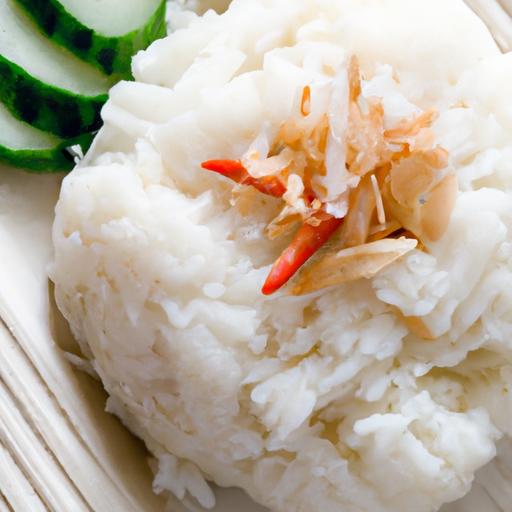

There’s a humble grain that holds the heart of Thai cuisine in its delicate, glistening embrace-sticky rice. Known locally as “khao niao,” this beloved staple is more than just a side dish; it’s a cultural icon that binds families around the dinner table and elevates every meal with its unique texture and subtle sweetness. Yet, mastering the art of sticky rice can feel elusive for many home cooks, with its precise soaking, steaming, and timing rituals often shrouded in mystery.
Fear not-this perfect step-by-step guide will unravel the secrets behind crafting flawless thai sticky rice, turning your kitchen into a haven of authentic flavors and comforting aromas. Ready to embark on a culinary journey that celebrates tradition and transforms your cooking skills? Let’s dive in.
Choosing the Ideal Rice Variety for Authentic Sticky Texture
Mastering Thai Sticky Rice begins with selecting the right rice grain, a crucial foundation for achieving the signature chewy and luscious texture that defines this beloved dish. Opt for glutinous (sweet) rice, also known as Thai sticky rice, which is different from jasmine rice or other long-grain varieties. This particular type of rice has a high amylopectin starch content that gives it the perfect sticky consistency when cooked.
Look for rice labeled as “sweet rice” or “sticky rice” at authentic Asian markets or reputable online stores. Avoid regular long-grain rice, as it won’t yield the tender clumps needed.Freshness also impacts quality; ideally, use rice harvested within the last year to maintain optimal moisture and texture.
Soaking and Steaming techniques to Achieve Flawless Results
Proper soaking is the secret that elevates sticky rice from good to exceptional. Rinse the rice until the water runs clear, then soak it in cool water for at least 4-6 hours or overnight. This step hydrates the grains uniformly, allowing them to steam evenly later on.
Steaming is essential-never boil sticky rice. Use a traditional bamboo sticky rice steamer or a metal steaming basket with a breathable cloth lining. Drain the soaked rice thoroughly before spreading it thinly on the cloth. Steam over simmering water for about 20-30 minutes, flipping or gently stirring halfway to ensure even cooking.
For flawless texture, keep the lid tightly closed to trap steam and avoid adding water directly into the rice, which will disrupt the delicate texture balance. The steam cooks the grains gently, producing that uniquely sticky yet tender bite.
Tips for Perfecting the Sticky Rice Serving Experiance
Sticky rice is traditionally served warm, fresh off the steamer, to fully enjoy its subtle sweetness and supple elasticity. It pairs beautifully with grilled meats, spicy dips, and tropical fruits like mango.
Use a small bowl to shape the hot rice into neat mounds before plating. This not only enhances presentation but also makes the rice easier to handle. If serving later, wrap the rice in a clean kitchen towel to retain warmth and moisture, reheating gently in a steamer or microwave-water bath.
Accompany sticky rice with a drizzle of coconut cream or a sprinkle of toasted sesame seeds for an elegant touch that heightens the visual appeal and flavor complexity.
Common Mistakes and How to Avoid Them for Consistent success
One of the most frequent errors is under-soaking the rice,which leads to uneven cooking and a hard centre. Allow enough soaking time-this patience ensures tenderness throughout.
Oversteaming or steaming without adequate moisture can create dry,crumbly rice. Always monitor steam levels, replenish the water in the pot as needed, and check the texture midway, gently fluffing the rice to distribute heat.
Avoid stirring sticky rice excessively while cooking, as this breaks the grains and affects the glossy appearance and chewiness that define the dish’s charm. Lastly, never rinse the cooked rice; this washes away its delicate starch coating crucial for sticky texture.
By embracing these insights and techniques,Mastering Thai Sticky Rice becomes an accessible culinary art that transforms your kitchen into a gateway to authentic thai flavors.

Prep and Cook Time
- Preparation: 6 hours (including soaking)
- cook Time: 30 minutes
- Total Time: Approximately 6 hours 30 minutes
Yield
Makes about 4 servings of perfectly sticky rice.
Difficulty Level
Medium – requires planning and proper attention to technique.
Ingredients
- 2 cups glutinous (sticky) rice,rinsed thoroughly
- Water for soaking
- Optional garnishes: toasted sesame seeds,coconut cream
Instructions
- Rinse and soak: Place the rinsed sticky rice in a large bowl.Cover with cool water and let soak for at least 4-6 hours or overnight for maximum tenderness.
- Prepare steamer: Fill your steamer pot or bamboo basket with water, ensuring it will not touch the rice when steaming. Line the steaming basket with a damp cheesecloth or clean thin kitchen towel.
- Drain and arrange rice: Drain the soaked rice wholly. Spread evenly on the lined basket in a thin, uniform layer for consistent cooking.
- Steam the rice: Cover and steam over simmering water for 15 minutes. After 15 minutes, gently fluff and flip the rice using a spatula or spoon to promote even cooking. Cover and steam another 10-15 minutes.
- Test for doneness: The sticky rice should be tender and hold together but still slightly chewy. If needed,steam an additional 5 minutes.
- Serve warm: Use a spoon or small bowl to shape the rice into compact mounds. Add optional garnishes like toasted sesame seeds or a light drizzle of coconut cream for a luscious finish.
Tips for Success
- Use fresh glutinous rice harvested within the last year for the best chewiness and flavor.
- do not rush the soaking process; this is essential for soft, cohesive grains.
- Keep an eye on water levels in your steamer to maintain consistent steam throughout cooking.
- If you don’t have a bamboo steamer, use a metal basket over a pot with gently simmering water instead.
- To reheat sticky rice, steam for 5-8 minutes or microwave covered with a damp paper towel to restore moisture.
Serving Suggestions
Serve sticky rice alongside grilled Thai chicken or sweet mango sticky rice for a complete sensory adventure. Garnish with fresh cilantro or toasted coconut shavings to add aromatic depth and visual contrast. Pair with vibrant dipping sauces like nam jim jaew to balance sticky rice’s subtle sweetness.
| nutrient | Per Serving |
|---|---|
| Calories | 210 |
| Protein | 4g |
| Carbohydrates | 45g |
| Fat | 0.5g |
Q&A
Q&A: Mastering Thai Sticky Rice – A Perfect Step-by-Step Guide
Q1: What makes Thai sticky rice different from regular rice?
A: Thai sticky rice, also known as glutinous or sweet rice, has a unique texture that’s chewy and slightly sticky when cooked. Unlike regular long-grain rice, it’s made from a different variety of rice with higher starch content, which is key to achieving that iconic clump-together texture beloved in Thai cuisine.
Q2: Why is mastering sticky rice vital for authentic Thai dishes?
A: Sticky rice is more than a side dish in thailand-it’s a cultural staple. Perfectly cooked sticky rice complements everything from savory grilled meats to luscious mango sticky rice desserts. Mastering it ensures you capture the authentic taste and texture that define traditional Thai meals.
Q3: Can sticky rice be cooked like regular rice in a pot or rice cooker?
A: While some rice cookers have a sticky rice setting,the traditional and most authentic method involves soaking and steaming,which preserves the rice’s texture and flavor better than boiling or standard cooking methods.
Q4: What’s the first essential step in preparing sticky rice?
A: Soaking! Soak your sticky rice in cold water for at least 4 hours,ideally overnight. This softens the grains and ensures even cooking without getting mushy, setting you up for that perfect sticky texture.
Q5: How does the steaming process work for sticky rice?
A: After soaking, drain the rice and place it in a bamboo steamer lined with cheesecloth or a clean kitchen towel. Steam over boiling water for about 20-30 minutes,flipping the rice halfway through to cook evenly. This gentle, indirect heat cooks the rice perfectly without waterlogging the grains.
Q6: Are there any tips to avoid gummy or undercooked sticky rice?
A: Absolutely! Make sure to soak long enough, steam over constant boiling water, and avoid rushing the process. Also, flipping the rice during steaming helps steam penetrate evenly. If it still feels undercooked, steam for an extra 5-10 minutes rather than adding water.
Q7: Can sticky rice be kept warm,and how?
A: Yes! After steaming,keep sticky rice wrapped in a clean kitchen towel inside a covered container or steamer basket. this traps steam and keeps the rice soft and warm for hours, perfect when serving multiple dishes.
Q8: What pairings work best with sticky rice?
A: Sticky rice shines alongside savory grilled dishes like Thai larb, spicy sausages, or sticky pork ribs.And don’t forget dessert-classic mango sticky rice drizzled with coconut cream is a heavenly finish.
Q9: Is sticky rice gluten-free?
A: Yes! Despite the name glutinous rice, it contains no gluten and is safe for those with gluten sensitivities or celiac disease. The “glutinous” refers only to its sticky, gluey texture.
Q10: Can I spice up or flavor sticky rice during cooking?
A: You can! Try adding pandan leaves to the steaming water for a fragrant aroma or cook the rice with coconut milk for extra richness, especially popular in desserts.
Mastering Thai sticky rice is both an art and a joy-once you get the hang of soaking and steaming, you’ll unlock a world of authentic flavors and textures that elevate every Thai meal. Ready to steam your way to perfection?
Insights and Conclusions
As you embark on your journey to master Thai sticky rice, remember that patience and practice are your greatest allies. With each grain perfectly steamed and every bite delightfully chewy, you’re not just crafting a side dish-you’re honoring a revered tradition that brings people together. Whether paired with spicy papaya salad or wrapped in luscious mango, sticky rice is more than food; it’s an experience. So roll up your sleeves, follow these steps, and transform humble grains into a sticky rice masterpiece that’s authentically Thai and irresistibly delicious. Your kitchen is now a gateway to southeast Asia’s heart-one sticky, fragrant bite at a time.