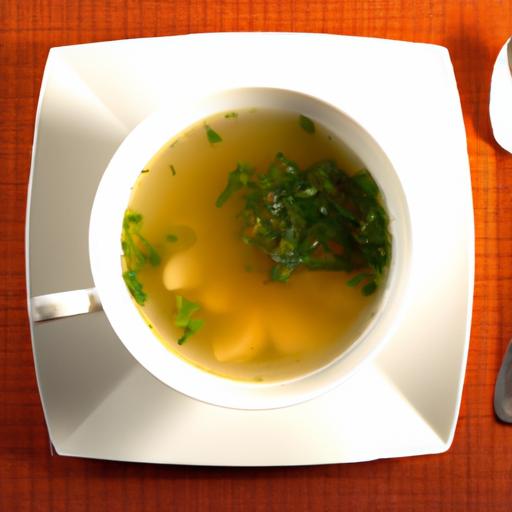

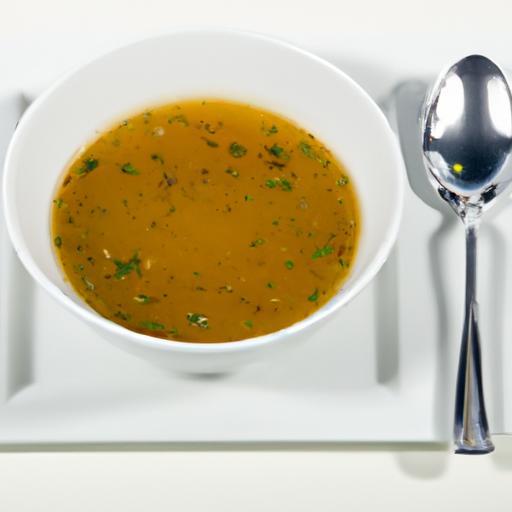
There’s an art to coaxing rich, vibrant flavors from humble vegetables-especially when salt takes a backseat. Crafting a low-sodium vegetable broth that bursts with depth adn warmth isn’t just good for the palate; it’s a mindful choice for a healthier lifestyle. In this step-by-step guide, we’ll explore how to transform simple, fresh ingredients into a luscious, aromatic base that elevates soups, stews, and countless dishes-proving that bold flavor doesn’t have to come from sodium. Ready to awaken your kitchen with wholesome taste? Let’s dive in.
Crafting Flavorful Low-Sodium Vegetable Broth begins with selecting the freshest and most aromatic vegetables and herbs to build a deeply satisfying foundation without relying on salt. This careful curation ensures every simmer releases a symphony of flavors that elevate your dishes naturally.
Choosing the Perfect vegetables and Herbs for Maximum Flavor
Start with vibrant, organic vegetables for the cleanest taste and avoid bitterness or off-flavors. A medley of carrots, celery, and onions forms the classic mirepoix base, imparting sweetness, earthiness, and mild pungency. Enhance the vegetable broth’s complexity by adding garlic cloves, leeks, and fennel bulbs, which introduce subtle layers of aromatics.
For herbs, go beyond just parsley-include fresh thyme, rosemary, and bay leaves. These herbs release their essential oils gradually, offering nuanced depth. Remember to tie your herbs into a bouquet garni or use a spice infuser for easy removal and a polished presentation.
Techniques to Enhance Depth and Richness Without Salt
To maximize flavor without salt, consider roasting your vegetables lightly before simmering.This caramelization process deepens the broth’s color and intensifies sweetness through Maillard reactions. Furthermore, gently sautéing aromatics in a splash of olive oil before adding water unlocks richness and complexity.
Simmer your broth slowly over low heat for at least an hour, allowing flavors to meld patiently. avoid boiling aggressively, which can cause bitterness and cloudy broth. Additionally, adding umami-rich ingredients like dried shiitake mushrooms, tomato paste, or Parmesan rinds (if not vegan) can create a savory backbone that feels hearty despite the absence of salt.
Balancing Aromatics and Seasonings for a Well-Rounded Broth
Balance is key. Use freshly cracked black pepper, a pinch of smoked paprika, or a few crushed coriander seeds to add subtle warmth and intrigue. Taste frequently during the cooking process to adjust aromatics and herbs, ensuring none overpower the delicate vegetable flavors.
Acidity brightens and balances richness-add a splash of apple cider vinegar or lemon juice at the end of cooking for a lively finish. This step wakes up the broth and complements the natural sweetness of the vegetables perfectly.
Storage Tips to Preserve Freshness and Flavor Over Time
Once your broth has cooled to room temperature, strain it through a fine mesh sieve or cheesecloth to achieve a crystal-clear liquid. Pour the broth into airtight containers or glass jars, leaving some headspace for expansion if freezing.
Store in the refrigerator for up to 5 days or freeze in ice cube trays to have ready-made flavor bombs for sautés and soups. Label your containers with the date to ensure freshness. When reheating,warm gently over low heat to preserve delicate aromatics and prevent any bitterness.
Prep and Cook Time
- Prep Time: 20 minutes
- Cook Time: 1 hour 15 minutes
- Total Time: 1 hour 35 minutes
Yield
Makes approximately 8 cups (1.9 liters) of vegetable broth
Difficulty Level
easy to Medium – suitable for home cooks of all levels
Ingredients
- 3 large carrots, chopped
- 3 celery stalks, chopped
- 2 medium yellow onions, quartered (no peeling necessary)
- 1 leek, white and light green parts only, sliced
- 4 garlic cloves, smashed
- 1 fennel bulb, chopped
- 8 cups cold filtered water
- 4 sprigs fresh thyme
- 2 sprigs fresh rosemary
- 2 bay leaves
- 1 cup chopped parsley stems
- 2 dried shiitake mushrooms (optional for umami)
- 1 tablespoon olive oil
- 1 tablespoon tomato paste (optional)
- 1 teaspoon black peppercorns
- 1 teaspoon apple cider vinegar
Instructions
- Roast the vegetables: Preheat your oven to 400°F (200°C). Arrange the carrots, celery, onions, leek, and fennel on a baking sheet. Drizzle with olive oil and toss gently. Roast for 25-30 minutes until the edges caramelize and vegetables become golden brown.
- Sauté aromatics: In a large stockpot, add the roasted vegetables and sauté lightly for 5 minutes over medium heat, stirring occasionally to release fragrant oils and deepen flavor.
- Add remaining ingredients: Pour in the cold water. Add garlic, parsley stems, thyme, rosemary, bay leaves, shiitake mushrooms, tomato paste, and peppercorns.
- Simmer gently: Bring broth to a slow simmer over low heat. Avoid a rolling boil. Simmer uncovered for 1 hour, stirring occasionally. This slow simmering extracts maximum flavor and color.
- Strain the broth: Using a fine mesh sieve or cheesecloth, strain the broth into a clean container, pressing gently on solids to extract liquids. Discard solids or compost.
- Finish with acidity: Stir in apple cider vinegar to brighten flavors immediately before serving or storing.
- Cool and store: let broth cool to room temperature. Store in airtight containers in the refrigerator up to 5 days or freeze in portions for future use.
Tips for Success
- Use cold filtered water to keep flavors clean and pure.
- Don’t peel the onions; the skin adds beautiful color and subtle bitterness for balance.
- Experiment with umami boosters like dried mushrooms or tomato paste to enrich low-sodium broth naturally.
- to intensify aroma, add herbs in a bouquet garni tied with kitchen twine for easy removal.
- For a clear broth, strain twice and avoid stirring too vigorously during simmering to reduce cloudiness.
- Freeze broth in ice cube trays and transfer cubes to labeled freezer bags for versatile small portions.
Serving Suggestions
This broth shines as a base for soups, risottos, and grain dishes. Use it to cook quinoa or lentils for added flavor or sip it warmed with a sprinkle of freshly chopped parsley and a twist of lemon zest. Garnish with a sprig of thyme or a drizzle of high-quality olive oil for an elegant touch. Pair with crusty whole-grain bread or fresh seasonal greens for a nourishing meal.
| nutrient | Per 1 cup (240 ml) |
|---|---|
| Calories | 35 |
| Protein | 1.5 g |
| Carbohydrates | 7 g |
| Fat | 0.5 g |

Q&A
Q&A: Crafting Flavorful low-Sodium Vegetable Broth – A Step-by-Step Guide
Q1: Why choose low-sodium vegetable broth over store-bought options?
A1: Store-bought broths often come loaded with hidden salts and preservatives that can overpower your dishes and negatively impact health. crafting your own low-sodium vegetable broth lets you control the flavor, freshness, and-most importantly-the salt content, so you get a wholesome base that enhances rather than masks your recipes.
Q2: What vegetables work best for a rich, flavorful broth without salt?
A2: Think of your broth as a veggie symphony. Carrots bring subtle sweetness, celery adds earthy depth, onions and garlic deliver savory warmth, and mushrooms contribute umami magic. Don’t shy away from adding herbs like thyme or bay leaves, and even a touch of tomato can brighten the taste-all combining to create a broth vibrant with natural flavors.
Q3: How can I extract maximum flavor without adding salt?
A3: Slow and steady wins the race. Simmer your veggies gently over low heat for at least 45 minutes to coax out their essence. Roasting the vegetables beforehand caramelizes natural sugars and amplifies taste. Also,scrappy bits like mushroom stems and herb stems aren’t just kitchen scraps-they’re flavor goldmines that transform your broth.
Q4: Should I peel the vegetables before making broth?
A4: Not necessarily. Many nutritional benefits and flavors lurk just beneath the skins. Just give your vegetables a good scrub to remove dirt and pesticides. The skins of onions and garlic, such as, add a lovely golden hue and depth.Though, avoid using bitter parts like tough broccoli stalks or wilted greens to keep the broth clean and pleasant.
Q5: How do I store homemade low-sodium vegetable broth?
A5: Once cooled, transfer your broth into airtight containers or mason jars. It keeps beautifully in the fridge for up to five days. For longer storage, freeze it in ice cube trays or freezer-safe bags; frozen broth lasts for up to three months, ready to impart fresh flavor on a whim.
Q6: Can I customize my broth for different cuisines?
A6: Absolutely! Swap in ingredients to match the flavor profile you crave. For an Asian twist, add ginger, lemongrass, and dried seaweed. For Mediterranean flair, toss in rosemary, oregano, and sun-dried tomatoes. Your broth is your canvas-experiment boldly while keeping that lovely low-sodium core.
Q7: What are some versatile uses for homemade low-sodium vegetable broth?
A7: Beyond soups and stews, use your broth to cook grains, steam vegetables, or deglaze pans. It’s a secret ingredient that transforms simple dishes into culinary delights without adding extra salt. Plus, it’s a fantastic way to hydrate your meals while nourishing your body.
Q8: Any tips for beginners to avoid common pitfalls?
A8: Patience is your best friend. Don’t rush with a rolling boil-gentle simmering preserves flavor clarity. Avoid adding salt during the cooking stage; you can always season individual dishes later. Lastly, don’t toss your veggie scraps! Save them in a freezer bag and batch-make broth whenever you have time. It’s sustainable and flavorful.
Creating your own low-sodium vegetable broth is a delightful journey from kitchen scraps to a savory elixir, proving that great flavor doesn’t need to come with a salty punch. Ready to simmer your way to broth brilliance?
To Conclude
Crafting a vibrant, low-sodium vegetable broth is more than just a cooking task-it’s an invitation to explore the richness of natural flavors with every simmer. By thoughtfully selecting fresh ingredients and layering aromatic herbs and spices, you can create a nourishing base that enhances any dish without relying on excess salt. With this step-by-step guide in hand, you’re equipped to transform humble vegetables into a symphony of taste that supports both your health and culinary creativity. Embrace the art of broth-making, and let your kitchen be filled with the warm, comforting essence of homemade goodness-one flavorful spoonful at a time.