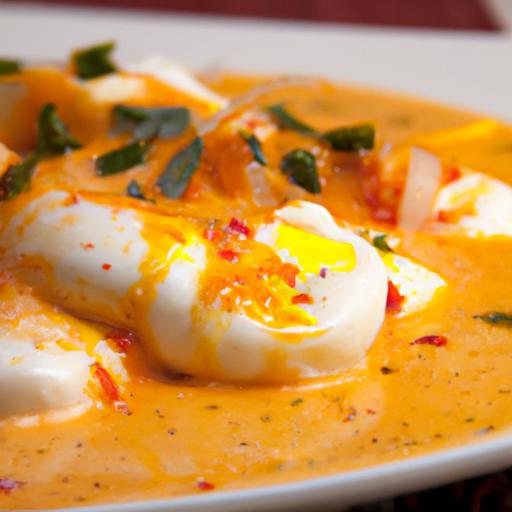

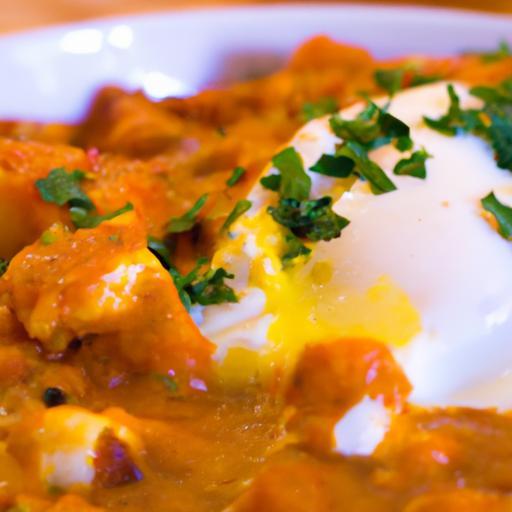
Nestled along India’s sun-kissed Malabar Coast, Kerala is a land where spices whisper stories and coconuts reign supreme. Among its vibrant culinary tapestry lies a dish that perfectly captures the region’s coastal charm and rich heritage: Kerala egg Curry with Coconut Milk. This creamy,aromatic delight marries velvety coconut milk with bold spices and tender boiled eggs,creating a harmony of flavors that’s both comforting and exotic. Whether savored with steaming rice or fluffy appams, this curry transports the palate to Kerala’s tropical shores, inviting food lovers to experience a taste of tradition steeped in warmth and coastal abundance.
Kerala Egg Curry with Coconut Milk is an exquisite dish that perfectly embodies the rich coastal flavors of Kerala, a southern Indian state celebrated for its abundant spices and fresh coconut produce. This curry’s creamy texture and vibrant spice profile are deeply rooted in Kerala’s culinary traditions, where eggs are transformed into a sumptuous meal that comforts and delights. My frist encounter with this dish was on a serene beachside homestay, where the aroma of curry leaves mingled with the sea breeze-reminding me why Kerala’s coastal cuisine holds such a treasured place in Indian gastronomy.
prep and Cook Time
- Readiness: 15 minutes
- Cooking: 30 minutes
- Total: 45 minutes
Yield
Serves 4 generously
Difficulty Level
Easy to Medium – perfect for home cooks looking to explore authentic Indian flavors.
Key Ingredients that Create the Signature creamy Texture and Flavour
- 6 hard-boiled eggs, peeled and lightly scored for maximum flavor absorption
- 1 ½ cups thick coconut milk – the soul of the curry, offering luscious creaminess
- 2 medium onions, finely sliced for sweetness and depth
- 3 ripe tomatoes, pureed to add natural acidity and balance
- 1 tablespoon ginger-garlic paste – essential aromatic base
- 2 teaspoons red chili powder – for warmth and gentle heat
- 1 teaspoon coriander powder – bringing earthiness
- ½ teaspoon turmeric powder – subtle color and health benefits
- 1 sprig fresh curry leaves – signature Kerala flavor
- 2 tablespoons coconut oil – for authentic coastal aroma
- 1 teaspoon mustard seeds and 1 dried red chili – tempering for smoky notes
- Salt to taste
- Water, as needed to adjust consistency
Step-by-Step Preparation for a Perfectly Balanced Spiced Curry
- Prepare the eggs: Boil eggs for exactly 10 minutes, then transfer to cold water for easy peeling.Score each egg gently with a fork to allow the curry to infuse inside.
- Tempering: Heat 2 tablespoons coconut oil in a heavy-bottomed pan over medium heat. add mustard seeds and dried red chili; once they splutter, add curry leaves immediately for that distinctive fragrant burst.
- Sauté aromatics: Add finely sliced onions and sauté until golden brown, about 8 minutes, stirring occasionally to avoid burning.This develops the natural sweetness necessary for balance.
- Add ginger-garlic paste: Stir in 1 tablespoon and cook for 2 minutes,until the raw pungency fades.
- Tomato base: Pour in the pureed tomatoes with salt. cook on medium heat until the oil separates, about 6-8 minutes, stirring frequently. This step intensifies the flavor and ensures a robust body for the curry.
- Spices: Add turmeric, red chili powder, and coriander powder. Mix well and cook for another 2 minutes, allowing spices to bloom.
- Add water: Pour in about 1 cup of water (adjust as needed) and bring to a gentle simmer.
- Coconut milk infusion: Lower the flame and stir in thick coconut milk carefully to prevent curdling. Simmer gently for 5 minutes, so the creamy richness melds with the spices.
- Introduce eggs: Add the scored boiled eggs into the curry, gently mixing to coat each egg. Simmer for another 5 to 7 minutes, letting the eggs soak up the luscious sauce flavors without breaking.
- Final seasoning: Taste and adjust salt,sprinkle a few fresh curry leaves,and remove from heat.
Tips and Variations to Customize Your Kerala Egg Curry Experience
- Spice level: Adjust red chili powder to taste or add a pinch of black pepper for enhanced heat that’s customary to Kerala.
- Coconut milk alternate: Use homemade coconut milk if available; its fresh flavor adds an incomparable depth compared to canned options.
- Egg preparation: for a unique twist, try frying the boiled eggs in a light spiced batter before adding to the curry, creating textural contrast.
- Make it vegan: Substitute eggs with boiled potatoes or plant-based egg alternatives to maintain creaminess while catering to dietary needs.
- Storage tip: the curry thickens as it cools; add a splash of warm water while reheating to restore smooth consistency.
- Garnish ideas: Fresh coriander leaves and a squeeze of lime juice beautifully brighten the dish before serving.
serving Suggestions
Traditionally served hot alongside steaming steamed rice, Kerala egg Curry with Coconut Milk pairs wonderfully with flaky Kerala parottas or soft appams.For a complete coastal meal, accompany with a crisp cucumber raita or tangy mango pickle. To elevate the presentation, garnish with a few bright green curry leaves and a wedge of lime, adding visual contrast and a hint of zesty freshness.

| Nutrient | Per Serving (Approx.) |
|---|---|
| Calories | 320 kcal |
| Protein | 14 g |
| Carbohydrates | 12 g |
| Fat | 24 g |
For those fascinated with the culinary mosaic of Kerala,this recipe offers a creamy,spiced journey into coastal cooking. Explore more regional Indian recipes like the diverse Indian cuisine to deepen your palate and cooking repertoire.
Q&A
Q&A: Exploring Kerala Egg Curry with Coconut Milk – A Creamy Coastal Delight
Q1: What makes Kerala Egg curry with Coconut Milk so special?
A1: Kerala Egg Curry with Coconut Milk stands out for its rich,velvety texture and aromatic flavors that capture the essence of Kerala’s coastal cuisine. The creamy coconut milk mellows the robust spices, creating a harmonious blend that’s both comforting and exotic. It’s a dish where humble boiled eggs are elevated to a luxurious treat through the magic of traditional South Indian spices and fresh coconut.
Q2: Where does this recipe originate from?
A2: This dish hails from Kerala, a picturesque state on India’s southwestern coast, renowned for its abundant use of coconut and vibrant spice blends. Kerala’s culinary identity is deeply tied to the Arabian Sea’s bounty and tropical crops, with coconut playing a starring role. Egg curry here reflects local tastes-simple yet flavorful, designed to complement rice or appams (fermented rice pancakes).
Q3: What are the key ingredients that create its signature flavor?
A3: The star ingredients are boiled eggs and fresh coconut milk, combined with mustard seeds, curry leaves, green chilies, ginger, garlic, and a medley of spices such as turmeric, coriander, and garam masala.The use of freshly grated coconut or quality coconut milk imparts a silky richness,while curry leaves add an unmistakable aromatic note that signals traditional Kerala cooking.
Q4: Is this dish spicy?
A4: Kerala Egg Curry with Coconut Milk offers a balanced spice profile. It can be mildly to moderately spicy depending on the amount of green chilies and red chili powder used. The creaminess of the coconut milk tempers the heat,delivering a smooth,warming experience rather than an overpowering punch.
Q5: How is this curry typically served?
A5: This curry is best enjoyed hot, served alongside steamed white rice or Kerala-style appams. The neutral bases allow the flavors of the curry to shine, soaking up the luscious sauce. It also pairs wonderfully with chapatis or crusty breads for a hearty meal.
Q6: can this recipe be adapted for dietary preferences?
A6: Absolutely! While traditional recipes use boiled eggs, you can make a vegan version by substituting eggs with tofu or boiled potatoes, maintaining the creamy coconut base and spices. Adjusting the chili level can accommodate milder palates, and opting for light coconut milk can reduce richness if desired.
Q7: What is the cultural significance of egg curry in Kerala?
A7: In Kerala, eggs are a common, affordable protein source, making egg curry a beloved everyday dish. Beyond nutrition, it reflects the region’s love for simple yet flavorful fare that can be prepared quickly for family meals.The incorporation of coconut milk ties it culturally and gastronomically to Kerala’s coastal landscape and culinary heritage.
Q8: Any tips for making the perfect Kerala Egg curry with Coconut Milk at home?
A8: To create authentic flavor, use freshly grated coconut or high-quality coconut milk and fresh curry leaves if possible. Gently temper mustard seeds and curry leaves in hot oil before adding spices to release their aroma fully.Avoid boiling the coconut milk vigorously to prevent curdling; instead, simmer gently until the curry reaches a creamy consistency. And most importantly,don’t overcook the eggs-a perfectly firm yet tender yolk complements the sauce beautifully.
Kerala Egg Curry with Coconut Milk is more than a dish; it’s a sensory journey to the lush, spice-scented shores of India’s Malabar Coast. Creamy, aromatic, and soul-satisfying-a true coastal delight in every spoonful.
In Retrospect
As the rich aroma of Kerala Egg Curry with Coconut Milk lingers in your kitchen, you’ve not just cooked a meal-you’ve tasted a slice of coastal tradition. This creamy delight beautifully marries the warmth of perfectly boiled eggs with the subtle sweetness of coconut milk and the vibrant spices characteristic of Kerala’s culinary heritage. Whether served over steaming rice or with soft appams, this dish invites you to explore a world where simplicity meets indulgence. So next time you crave a comforting yet exotic flavor, let this coastal classic transport your taste buds to the serene shores of God’s Own Country.