
In the vibrant world of Thai cuisine, few dishes capture the harmony of flavors and textures quite like Pad See Ew. This beloved stir-fried noodle classic, bathed in a luscious soy sauce glaze, is a celebration of simplicity and boldness intertwined. Today, we delve into the art of crafting Pad See Ew Unveiled: Stir-Fried Soy Sauce Noodles with Chicken-a dish that transforms humble ingredients into a symphony of smoky, savory delight.
Join us as we explore the origins, the essential techniques, and the secrets behind achieving that perfect balance, where tender chicken meets chewy broad noodles, all kissed by the unmistakable caramelized sauce that makes this dish a timeless favourite.
Pad See Ew Unveiled: Stir-Fried Soy Sauce Noodles with Chicken
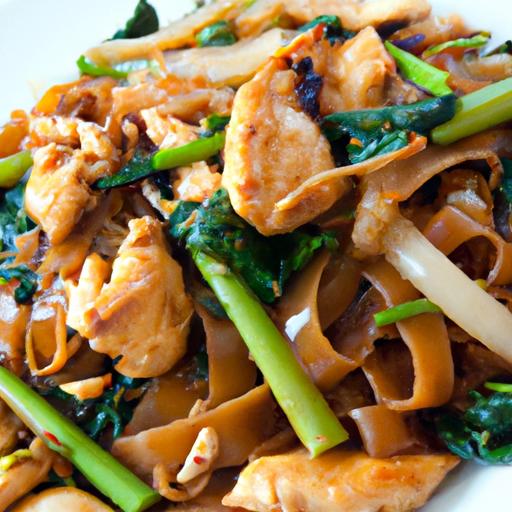
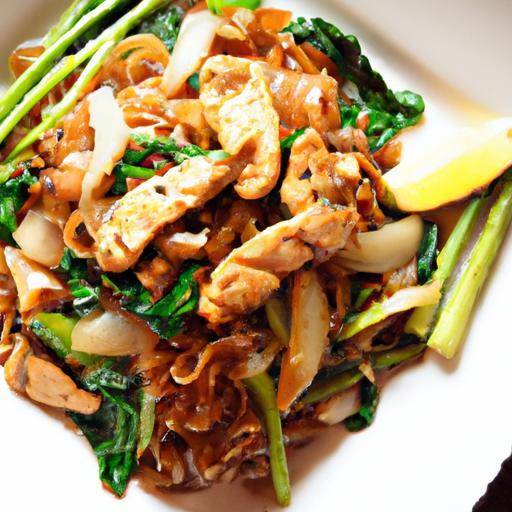
Pad See Ew Unveiled: Stir-fried Soy Sauce Noodles with Chicken is a vibrant journey into the heart of Thai street food culture. This dish perfectly balances smoky, sweet, and savory flavors through a simple yet archly skilled stir-fry technique. Originating from the bustling streets of Bangkok, Pad See Ew has long been a lunchtime favorite, celebrated for its tender chicken, chewy wide rice noodles, and bold soy sauce-infused taste that delivers comfort in every bite.
Origins and Cultural Meaning of Pad See Ew
Hailing from Thailand, Pad see Ew is more than just a speedy, satisfying meal; it’s a staple that reflects the country’s rich culinary craftsmanship. The dish’s name translates to “fried with soy sauce,” emphasizing its defining feature. Traditionally cooked over high heat in a wok, each component contributes to a harmonious blend – from charred noodles to juicy chicken pieces. It carries cultural weight as a popular street food that embodies the Thai principle of balancing textures and flavors, enjoyed by all social classes and found in both street stalls and home kitchens.
Prep and Cook Time
- Preparation Time: 15 minutes
- Cooking Time: 10 minutes
- Total Time: 25 minutes
Yield
Serves 4 hearty portions.
Difficulty Level
Easy to Medium – perfect for home cooks eager to master authentic Thai stir-fry techniques without fuss.
Ingredients
- 8 oz wide rice noodles (fresh or dried, soaked according to package instructions)
- 1 lb boneless, skinless chicken thighs, thinly sliced
- 3 tbsp dark soy sauce (for rich color and mild sweetness)
- 2 tbsp light soy sauce (for salty depth)
- 2 tbsp oyster sauce (adds umami complexity)
- 1 tbsp fish sauce (optional, for authentic saltiness)
- 2 cloves garlic, minced
- 2 large eggs, beaten
- 2 cups Chinese broccoli (gai lan), chopped
- 2 tbsp vegetable oil or peanut oil
- 1 tsp sugar
- Fresh ground white pepper, to taste
Instructions
- prepare the noodles: If using dried rice noodles, soak them in warm water for 30 minutes until pliable but firm. Drain and set aside. Fresh noodles should be gently separated by hand.
- Mix the sauce: In a small bowl, combine dark soy sauce, light soy sauce, oyster sauce, fish sauce, and sugar. Stir well until sugar dissolves.Set aside.
- Heat the wok: Place a wok over high heat until it starts to smoke slightly.Add 1 tablespoon of oil and swirl to coat.
- Cook chicken: Add sliced chicken in a single layer. Stir-fry for about 3-4 minutes until the edges turn golden and the chicken is cooked through. Remove from wok and set aside.
- Garlic and eggs: Return wok to heat, add remaining oil and garlic. Stir quickly until fragrant (about 15 seconds). Push garlic to one side and pour in beaten eggs. Scramble gently until partly cooked.
- Add noodles and sauce: Add the noodles to the wok, drizzle sauce mixture over them, and toss rapidly. Use a spatula to press noodles gently against the wok surface, encouraging caramelization and slight charring, for about 2-3 minutes. This creates the iconic smoky “wok hei.”
- Introduce vegetables and chicken: Add Chinese broccoli and cooked chicken, stirring quickly to combine and heat through, about 1-2 minutes. Season with freshly ground white pepper.
- Final toss and serve: Taste and adjust seasoning if needed. Remove from heat and serve immediately.
Tips for Success
- Use fresh rice noodles when possible for the best chewy texture; dried noodles need soaking, not boiling.
- High heat is critical: never overcrowd your wok; stir-fry in batches to maintain heat and prevent steaming.
- Wok hei (the breath of the wok) emerges from quick, high-heat stir-frying-use a well-seasoned wok or heavy skillet.
- Substitutions: Swap chicken for tofu or shrimp for a different twist.
- Make ahead: Prep sauce and slice chicken beforehand; noodles can be pre-soaked to speed up cooking.
Serving Suggestions
Serve your stir-fried masterpiece on a large platter garnished with a sprinkle of crushed red chili flakes and freshly chopped cilantro for a radiant contrast. A wedge of lime on the side amps up freshness. Pair Pad See Ew with a crisp Thai iced tea or a light lager. Complement this dish with a simple side of Som Tam (Green Papaya Salad) to balance the rich soy flavors with tangy crunch.

| Nutrient | Per Serving |
|---|---|
| calories | 420 kcal |
| Protein | 32 g |
| Carbohydrates | 48 g |
| Fat | 10 g |
Discover more Thai favorites in our extensive guide on Serious Eats – Thai Food Basics to expand your culinary repertoire.
Q&A
Q&A: Pad See Ew Unveiled: Stir-Fried Soy Sauce Noodles with Chicken
Q1: What exactly is Pad See Ew?
A1: Pad see Ew is a beloved Thai street food dish featuring wide rice noodles stir-fried with soy sauce, garlic, Chinese broccoli, and your choice of protein-commonly chicken. The name literally means “fried with soy sauce,” highlighting its savory, slightly sweet flavor profile that keeps food lovers coming back for more.
Q2: How does Pad See Ew differ from other noodle dishes like Pad Thai?
A2: while both are iconic Thai dishes, Pad See Ew offers a deeper, smokier flavor thanks to its caramelized dark soy sauce base and charred noodles. Pad Thai tends to be tangier and sweeter with tamarind and peanuts, whereas Pad See Ew focuses on bold, savory simplicity with robust soy sauce and a chewy noodle texture.
Q3: Why is the chicken version so popular?
A3: Chicken is a perfect canvas for Pad See Ew’s rich flavors-its mild taste soaks up the soy sauce beautifully, complementing the slightly bitter crunch of Chinese broccoli. Plus, chicken cooks quickly, making it ideal for the fast-paced stir-frying that defines this dish’s signature caramelization.
Q4: What makes the noodles in Pad See Ew special?
A4: The noodles are wide, flat rice noodles, thicker than typical rice vermicelli.Their generous surface area allows the soy sauce to cling lovingly, and when stir-fried over high heat, they develop that irresistible smoky char known as “wok hei,” the soul of authentic Pad see Ew.
Q5: Can I make pad See Ew at home without a professional stir-fry wok?
A5: Absolutely! While a wok is ideal for high-heat,quick cooking,a heavy-bottomed skillet or cast-iron pan can do the trick. The key is to stir-fry at high heat to get that characteristic caramelization without steaming the ingredients. Just make sure to prep everything before you start-stir-frying waits for no one!
Q6: What are some tips to achieve authentic flavors?
A6: Use a combination of light and dark soy sauces-the light for saltiness and the dark for color and sweetness. Fresh Chinese broccoli is essential for texture and balance. Don’t overcrowd your pan, and use garlic generously.Lastly, mastering the timing of adding ingredients ensures the chicken remains tender and the noodles get that perfect chewy bite.
Q7: Is Pad See Ew a healthy option?
A7: It can be! Pad See ew balances carbs, protein, and vegetables in a single dish. Using lean chicken and lots of Chinese broccoli boosts protein and fiber, while controlling oil and soy sauce amounts helps keep sodium and calories in check. It’s comfort food with a nutritious kick when prepared mindfully.
Q8: How can vegetarians enjoy Pad See Ew?
A8: Swap the chicken for tofu or mushrooms, and use vegetarian oyster sauce or additional soy sauce to preserve depth of flavor. With the right stir-fry technique, plant-based versions capture the same satisfying chew and bold taste that makes Pad See Ew a Thai favorite.
Q9: Where did Pad See Ew originate?
A9: Originating from the vibrant street food culture of Thailand, Pad See Ew is believed to have Chinese roots introduced by immigrants. It has as evolved into a national staple, enjoyed from bustling markets to upscale Thai restaurants around the world.
Q10: What’s the best way to enjoy Pad See Ew?
A10: Serve it hot off the wok with a squeeze of fresh lime, a sprinkle of chili flakes, and maybe a side of pickled chilies or sliced fresh chilies in vinegar. The contrast of tangy heat brightens the rich soy sauce flavors and elevates every bite into a harmonious dance of taste and texture.
Wrapping Up
As the savory aroma of Pad See Ew lingers in the air, we come to appreciate that this humble stir-fried noodle dish is much more than just a meal-it’s a harmonious blend of textures, flavors, and cultural heritage. From the silky wide rice noodles to the rich, caramelized soy sauce and tender chicken, every bite tells a story rooted in Thai street food tradition. Whether you’re a seasoned foodie or a curious cook eager to explore new tastes, Pad See Ew invites you to savor a delicious slice of Thailand right in your own kitchen. So next time you crave comfort with a twist, let these stir-fried soy sauce noodles take you on a flavorful journey worth repeating.