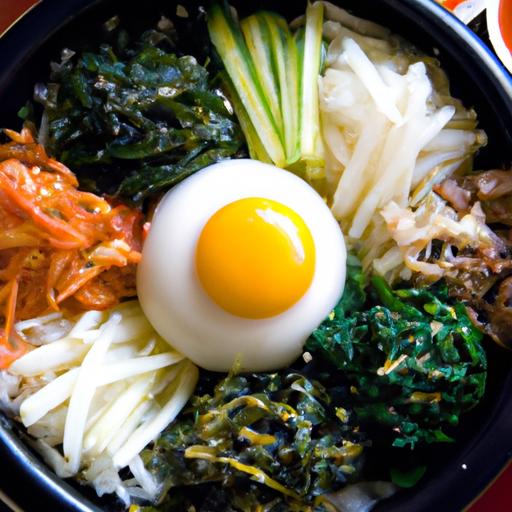

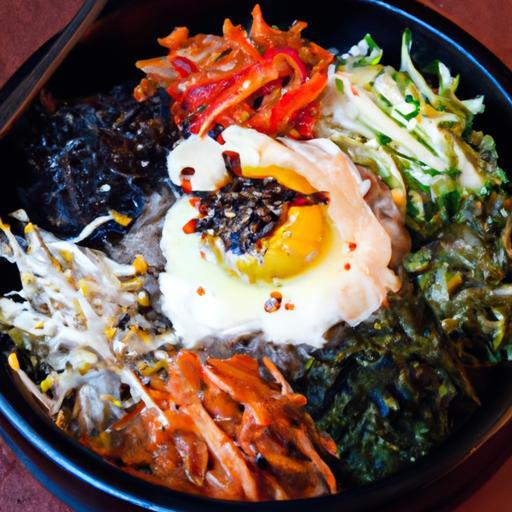
Imagine savoring the vibrant flavors of Korea’s beloved bibimbap, but without the hassle of juggling multiple pots and pans. Enter the one-pot bibimbap-a culinary revelation that brings together colorful vegetables, savory meat, and fragrant rice in a single, effortless dish. this easy Korean mixed rice recipe not only simplifies the cooking process but also delivers an authentic taste that’s both satisfying and visually stunning. Whether you’re a seasoned foodie or a curious beginner, uncover how this streamlined approach transforms a traditional favorite into a weeknight wonder you’ll want to make again and again.
one-pot bibimbap,a vibrant staple from Korean cuisine,brings together a delightful harmony of textures and flavors in a single,satisfying dish. With every spoonful, you experience the warm crunch of crispy rice mingling with fresh, colorful vegetables and tender proteins-all wrapped in the bold embrace of a signature bibimbap sauce. This recipe unveils the secrets to crafting that perfect base,selecting nutrient-packed ingredients,and mastering the art of achieving the irresistible crispy rice layer that makes this dish unforgettable.
Prep and Cook Time
- preparation: 20 minutes
- Cooking: 35 minutes
- Total: 55 minutes
Yield
Serves 4 hearty portions
Difficulty Level
Medium – approachable for home cooks with some basic kitchen experience
Ingredients
- 2 cups short-grain white rice, rinsed until water runs clear
- 3 ½ cups water or low-sodium vegetable broth for more depth
- 1 cup spinach, blanched and squeezed dry
- 1 medium carrot, julienned
- 1 small zucchini, julienned
- ½ cup shiitake mushrooms, thinly sliced
- 1 cup bean sprouts, blanched
- 200g ground beef or tofu for protein
- 2 cloves garlic, minced
- 2 teaspoons toasted sesame oil
- 2 tablespoons vegetable oil for frying
- Salt and freshly cracked black pepper to taste
- 1 large egg per serving (optional)
- For the sauce:
- 3 tablespoons gochujang (Korean chili paste)
- 1 tablespoon soy sauce
- 1 tablespoon rice vinegar
- 1 tablespoon honey or sugar
- 1 teaspoon sesame oil
- 1 teaspoon grated ginger
- 1 teaspoon toasted sesame seeds
Instructions
- Prepare the rice base: In a deep, heavy-bottomed pot, combine the rinsed rice and water or vegetable broth. Bring to a gentle boil, then reduce heat to low and cover tightly. Simmer for 15 minutes.Keep the lid on and let the rice steam for an additional 10 minutes off the heat to finish absorbing moisture. This step ensures fluffy rice, perfect for forming a crisp crust.
- Sauté the vegetables: While rice cooks,heat 1 tablespoon of vegetable oil over medium heat.Separately sauté carrots, zucchini, mushrooms, and spinach until just tender-about 3-4 minutes each. Lightly season with salt. Keep each vegetable separate for that authentic colorful presentation.
- Cook your protein: In the same pan, add remaining oil and sauté ground beef or crumbled tofu with minced garlic. Cook until browned and fragrant, about 6-7 minutes. Season lightly with salt and pepper. Set aside.
- Combine protein and vegetables: Add the sautéed vegetables and protein gently on top of the cooked rice,arranging them in small,distinct clusters for visual appeal and flavor bursts.
- Make the signature bibimbap sauce: Whisk together gochujang, soy sauce, rice vinegar, honey, sesame oil, grated ginger, and toasted sesame seeds in a bowl. Adjust sweetness or spice levels to suit your palate-this sauce is the heart of authentic bibimbap.
- Create the crispy rice layer: Place the pot over medium heat and cook uncovered for 5-7 minutes. You’ll hear the satisfying sizzle as the rice at the bottom begins to crisp beautifully. Avoid stirring to allow a golden crust to develop.
- Fry the eggs (optional): In a separate pan, fry sunny-side up eggs with a slightly runny yolk to crown each serving. The richness of the egg yolk melds perfectly with the bibimbap sauce and crispy rice texture.
- To serve: Scoop bibimbap into bowls, topping each with a fried egg and a generous drizzle of the signature sauce. Garnish with a sprinkle of sliced green onions and extra toasted sesame seeds for an elevated finish.
Tips for Success
- Rice choice: Using short-grain rice is key as it clumps just enough to crisp, avoiding the loose texture of long-grain varieties.
- Broth substitution: Replace water with vegetable or chicken broth for an added depth of flavor in the base.
- Vegetable variation: Customize with kale, bell peppers, or even kimchi for a spicy twist.
- Protein swaps: For vegetarian options, firm tofu or tempeh work beautifully; marinate beforehand for richness.
- Crispy rice technique: Use a heavy-bottomed, non-stick pot to evenly distribute heat. Patience here creates the sought-after texture.
- Make-ahead: Prep and season vegetables, protein, and sauce up to a day in advance. Assemble and crisp just before serving for fresh vibrancy.
Serving suggestions
Present your one-pot bibimbap in deep bowls to showcase the colorful vegetable medley. Add a side of kimchi for traditional Korean zest or lightly pickled radishes for brightness. Serve with a light miso soup and hot green tea to balance the bold flavors. Encourage guests to mix everything thoroughly to awaken the sauce and celebrate the dish’s harmonious textures.

| nutrient | Per Serving |
|---|---|
| Calories | 480 |
| Protein | 25g |
| Carbohydrates | 62g |
| Fat | 12g |
for further inspiration on Korean cuisine, explore our Kimchi Pancakes Recipe, or deepen your understanding of Korean chili paste with this extensive guide from Maangchi.
Q&A
Q&A: One-Pot Bibimbap – Easy Korean Mixed Rice Recipe Unveiled
Q1: What is bibimbap and why is it so popular in Korean cuisine?
A: Bibimbap, literally meaning “mixed rice,” is a vibrant Korean dish that combines steamed rice with an assortment of sautéed vegetables, seasoned meat, a fried egg, and spicy gochujang sauce. It’s popularity stems from its beatiful presentation, harmonious flavors, and the joy of mixing everything together just before eating-making every bite a delightful experience.
Q2: How does the one-pot bibimbap differ from the traditional version?
A: Traditional bibimbap often involves preparing every vegetable and component separately, then assembling them in a bowl.The one-pot version simplifies this by cooking everything together in a single vessel-saving time, dishes, and effort-while still achieving that signature mix of textures and flavors.
Q3: What are the key ingredients needed for a one-pot bibimbap?
A: The essentials include short-grain rice,a variety of vegetables like spinach,carrots,zucchini,and mushrooms,protein such as ground beef or tofu,garlic,soy sauce,sesame oil,and gochujang (korean chili paste). A perfectly fried egg on top adds richness and completes the dish.
Q4: Can I customize the vegetables and proteins in the one-pot bibimbap?
A: Absolutely! One of bibimbap’s charms is its versatility. Feel free to swap in your favorite veggies or try different proteins like chicken, shrimp, or tempeh. The recipe adapts beautifully to seasonal produce and dietary preferences.
Q5: Is the one-pot method healthy compared to traditional cooking?
A: Yes! cooking bibimbap in one pot often uses less oil and reduces nutrient loss by minimizing separate cooking steps. Plus, the dish is naturally balanced with grains, vegetables, and protein, offering a nutritious and well-rounded meal.
Q6: How do I achieve the crispy rice layer in a one-pot bibimbap?
A: The coveted crispy bottom,or “nurungji,” forms by cooking the rice undisturbed over medium-low heat toward the end. Using a good-quality, heavy-bottomed pan helps develop that golden crust, adding lovely texture and smoky aroma to your bibimbap experience.
Q7: What’s the best way to serve and enjoy one-pot bibimbap?
A: Once cooked, scoop a generous dollop of gochujang on top, crack the fried egg over it, and mix everything thoroughly before eating. The vibrant colors and spicy, savory flavors blend beautifully with the rice, making each bite an adventure of taste and texture.
Q8: Can beginners easily prepare one-pot bibimbap at home?
A: Definitely! This recipe is designed for simplicity without sacrificing authenticity. With a few basic ingredients and steps, beginners can whip up a appetizing, comforting Korean classic without feeling overwhelmed.
Q9: Were can I find gochujang and other authentic ingredients?
A: Look for gochujang in Korean or Asian grocery stores, or online specialty retailers. Many supermarkets now offer Korean condiments as well.Authentic sesame oil and soy sauce can also be found in the international aisle.
Q10: Why is one-pot bibimbap a perfect meal for busy weeknights?
A: It’s swift, nutritious, and satisfying-all cooked in one pot for easy cleanup. You get a nutritious bowl bursting with flavor and colour,perfect for nourishing your body and soul after a long day,without the hassle of elaborate prep.
Ready to dive into Korean comfort food with minimal fuss? One-pot bibimbap unlocks a world of flavor in a single, easy dish-truly a kitchen marvel!
In Conclusion
In the vibrant world of Korean cuisine, one-pot bibimbap stands out as a masterstroke of simplicity and flavor, bringing together an orchestra of textures and tastes in a single, effortless dish. Whether you’re a seasoned home cook or a curious beginner, this easy Korean mixed rice recipe invites you to experience the magic of layering wholesome ingredients without the fuss of multiple pots and pans.
As you embark on your own bibimbap adventure, remember that the beauty of this dish lies not just in its components, but in the joyful ritual of mixing it all together-transforming humble staples into a harmonious celebration of color, aroma, and tradition. So, gather your favorite vegetables, savor the sizzle, and dive into a bowl that’s as nourishing to the soul as it is to the stomach. One pot, endless possibilities.