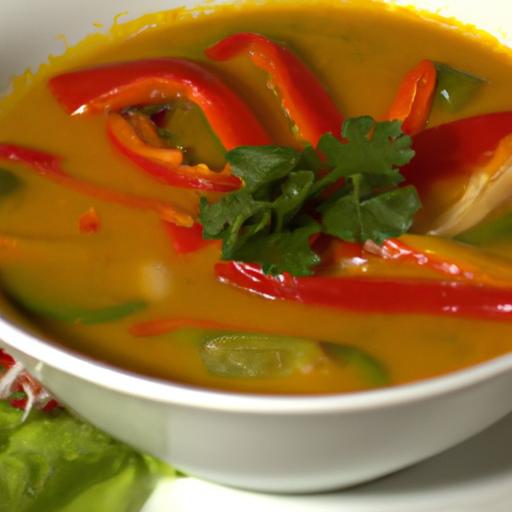

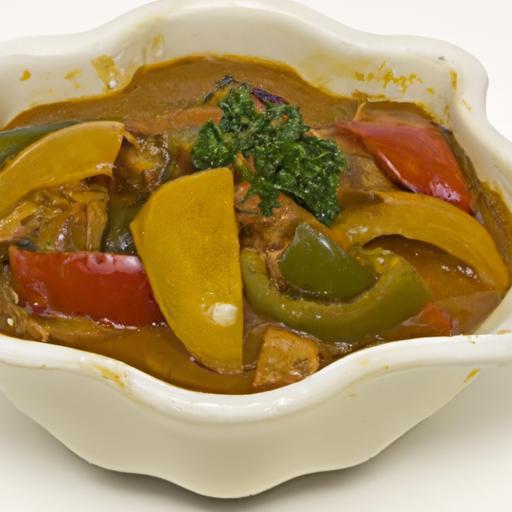
Bursting with vibrant flavors and aromatic spices, Thai red curry is a symphony for the senses-rich, spicy, and deeply comforting.But when vegetables take center stage, this classic dish transforms into a colorful, wholesome festivity of nature’s bounty. In Savor the Spice: A Complete Guide to Vegetable Thai Red Curry, we’ll journey through the heart of Thai cuisine, unraveling the secrets behind its signature red curry paste, exploring the perfect medley of vegetables, and mastering the balance of creamy coconut milk with fiery chili heat. Whether you’re a seasoned cook or a curious foodie, prepare to awaken yoru palate and elevate your home cooking with a dish that’s as nourishing as it is delicious.
Understanding the Aromatic Foundations of Thai Red Curry
Savor the spice is all about unlocking the vibrant layers that make Thai red curry truly unforgettable. at its heart lies a fragrant medley of herbs and spices-lemongrass, galangal, kaffir lime leaves, and dried red chilies-pounded together to create a lively paste that teases the senses. This aromatic base is the soul of the dish, infusing every bite with a balance of citrusy brightness, earthy warmth, and a subtle hint of sweetness.
When shopping for your curry paste, opt for a fresh batch or prepare your own at home. Toasting the dry spices lightly before blending enhances their oils,elevating the complexity of flavors. This foundation is crucial, setting the stage for the vegetables and creamy coconut to harmonize beautifully.
Selecting the Perfect Vegetables for Vibrant Flavors
The real magic of vegetable Thai red curry shines through in the garden-fresh produce you choose. Look for bold, colorful vegetables that bring texture and freshness-crisp red bell peppers, tender baby corn, earthy eggplants, and luminous green snap peas work beautifully.Each vegetable contributes its own voice: the sweetness of carrots, the crunch of bamboo shoots, and the mild creaminess of cauliflower all create layers of sensation.
For an extra pop of color and nutrition, add cherry tomatoes or chunks of butternut squash.This variety turns your curry into a true feast for the eyes and palate,making every spoonful an exciting adventure.
Crafting the Ideal Coconut Curry Base for Depth and Creaminess
A silky, luscious coconut base is what transforms your curry from simply tasty to irresistibly comforting. Start with rich, full-fat coconut milk and simmer it gently with your red curry paste to coax out its natural sweetness and creaminess. This process softens the spice’s edge while deepening the curry’s flavor profile.
Add a splash of vegetable broth for balance and stir occasionally to prevent the coconut milk from separating. Don’t rush this part-allowing the base to meld brings out the luxurious texture that clings perfectly to your vegetables.
Tips for Balancing Heat and Sweetness to Elevate Your Dish
Balancing the bold heat of Thai red curry with just the right touch of sweetness is key to making every dish sing. after simmering, taste your curry and adjust by adding natural sweeteners like palm sugar or honey to tame the spiciness without muting it. Lime juice or tamarind paste adds a bright, tangy counterpoint that lifts the entire dish.
If you prefer a milder curry, incorporate coconut cream rather of milk to soften the fire while enriching texture.Remember, layering these elements slowly while tasting ensures your curry hits that perfect harmony between spicy, sweet, and tangy-delivering a deeply satisfying experience every time.
prep and Cook Time
- Readiness: 20 minutes
- Cooking: 25 minutes
- Total: 45 minutes
Yield
Serves 4 generous portions
Difficulty Level
Medium – approachable for home cooks with some familiarity in Thai cooking
Ingredients
- 2 tbsp Thai red curry paste (homemade or store-bought)
- 1 can (13.5 oz) full-fat coconut milk
- 1 cup vegetable broth
- 1 medium red bell pepper, sliced thin
- 1 cup baby corn, halved
- 1 small eggplant, cubed
- 1 cup snap peas, trimmed
- 1 medium carrot, julienned
- 1 tbsp palm sugar (or brown sugar)
- 1 tbsp tamarind paste
- 2 kaffir lime leaves, torn
- 1 tbsp vegetable oil
- 1 tbsp lime juice
- Fresh Thai basil and cilantro for garnish
- Cooked jasmine rice, to serve
Instructions
- Heat the oil in a large skillet or wok over medium heat. Add the Thai red curry paste and sauté until fragrant, about 2 minutes, stirring frequently to avoid burning.
- Pour in the coconut milk and vegetable broth, stirring to combine. Bring mixture to a gentle simmer to allow flavors to bloom and the sauce to thicken slightly, about 5 minutes.
- Add the kaffir lime leaves, palm sugar, and tamarind paste. Stir well, tasting frequently to balance the heat and sweetness.
- Introduce the vegetables starting with the denser ones like eggplant, carrots, and baby corn. Simmer for 7 minutes until they begin to soften.
- Add the bell pepper and snap peas, cooking for an additional 5 minutes until all the vegetables are tender yet crisp.
- Remove from heat, stir in the lime juice to brighten flavors.
- Garnish with fresh Thai basil and cilantro before serving hot alongside fluffy jasmine rice.
Tips for Success
- Make your own curry paste: blending fresh ingredients like garlic, shallots, lemongrass, and dried chilies yields the most vibrant flavor.
- Adjust vegetables seasonally: snow peas, zucchini, or mushrooms are excellent alternatives.
- Control spice level: add curry paste gradually and taste as you cook.
- Make ahead tip: Prepare the curry base a day in advance; flavors deepen beautifully overnight.
- For creamier curry: stir in a few tablespoons of coconut cream just before serving.
Serving Suggestions
Serve your Thai red curry in deep bowls over steamed jasmine rice or fragrant coconut rice. Garnish with a scattering of freshly chopped Thai basil and cilantro to add vibrant green pops. For added texture, sprinkle toasted cashews or chopped peanuts on top. pair with a light, crisp Thai cucumber salad or fresh mango slices to complement the spice and bring balance to your meal.
| Nutrient | Per Serving |
|---|---|
| Calories | 320 kcal |
| protein | 6 g |
| Carbohydrates | 32 g |
| Fat | 18 g |
Explore our guide to Thai green curry for a fresh twist or enrich your knowlege with this detailed breakdown of Thai red curry flavors by Serious Eats.

Q&A
Q&A: Savor the spice – A Complete Guide to Vegetable thai Red Curry
Q1: What makes Thai red curry unique among other curry varieties?
A1: Thai red curry is a vibrant symphony of flavors, renowned for its rich, aromatic red chili paste crafted from sun-dried red chilies, garlic, lemongrass, and a medley of spices. Unlike other curries, its base is luscious coconut milk, lending a creamy texture that perfectly balances the fiery heat, creating a dish that’s both bold and soothing.
Q2: Can you explain the heart of a vegetable Thai red curry? What ingredients bring it to life?
A2: At its core, vegetable Thai red curry thrives on fresh, colorful veggies like eggplant, bell peppers, bamboo shoots, and green beans. These are enveloped in a fragrant sauce made from red curry paste, creamy coconut milk, kaffir lime leaves, and a hint of fresh basil. The harmonious blend of these ingredients creates layers of flavor-sweet, spicy, tangy, and earthy-that dance on your palate.
Q3: How spicy is Thai red curry typically, and can it be adjusted for different heat preferences?
A3: Customary Thai red curry carries a moderate to high heat level thanks to the red chilies in the curry paste. However, spice is an art, not a mandate. Adjusting the quantity of curry paste or adding additional coconut milk can tame the heat for milder tastes. Conversely, throw in fresh slices of chili or a dash of chili oil to ignite a fierier kick.
Q4: What’s the best way to prepare the curry paste if I want to make it from scratch?
A4: Crafting red curry paste from scratch is a rewarding ritual. Begin by pounding together dried red chilies, garlic, shallots, galangal, lemongrass, kaffir lime zest, coriander root, cumin, and shrimp paste (which can be omitted for vegans). This mortar-and-pestle method releases essential oils, unlocking deep, vibrant aromas that jarred pastes can’t quite replicate.
Q5: Are ther any tips for cooking vegetable Thai red curry to keep the veggies tender yet vibrant?
A5: Absolutely! Add vegetables that cook at different speeds in stages-denser veggies like carrots and green beans go in early, while delicate ones like bell peppers and fresh herbs are stirred in last. Simmer gently rather of boiling hard to preserve texture and color, and finish with a splash of lime juice to brighten everything beautifully.
Q6: What are some perfect accompaniments to serve alongside vegetable Thai red curry?
A6: The classic companion to this saucy delight is fluffy jasmine rice, which soaks up every drop of the luscious curry. For a twist, try sticky rice or even quinoa for extra texture. A side of crisp cucumber salad or pickled vegetables can add refreshing crunch and balance the richness of the dish.
Q7: Can this curry be made vegan and still retain authentic flavors?
A7: Definitely! by omitting shrimp paste and fish sauce-replacing fish sauce with soy sauce or tamari-and ensuring the curry paste is shrimp-free, you can achieve an authentically flavorful vegan red curry. The magic lies in fresh herbs, spices, and that creamy coconut base, which together deliver a truly satisfying plant-based feast.
Q8: How can I store leftover Thai red curry, and does it taste better the next day?
A8: Store your leftover curry in an airtight container refrigerated for up to three days. Like many stews and curries, the flavors meld and deepen overnight, often resulting in an even more luscious, harmonious taste the next day. Gently reheat on low to preserve the delicate textures and aromas.
Q9: What cultural significance does Thai red curry hold in Thailand’s culinary landscape?
A9: Thai red curry is more than a meal-it’s a reflection of Thailand’s rich tapestry of regional ingredients and culinary traditions. It represents the perfect balance of yin and yang in Thai cuisine: spicy yet sweet, creamy yet fragrant.Often featured in family dinners and special occasions alike, it embodies the Thai philosophy of harmony in food.
Q10: Where should a curious foodie start if they want to master vegetable Thai red curry at home?
A10: Begin by sourcing authentic ingredients-even if it means seeking out Asian markets or specialty stores. Experiment with homemade curry paste for that true depth of flavor, and embrace the art of balancing spice, sweetness, and acidity. Remember, patience in simmering and a genuine love of fresh veggies will guide you to curry perfection!
In Summary
As the vibrant flavors of Thai red curry dance on your palate, it’s clear that this dish is more than just a meal-it’s an experience. By embracing the harmony of aromatic spices, fresh vegetables, and rich coconut milk, you unlock a bowl that’s both comforting and adventurous. Whether you’re a seasoned cook or a curious foodie, crafting your own vegetable Thai red curry invites you to savor tradition while making it uniquely yours. So next time you crave something bold, colorful, and deeply satisfying, remember: the secret to remarkable flavor is just a spoonful away. Happy cooking,and may your kitchen always be filled with the irresistible scent of spice!