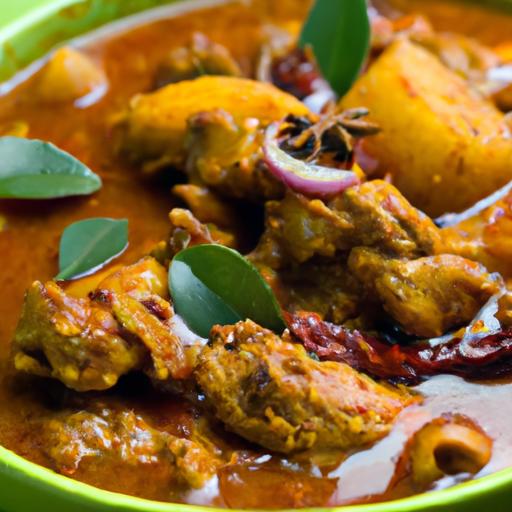

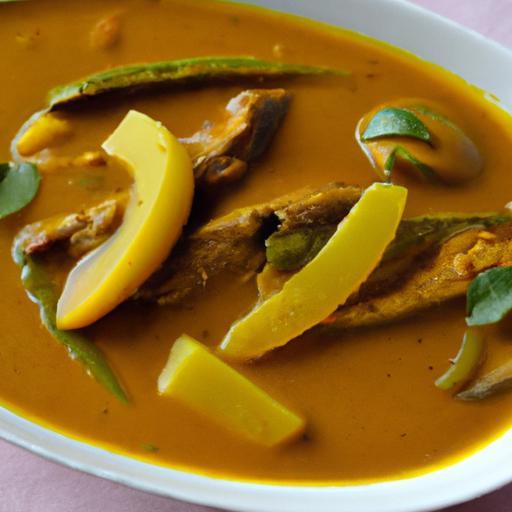
Nestled along the vibrant shores of India’s western coast lies a culinary treasure that’s as distinctive as the sea breeze itself-Bombay duck Curry. Despite its unusual name, this coastal Indian dish is a party of bold flavors and age-old traditions, weaving together the briny essence of the ocean with the rich spices that define regional Indian cooking.
In this article, we’ll dive deep into the story behind Bombay Duck Curry, exploring its unique ingredients, cultural meaning, and the tantalizing taste that has made it a beloved favorite among seafood enthusiasts and food adventurers alike.Prepare to embark on a flavorful journey to the heart of Maharashtra’s coastal kitchens,where every bite tells a story of the sea.
Origins and Cultural Significance of Bombay Duck Curry in Coastal India
Bombay Duck Curry is a quintessential coastal Indian delicacy that carries the aromas, flavors, and stories of the bustling shores of Maharashtra and gujarat. Despite its curious name, Bombay Duck is not a bird but a soft, flaky dried fish called Bombil, caught abundantly along the Arabian Sea. This beloved dish symbolizes the rich maritime heritage of Mumbai and its coastal communities where fishing is more than a livelihood-it’s a way of life.
The preparation of Bombay Duck Curry is deeply embedded in the culinary traditions of coastal India, often served during festivals and family gatherings, celebrating the bounty of the sea. For generations, this curry has brought families together through shared meals brimming with tangy, spicy, and savory notes that reflect the region’s palate-bold with red chilies, tangy kokum, and the unmistakable fragrance of fresh coconut. It’s a dish that tells a story with every bite, connecting modern cooks to centuries-old coastal cooking rituals.
Key Ingredients and Flavor Profiles That Define This Coastal Classic
Making authentic Bombay duck Curry means embracing a harmonized blend of ingredients that balance heat, acidity, and umami. The star is the delicate dried Bombay Duck fish, prized for its soft texture and distinct seafood scent after soaking. The curry base is a luxurious tapestry of fresh coconut milk, giving it a creamy texture, enriched by the tartness of kokum or tamarind, essential to cutting through the richness. Aromatic mustard seeds, curry leaves, and garlic add layers of flavor, while red chili powder and turmeric bring warmth and an inviting golden hue.
Customary recipes also incorporate fresh green chili for bursts of heat and ginger to impart a subtle zest. The marriage of these ingredients results in a luscious, tangy, and mildly spicy curry that complements the fish’s natural brininess.
Step-by-Step Guide to Preparing Authentic Bombay Duck Curry at Home
Embark on an aromatic culinary journey with this approachable Bombay Duck Curry recipe. By following these detailed steps, you’ll recreate a coastal classic that’s both comforting and impressive.
Prep and Cook Time
- Preparation: 20 minutes
- Cooking: 30 minutes
- total time: 50 minutes
Yield
Serves 4 generously
Difficulty Level
Medium – Perfect for cooks familiar with Indian spice blends but approachable for adventurous beginners
Ingredients
- 250g dried Bombay Duck fish (Bombil), soaked in warm water for 20 minutes and drained
- 1½ cups fresh coconut milk (thick)
- 1 tablespoon mustard seeds
- 10 fresh curry leaves
- 2 tablespoons vegetable oil
- 1 large onion, finely chopped
- 4 garlic cloves, minced
- 1 inch ginger, grated
- 2-3 dried red chilies, soaked and ground to a paste or 1 teaspoon red chili powder
- 1 teaspoon turmeric powder
- 1 tablespoon coriander powder
- ½ teaspoon cumin powder
- 1 tablespoon kokum petals (or 2 teaspoons tamarind paste)
- Salt, to taste
- 1 green chili, slit (optional)
- Fresh coriander leaves, chopped for garnish
Instructions
- Prepare the fish: After soaking the dried Bombay Duck, rinse gently and pat dry. Handle carefully to prevent the fish from breaking apart.
- Temper spices: Heat oil in a deep pan over medium heat. Add mustard seeds and wait till they crackle. Then add curry leaves and dried red chili paste or whole dried red chilies. Sauté for 30 seconds to infuse the oil.
- sauté aromatics: Add finely chopped onions, sautéing until golden brown and caramelized, about 7-8 minutes. Stir occasionally to prevent sticking.
- Add ginger and garlic: Stir in minced garlic and grated ginger, cooking for another 2 minutes until fragrant.
- Spice it up: Mix turmeric, coriander, and cumin powders. Stir well and cook for a minute to roast the spices lightly.
- Add kokum or tamarind: Pour in the kokum petals (soaked in warm water for a few minutes and strained) or tamarind paste along with 1 cup water. Simmer for 5 minutes to blend flavors.
- Cook the fish: Gently add the bombay Duck pieces, coating them with the curry base. Cover and simmer on low heat for 10-12 minutes, allowing fish to absorb the flavors, stirring carefully once to avoid fragmentation.
- Incorporate coconut milk: lower the heat and stir in fresh coconut milk slowly. Cook uncovered for 5 more minutes; do not boil vigorously, or the coconut milk may curdle.
- Season and garnish: Adjust salt to taste. Add the slit green chili if desired for extra heat. Finish with freshly chopped coriander leaves.
Pairing Suggestions and serving Tips to Elevate Your Dining Experiance
Bombay Duck Curry reaches its full potential when paired thoughtfully. traditionally served with steamed white rice or goan sannas (fluffy fermented rice cakes), it can also be enjoyed with milky, warm appams or simple chapatis for a different but equally appetizing experience.
for added texture and freshness, accompany the curry with a side of thinly sliced raw onions dressed in lemon juice or a crispy papad. A small bowl of cooling cucumber raita complements the mildly spicy and tangy profile beautifully, balancing the palate.
Garnish with extra fresh coriander and a wedge of lime to brighten each serving. For visual appeal, serve the curry in vibrant earthenware bowls or rustic stainless steel plates, echoing its coastal origins.
Chef’s Notes & Tips for Success
- Substitutions: If bombay Duck is unavailable, use a soft white fish like pomfret or kingfish, but the flavor will be milder.
- Preserving texture: Avoid overhandling the fish; Bombay Duck is delicate and breaks easily.
- Spice level: Adjust red chili powder and green chili according to your heat tolerance.
- make ahead: The curry tastes better the next day, allowing flavors to meld; refrigerate and reheat gently.
- Fresh coconut milk: Using freshly grated and squeezed coconut milk elevates the richness and authenticity significantly.
| Nutrient | Per Serving |
|---|---|
| calories | 320 kcal |
| Protein | 28 g |
| Carbohydrates | 10 g |
| Fat | 18 g |
 fresh coriander leaves” class=”wp-image-1234″ style=”max-width:100%; height:auto; margin-top:20px;”>
For those curious about exploring more coastal Indian flavors, check out our detailed Goan Fish Curry recipe that shares the same aromatic magic using fresh catch from the sea. to learn about the unique cooking techniques and history of dried seafood in India, visit Indian Food Site’s seafood history article.
Q&A
Q&A: Bombay Duck Curry – A Flavorful Coastal Indian Delight
Q1: what exactly is Bombay Duck Curry?
A1: Despite its name, Bombay Duck isn’t a duck at all-it’s actually a type of fish found along the west coast of India, particularly in Maharashtra and goa. Bombay Duck curry is a tantalizing coastal dish where this unique fish is cooked in a rich, tangy, and spicy gravy, embodying the vibrant flavors of Indian seaside communities.
Q2: Why is Bombay Duck called “Duck” if it’s a fish?
A2: The name “Bombay Duck” is believed to have originated during the British colonial era.One popular theory is that the pungent smell of the dried fish reminded British railway officials of the smell of mail trains (“dak” meaning mail). Over time, “Bombay Dak” morphed into “Bombay Duck.” So, it’s more of a quirky nickname than a literal description!
Q3: What makes Bombay Duck curry special compared to other fish curries?
A3: Bombay Duck has a soft, delicate flesh that almost melts in your mouth when cooked right.The curry itself is a masterclass in coastal Indian cuisine-with a balance of sourness from kokum or tamarind,heat from green chilies,and aromatic spices like coriander,cumin,and mustard seeds. The earthy flavors of fresh coconut or grated coconut sometimes add richness, making every bite a soulful experience.
Q4: How is Bombay Duck Curry traditionally prepared?
A4: Traditionally, the fish is cleaned and cut into pieces, then marinated lightly with turmeric and salt. The curry base is crafted carefully by tempering mustard seeds and curry leaves in oil, then sautéing onions, garlic, ginger, and spices. Tamarind pulp or kokum adds acidity, while fresh coconut or coconut milk enriches the sauce. The fish pieces simmer gently in the curry, absorbing these flavors and emerging tender and flavorful.
Q5: Is Bombay Duck Curry a regional specialty?
A5: Absolutely! It’s a coastal treasure of Maharashtra and Goa. Each household might have its own twist-some prefer it dry and spicy, others in a soupy, tangy gravy. the curry perfectly reflects the sea’s bounty and the culinary heritage of India’s western coast.
Q6: Can Bombay duck Curry be made with other fish?
A6: While the distinctive taste and texture of Bombay Duck make the dish uniquely special, you can substitute it with similar soft-fleshed fish like pomfret, mackerel, or kingfish. Though, purists agree that nothing quite matches the authentic flavor profile of Bombay Duck.
Q7: What’s the best way to enjoy Bombay Duck Curry?
A7: This curry is a perfect match for steaming hot rice, especially fluffy basmati or local red rice. Some coastal aficionados also enjoy it with appams (rice pancakes) or traditional Indian breads like chapati. Pair it with a squeeze of fresh lime and a side of crunchy fried vegetables for a complete coastal feast.
Q8: Is Bombay Duck Curry healthy?
A8: Yes! Bombay Duck is a lean fish, rich in protein and omega-3 fatty acids.The curry’s ingredients-like turmeric, garlic, and ginger-have anti-inflammatory properties.Plus, it’s usually cooked with minimal oil and fresh spices, making it a wholesome, nutritious meal option.
Q9: Where can one try authentic Bombay Duck Curry?
A9: The best places to savor authentic Bombay Duck Curry are local coastal eateries in Mumbai, Ratnagiri, Alibaug, and Goa. For the adventurous at home,many recipes are available online to recreate this coastal delight in your own kitchen.
Q10: Any tips for someone cooking Bombay Duck Curry for the first time?
A10: Handle Bombay Duck gently as it’s a delicate fish. Don’t overcook it to avoid it turning mushy. Use fresh ingredients-especially for tamarind or kokum-to get that perfect tang. And remember, the magic of this dish lies in balancing the flavors: spice, sourness, and aroma-so taste as you go and adjust accordingly.
Bombay Duck Curry is much more than a dish; it’s a celebration of India’s coastal flavors and culture,inviting food lovers everywhere to dive into its rich,aromatic depths.
Final Thoughts
From the bustling shores of Mumbai to the comfort of your kitchen, Bombay Duck Curry stands as a vibrant testament to India’s rich coastal heritage. this dish, with its tender fish and deeply spiced, tangy gravy, invites you to savor more than just a meal-it offers a flavorful journey through tradition, culture, and the sea. Whether your a seasoned food lover or a curious culinary explorer, Bombay Duck Curry promises a delightful fusion of taste and history that’s truly unforgettable. So why not dive in and let this coastal treasure become a cherished part of your own dining repertoire?