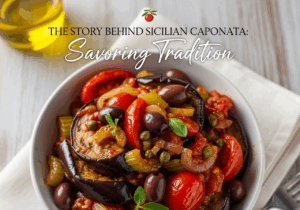

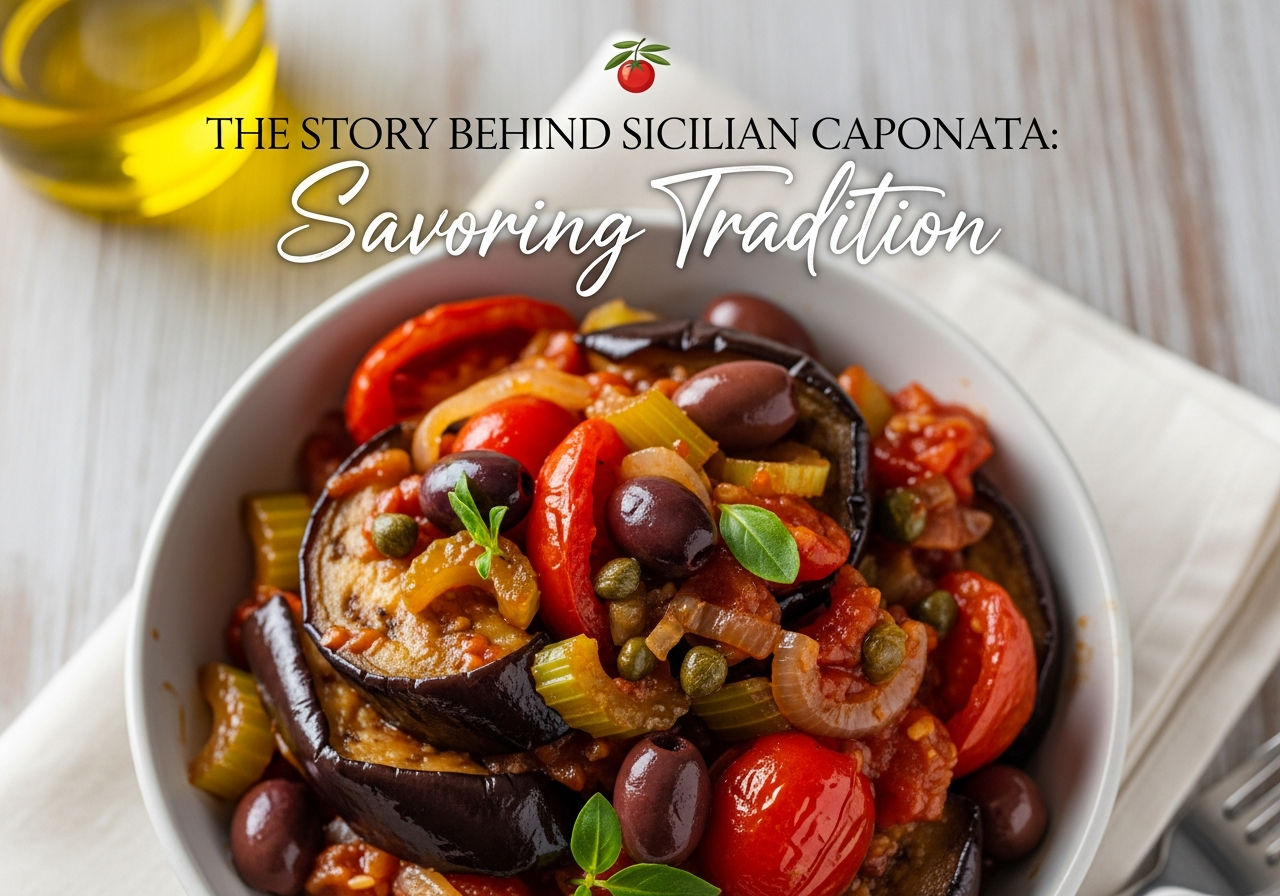
Beneath the sun-drenched skies of Sicily, where ancient cultures intertwine and the sea breeze carries whispers of history, there exists a humble dish that tells a story as rich and vibrant as the island itself. Caponata, with its colorful medley of eggplants, tomatoes, olives, and capers, is far more than just a Sicilian side dish-it is a festivity of tradition, resilience, and the artistry of slow, mindful cooking.
In this exploration of Sicilian caponata, we peel back the layers of time and taste too reveal how this tangy, sweet, and savory mosaic became a beloved symbol of Sicily’s culinary heritage, connecting generations through every bite. Join us as we savor tradition and uncover the captivating story behind one of Sicily’s most iconic and enduring recipes.
Sicilian Caponata captures the very essence of Mediterranean flavors with its vibrant medley of tangy, sweet, and savory notes. This humble yet iconic dish has been a staple in Sicilian homes for centuries, offering a flavorful portrayal of the island’s rich agricultural heritage and cultural tapestry. Each bite of Caponata is a celebration of tradition, born from a blend of fresh vegetables, capers, olives, and a distinctive sweet and sour sauce that tells stories of ancient trade routes and culinary ingenuity.
Prep and Cook Time
- Preparation: 25 minutes
- Cooking: 40 minutes
- Total Time: 1 hour 5 minutes
Yield
- Serves 6 as an appetizer or side dish
Difficulty Level
- Medium – perfect for home cooks ready to take on authentic Sicilian flavors
Key Ingredients That Define Authentic flavor
- 2 large eggplants, diced into 1-inch cubes
- 1 large onion, thinly sliced
- 3 ripe tomatoes, peeled and chopped or 1 cup canned crushed tomatoes
- 2 celery stalks, thinly sliced
- 1/2 cup pitted green olives, sliced
- 3 tbsp capers, rinsed
- 1/4 cup red wine vinegar
- 2 tbsp sugar (preferably cane or raw)
- 1/4 cup extra virgin olive oil
- Fresh basil leaves, to garnish
- Salt and freshly ground black pepper, to taste
- Pine nuts or chopped toasted almonds (optional for garnish)
Step-by-Step Guide to Crafting Perfect Caponata at Home
- Prepare the Eggplant: Salt the diced eggplant and place it in a colander for 20 minutes to draw out bitterness and excess moisture.Rinse and pat dry thoroughly with kitchen towels.
- fry the Eggplant: Heat 2 tablespoons of olive oil in a large skillet over medium heat.Fry the eggplant cubes until golden and tender, about 7-8 minutes. Transfer to a paper towel-lined plate to drain excess oil.
- Sauté Aromatics: In the same skillet, add the remaining olive oil and sauté the sliced onion and celery until translucent and fragrant, about 5 minutes.
- Add Tomatoes and Sweetness: Stir in the chopped tomatoes, then add the sugar and red wine vinegar. Simmer gently for 10 minutes, allowing the flavors to meld and the sauce to thicken.
- Combine and Season: Return the fried eggplant to the pan, then fold in the capers and olives. Cook for an additional 5-7 minutes, stirring gently to avoid breaking up the vegetables. Season generously with salt and pepper.
- Cool and Marinate: Transfer the Caponata to a serving bowl and let it cool to room temperature. For best results, refrigerate for at least 2 hours or overnight to deepen flavors.
Chef’s notes and Tips for Success
- Eggplant Tip: Use a firm, shining eggplant with smooth skin for the freshest taste. Salting is crucial to remove bitterness but do not skip drying thoroughly or the oil will splatter.
- Sugar and Vinegar Balance: Adjust the sugar and vinegar amounts to suit your palate – this balance is what gives Caponata its signature sweet and sour profile.
- Make-Ahead: Caponata improves with time and can be made up to 3 days ahead. Store in an airtight container in the fridge.
- Vegetable Variations: Traditional recipes may include bell peppers or raisins; feel free to experiment while keeping the core ingredients intact.
- Oil Control: Use good quality extra virgin olive oil but be mindful to not soak the Caponata too oily-draining fried ingredients helps maintain perfect texture.
Pairing and Serving Suggestions to Elevate Your Meal
Sicilian caponata is incredibly versatile – serve it chilled or at room temperature as a refreshing antipasto atop toasted crusty bread or crostini. Garnish with fresh basil, a sprinkle of toasted pine nuts, or even a few shavings of aged Pecorino Romano to add a savory contrast.
For a heartier meal,pair it alongside grilled fish or roasted chicken,or use it as a vibrant topping for creamy polenta or couscous. A crisp Sicilian white wine like Grillo or a light red such as Frappato will beautifully complement the dish’s layered taste profile.

| Nutrient | Per Serving |
|---|---|
| Calories | 180 kcal |
| Protein | 3 g |
| Carbohydrates | 18 g |
| Fat | 11 g |
For related culinary inspiration, explore our Mediterranean vegetable recipes. For a deeper dive into Caponata’s interesting history and regional variations, the Encyclopaedia Britannica offers an excellent overview.
Q&A
Q&A: Savoring Tradition – The Story Behind Sicilian Caponata
Q1: What is Sicilian Caponata, and why is it considered a quintessential dish of Sicily?
A1: Sicilian caponata is a vibrant, tangy eggplant salad brimming with sweet and sour flavors that dance on the palate. it’s a culinary mosaic of Sicily’s rich cultural past, blending arab, Spanish, and Mediterranean influences into a dish that’s as much about history as it is about taste. More than just a salad, Caponata symbolizes the island’s passion for bold, layered flavors-each bite tells a story of sicily’s sun-drenched land and seafaring traditions.
Q2: Where does the name “Caponata” come from?
A2: The origin of the word “Caponata” is as layered as the dish itself. Some food historians suggest it derives from the ancient Roman word “caupona,” meaning a tavern or an inn, hinting that this tasty stew may have been a staple served to weary travelers. Others beleive it’s a nod to the French word “caponade,” meaning a spicy sauce. Either way, the name evokes a sense of rustic comfort and communal sharing-a culinary welcome to Sicilian hospitality.
Q3: What are the key ingredients that define Caponata?
A3: The soul of Sicilian Caponata lies in its harmony of textures and tastes. the star ingredient is, of course, the humble eggplant, lovingly fried or sautéed until tender. This earthy base is brightened with tomatoes, celery, olives, capers, and sometimes pine nuts or raisins-each adding a layer of complexity. A vinegar and sugar glaze ties everything together, imparting that signature sweet-and-sour tang that makes Caponata irresistibly unique.
Q4: how has Sicilian Caponata evolved over time?
A4: Caponata is a living recipe, simmering through the centuries. Originally a simple peasant’s dish, it absorbed ingredients brought by conquerors and merchants-from the Arabs’ introduction of eggplants and spices, to Spanish influence adding vinegar and sweetness. Today, each family and town often guards its own secret variations, some adding fish, others nuts or different herbs, turning Caponata into a versatile canvas reflecting Sicily’s diverse local identities.
Q5: Why is Caponata more than just a dish in Sicilian culture?
A5: In Sicily, food is storytelling, ritual, and heritage. Caponata is no exception-it’s a dish that brings people together, served warm or at room temperature, often as an appetizer or alongside seafood and grilled meats. Preparing Caponata is an act of love and tradition, passed from generation to generation, connecting families to their roots. It’s a celebration of resilience and resourcefulness, turning simple, seasonal vegetables into a feast of flavor.
Q6: how can someone best enjoy Sicilian Caponata today?
A6: The beauty of Caponata lies in its versatility. Serve it chilled on crisp crostini for an elegant appetizer, mixed with pasta for a hearty main, or as a vibrant side to grilled fish or roasted meats. To savor its full tradition, let it rest for a few hours after preparation-the resting time allows the sweet and sour symphony to meld perfectly.Pair it with a glass of Sicilian Nero d’Avola, and you’re tasting not just a dish, but the spirit of the island itself.
Q7: What makes Sicilian Caponata a timeless dish in the modern culinary world?
A7: Amid today’s rapid food trends and globalization, Caponata remains timeless because it embodies simplicity, balance, and soul. it respects seasonal produce, embraces multicultural influences, and invites creativity while honoring tradition. Its layers of flavor mirror the rich cultural tapestry of Sicily-a dish that continues to inspire chefs and home cooks alike, proving that great food is always a blend of history, place, and heart.
In Retrospect
As the last spoonful of Sicilian caponata melts on the tongue, it becomes clear that this vibrant dish is far more than a simple blend of eggplant, tomatoes, and vinegar. It is a tapestry woven from centuries of history, trade, and culture-each ingredient carrying whispers of the island’s diverse past and the hands that have lovingly tended its recipes through generations. To savor caponata is to taste tradition itself, a celebration of Sicily’s rich heritage served with a tangy, sweet flourish.Whether enjoyed at a bustling market table or recreated in a modern kitchen, caponata invites us to pause, appreciate, and connect with a culinary story that continues to evolve, yet remains deeply rooted in the spirit of the island.