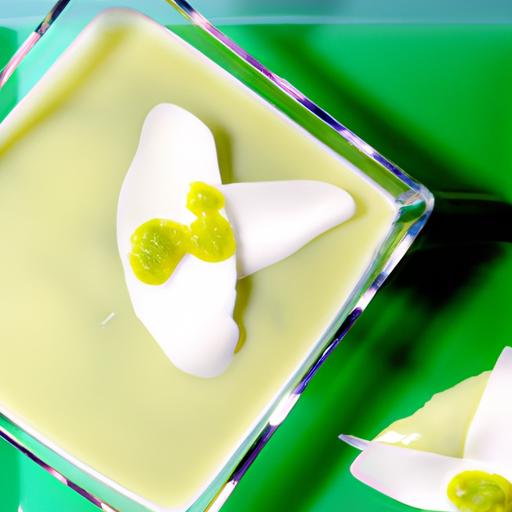

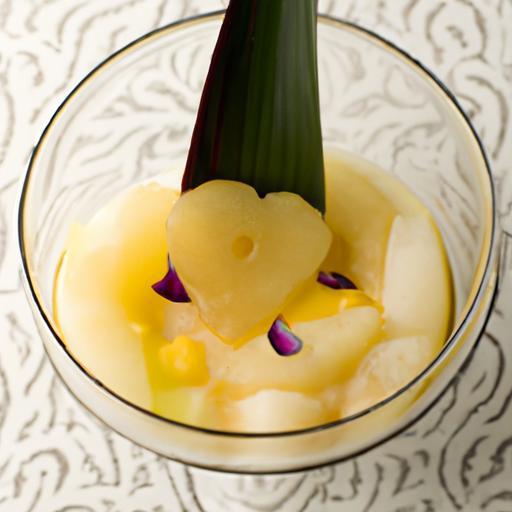
Nestled within the tropical realms where palms sway gently in the breeze, young coconut jelly emerges as a subtle marvel of nature-an exquisite blend of refreshing sweetness and delicate texture that has captivated palates across the globe. Often overshadowed by it’s more famous coconut counterparts, this translucent gelatinous delight offers not only a cool respite from the heat but also a fascinating glimpse into the culinary and cultural wonders surrounding the young coconut.
In this exploration, we dive into the origins, health benefits, and versatile uses of young coconut jelly, unraveling why this hidden gem deserves a celebrated spot on your list of refreshing treats.
Refreshing delights begin with the pure, delicate charm of young coconut jelly-a tropical treasure bursting with hydrating freshness and subtle sweetness. This naturally derived ingredient originates from the tender gel-like meat inside immature coconuts, prized across coastal cultures for its unique texture and nourishing qualities. Savoring young coconut jelly not only transports you to sunlit beaches but also offers a host of nutritional benefits, making it a perfect treat on warm days or a versatile addition to creative culinary endeavors.
Prep and Cook Time
Preparation time: 15 minutes
Cook Time: 10 minutes (optional for certain recipes)
Yield
Serves 4 as a refreshing snack or dessert base
Difficulty Level
Easy
The Natural Origins and Nutritional Benefits of Young Coconut Jelly
Harvested from the inner gel of young, green coconuts, young coconut jelly is a naturally occurring, semi-solid food that requires minimal processing. Its pristine sweetness and delicate firmness create a melt-in-your-mouth experience. Nutritionally, this tropical delight is a powerhouse-rich in electrolytes like potassium and magnesium, low in calories, and packed with hydrating water content. It supports digestion with natural fiber and contains antioxidant properties that promote overall wellness. Incorporating young coconut jelly into diets aligns with a wholesome lifestyle, enhancing both taste and health effortlessly.
Crafting the Perfect Texture: Tips for Selecting and Preparing Young Coconut Jelly
Start with a fresh, young green coconut-look for one that feels heavy and emits a subtle, sweet fragrance. The ideal jelly is translucent with a slight wobble, indicating freshness and optimal moisture. To prepare, carefully crack open the coconut without damaging the jelly sac inside. Using a spoon, gently scoop out the jelly, trimming off any fibrous edges to preserve the smooth texture.Rinse lightly in chilled water to remove excess husk bits. For textural perfection, chill the jelly for at least an hour before use; this ensures it firms up and intensifies its clean flavor.
Innovative Recipes to Elevate Your Young Coconut Jelly Experience
Young coconut jelly’s versatility invites culinary creativity. Try pairing it with tropical fruits and a drizzle of honey for a light fruit salad, or blend into smoothies for a creamy, natural sweetness. for a sophisticated twist, incorporate cubes of jelly into a chilled panna cotta infused with pandan or lemongrass. Another exciting idea is to craft a layered dessert bowl featuring young coconut jelly, vibrant dragon fruit, and a sprinkle of toasted coconut flakes-each spoonful a symphony of texture and flavor.
Ingredients
- 1 cup young coconut jelly, scooped and drained
- 1/2 cup fresh mango, diced
- 1/2 cup dragon fruit, diced
- 2 tablespoons honey or agave syrup
- 1 tablespoon toasted coconut flakes
- Fresh mint leaves, for garnish
- Ice cubes (optional)
Instructions
- Prepare the young coconut jelly: After scooping, rinse gently in cold water and drain well to achieve clean cubes.
- Mix the fruit: In a medium bowl, combine the diced mango and dragon fruit with the honey, tossing gently to coat the fruits evenly.
- Assemble the dessert: layer the young coconut jelly and the honey-coated fruits in clear serving glasses or bowls for visual appeal.
- Garnish and chill: sprinkle toasted coconut flakes and top with fresh mint leaves. Chill in the refrigerator for 20 minutes for a refreshing finish.
- Serve: Add optional ice cubes for an extra cool texture and serve immediately.
tips for Success
- For a vegan-friendly alternative, substitute honey with pure maple syrup or agave nectar.
- If young coconut jelly isn’t available fresh, use store-bought natural coconut gel, ensuring it is free from additives.
- To enhance presentation, use clear glassware to showcase the vibrant layers and natural translucence of the jelly.
- Prepare components separately and assemble just before serving to maintain freshness and prevent sogginess.
- Experiment with complementary flavors such as lime zest or a sprinkle of chili powder for a hint of heat.
Serving suggestions
Serve chilled as a standalone cooling dessert, or pair it alongside a tropical cocktail or iced tea for a refreshing afternoon retreat. Garnishing with luminous mint leaves or a delicate edible flower elevates the aesthetic and adds a herbaceous note. For brunch, combine with creamy yogurt and granola to introduce a satisfying crunch and contrast. This vibrant dish also shines as a palate cleanser between rich courses, inspiring a sustained appreciation for pure, natural ingredients.
| Nutrient | Amount (per 1 cup serving) |
|---|---|
| Calories | 45 kcal |
| Protein | 1 g |
| Carbohydrates | 11 g |
| Fat | 0.5 g |
| Potassium | 290 mg |
For deeper insights on tropical fruit pairings and dessert styling, explore our Tropical Fruit Dessert Ideas article. Also, visit The nutrition Society for complete data on coconut-derived nutrients.

Q&A
Q&A: refreshing Delights – Exploring the Wonders of Young Coconut Jelly
Q1: What exactly is young coconut jelly?
A: Young coconut jelly, also known as nata de coco when fermented, is a delicate, translucent gelatinous substance derived from the water of young green coconuts. It’s naturally refreshing, subtly sweet, and offers a delightfully chewy texture that makes it an irresistible treat, especially in tropical climates.
Q2: How is young coconut jelly made?
A: The jelly forms naturally in the cavity of young coconuts as the water inside begins to gel. Traditionally, it is indeed extracted by scooping out the gelatinous portion. In commercial production,the coconut water is often fermented or treated with natural gelling agents to create cubes or strips of chewy jelly,ideal for desserts and beverages.
Q3: What makes young coconut jelly a “wonder”?
A: Beyond its refreshing flavor and unique texture, young coconut jelly is a nutritional powerhouse packed with electrolytes, vitamins, and dietary fiber. It hydrates, aids digestion, and offers a low-calorie alternative to heavily processed sweets. Plus, its versatility means it can be enjoyed in everything from bubble teas and fruit salads to tropical desserts.
Q4: How can I enjoy young coconut jelly at home?
A: The simplest way is to enjoy it fresh-scoop it directly from a young coconut. For a creative twist,try mixing young coconut jelly with tropical fruits like mango,pineapple,and papaya,drizzle with a bit of honey or lime juice,or toss it into smoothies and iced teas for a refreshing texture contrast.
Q5: Are there any cultural or regional specialties featuring young coconut jelly?
A: Absolutely! In Southeast Asia, young coconut jelly is a beloved ingredient in desserts like Filipino halo-halo, Thai coconut puddings, and Indonesian es kelapa muda. Each culture brings its own flair-whether layering it with sweet beans, pandan jelly, or creamy coconut milk, young coconut jelly shines as a star in diverse culinary traditions.
Q6: Can young coconut jelly be made vegan and allergen-friendly?
A: Yes! Young coconut jelly is naturally plant-based and gluten-free because it’s derived entirely from coconut water or plant-based gelling agents. It’s a fantastic dessert option for those navigating dietary restrictions, without compromising on flavor or texture.
Q7: What’s the best way to store young coconut jelly?
A: Freshly scooped young coconut jelly should be refrigerated and consumed within a day or two for optimal flavor and texture. Packaged young coconut jelly, when unopened, can be stored at room temperature but should be refrigerated once opened and used within a few days.
Q8: Why is young coconut jelly considered a sustainable and eco-friendly choice?
A: Utilizing young coconut water and jelly helps reduce food waste by making the most of every part of the coconut. Plus,coconuts grow abundantly in tropical environments with minimal need for pesticides or fertilizers,making young coconut jelly a deliciously sustainable indulgence.
Whether you’re a curious foodie or a health-conscious snacker, young coconut jelly invites you to dive into a world of tropical refreshment-one chewy, cooling bite at a time.
Final Thoughts
As we wrap up our journey into the refreshing world of young coconut jelly, it’s clear that this delicate delight is much more than just a tropical treat. From its subtly sweet, cool texture to its extraordinary nutritional benefits, young coconut jelly offers a unique experience that delights the senses while nourishing the body. Whether enjoyed in a vibrant smoothie, a chilled dessert, or simply savored straight from the coconut itself, this natural marvel invites us to reconnect with nature’s simplest pleasures.So next time you seek a refreshing escape, let young coconut jelly be your gateway to a world of wonder – where every bite is a party of freshness and vitality.