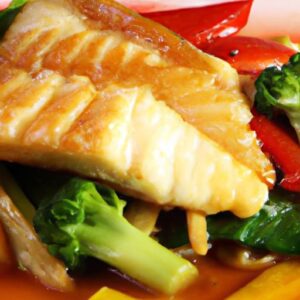

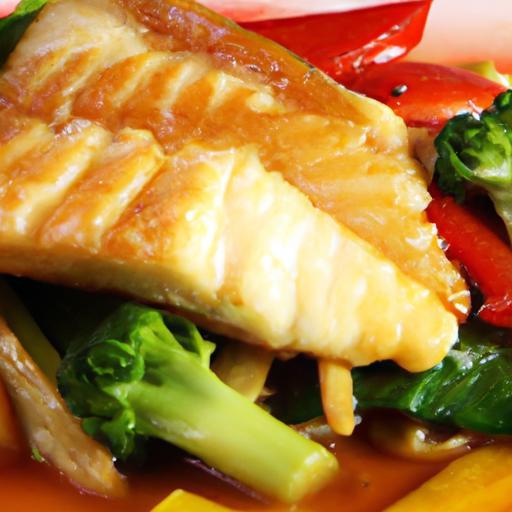
In the vibrant world of culinary delights, few dishes capture the perfect harmony of flavors quite like sweet and sour stir-fried fish. This timeless recipe tantalizes the taste buds with its dynamic dance between tangy zest and subtle sweetness, all wrapped in the delicate texture of tender fish. Whether you’re a seasoned home cook or an adventurous foodie, mastering this dish opens a gateway to a symphony of sensations that elevate everyday ingredients into a masterpiece.
In this article, we’ll dive deep into the art of balancing flavors, selecting the freshest fish, and perfecting your stir-fry techniques, turning your kitchen into a haven of tangy delights. Get ready to embark on a flavorful journey where sweet meets sour in the most tasty embrace.
Tangy Delights: Mastering Sweet and Sour Stir-Fried Fish
The essence of tangy delights: mastering sweet and sour stir-fried fish lies in the harmonious marriage of bold flavors and delicate textures. This classic dish,rooted in Chinese culinary tradition,is a celebration of contrast-where sweetness meets acidity,and tender fish absorbs every nuance of the vibrant sauce. Whether it’s your first attempt or a seasoned favorite,embracing the balance of flavors and techniques will transform this recipe into a stunning,crave-worthy masterpiece.
Prep and Cook Time
- Planning: 15 minutes
- Cooking: 15 minutes
- Total Time: 30 minutes
Yield
Serves 4
Difficulty Level
Medium – Perfect for home cooks eager to elevate their stir-fry skills
Ingredients
- 500g (1 lb) white firm fish fillets (such as cod, snapper, or sea bass), skin removed and cut into bite-size pieces
- 2 tbsp cornstarch, for light coating
- 3 tbsp vegetable oil (plus extra for frying)
- 1 small red bell pepper, julienned
- 1 small yellow bell pepper, julienned
- 1 medium carrot, thinly sliced on the bias
- 3 garlic cloves, finely minced
- 1 tbsp fresh ginger, grated
- 3 green onions, sliced (white and green parts separated)
- For the tangy sauce:
- ¼ cup rice vinegar
- 3 tbsp ketchup
- 2 tbsp light soy sauce
- 3 tbsp granulated sugar
- ½ cup fresh pineapple chunks (optional)
- 1 tsp sesame oil
- 1 tbsp water + 1 tsp cornstarch slurry (mixed)
Instructions
- Prepare the fish: Pat dry the fish pieces gently with paper towels to ensure crispiness. Toss them with 2 tbsp cornstarch to lightly coat. This layer helps the fish develop a delicate crust while absorbing the sauce flavors.
- make the sauce: In a small bowl, whisk together rice vinegar, ketchup, soy sauce, sugar, and sesame oil until smooth.Set aside. This fresh combo gives the dish its signature balance of sweet, sour, and umami.
- Heat the wok or large skillet: Add vegetable oil and warm over medium-high heat until shimmering but not smoking. Fry the fish pieces in batches, about 2-3 minutes each side, until golden and just cooked through. Remove and drain on a paper towel-lined plate.
- Sauté aromatics and vegetables: Pour out excess oil, leaving 1 tbsp in the pan.Add garlic, ginger, and the white parts of the green onions. Stir-fry for 30 seconds until fragrant. toss in bell peppers and carrot slices; cook 3 minutes until vibrant but still crisp.
- Combine sauce and thicken: Stir sauce mixture once more and pour into the wok. Bring to a gentle simmer. Add the cornstarch slurry and pineapple chunks if using. Stir until the sauce thickens and becomes glossy, coating the vegetables beautifully.
- Return fish to the wok: Gently fold in the fried fish pieces, tossing carefully to avoid breaking the fillets. Warm through for 1-2 minutes, letting the fish soak up the tangy sauce without losing its tender texture.
- Finish and garnish: Sprinkle the green parts of the scallions and a few toasted sesame seeds over the dish for a fresh, nutty crunch. Serve instantly to enjoy optimal texture and flavour.
Chef’s Notes: Tips for Success
- Fish Selection: Choose firm, white-fleshed fish such as cod, halibut, or sea bass. These absorb the tangy sauce beautifully while maintaining a tender yet flaky bite.
- Coating the fish: A light dusting of cornstarch creates a crisp exterior, which contrasts wonderfully with the juicy interior and helps the sauce cling.
- Sauce balance: Taste and adjust the vinegar or sugar if needed-some palates prefer more acid or sweetness. Fresh ingredients like pineapple add lovely complexity but are optional.
- Control heat: Stir-frying is fast and furious. Use high heat but avoid overcrowding to keep vegetables crunchy and fish tender without steaming.
- Make-ahead: Prepare the sauce and slice vegetables in advance to streamline cooking. Fish is best fried and sauced right before serving for peak texture.
Serving Suggestions
This vibrant dish pairs exquisitely with fluffy jasmine rice or lightly seasoned fried rice, which tames the tangy brightness. For added freshness, serve with a side of fast pickled cucumber ribbons or a crisp Asian slaw. Garnish with fresh cilantro leaves or finely sliced red chili for a colorful pop and mild heat. A drizzle of toasted sesame oil just before plating deepens aroma and lengthens the dish’s inviting flavor profile.

| Nutrient | Per Serving |
|---|---|
| Calories | 280 kcal |
| Protein | 35 g |
| Carbohydrates | 18 g |
| Fat | 6 g |
For more on balancing Asian flavors and other quick stir-fry recipes, check out our Asian Stir-Fry Basics. Curious about the health benefits of fish? Explore trusted insights from the Healthline nutrition Guide on Fish.
Q&A
Q&A: tangy Delights – Mastering Sweet and Sour Stir-Fried Fish
Q1: What makes sweet and sour stir-fried fish a timeless dish?
A1: sweet and sour stir-fried fish is a harmonious dance of flavors-where crispy, tender fish meets a luscious sauce that’s simultaneously tangy, sweet, and savory. Its balance of sharpness and smoothness, combined with vibrant colors and contrasting textures, makes it both comforting and exciting, a dish that appeals universally yet invites endless personalization.
Q2: Which types of fish work best for this recipe?
A2: Firm, white-fleshed fish like cod, sea bass, tilapia, or snapper are ideal as they hold together well during stir-frying.Their neutral flavor acts as a perfect canvas for the bold, tangy sauce, allowing the sweetness and acidity to shine without overpowering the fish’s natural taste.
Q3: How do you achieve the perfect crispy texture on the fish without drying it out?
A3: The secret lies in lightly coating the fish pieces with cornstarch or a thin batter and stir-frying over medium-high heat with enough oil to crisp the exterior. Quick cooking preserves moisture inside, while gentle tossing ensures each bite stays tender beneath its golden crust.
Q4: What ingredients create the signature sweet and sour sauce?
A4: Customary sweet and sour sauce blends vinegar (for that tang), sugar or honey (for sweetness), soy sauce (for umami depth), and often ketchup or tomato paste (for color and subtle richness). Additional elements like garlic,ginger,and chili can add complexity,while pineapple juice or bell peppers introduce fruity undertones and crunch.
Q5: Can the sauce be prepared ahead of time?
A5: Absolutely! The sauce actually benefits from a brief resting period where flavors meld and intensify. Making it ahead means you can quickly toss it with the hot fish at the last moment, ensuring the dish is fresh, glossy, and bursting with balanced flavor.
Q6: How can home cooks elevate this dish beyond the basics?
A6: Consider layering textures and tastes by adding sliced water chestnuts for crunch, fresh herbs like cilantro or Thai basil for brightness, or a dash of toasted sesame oil for depth. experimenting with heat-say, a pinch of chili flakes or fresh sliced chilies-can also transform this classic into a vibrant, personalized delight.
Q7: What side dishes pair well with sweet and sour stir-fried fish?
A7: Light, neutral accompaniments like jasmine rice or steamed greens allow the bold fish to take center stage. For a refreshing contrast, cucumber salad or pickled vegetables work magic. If you want to keep the meal cozy, a simple bowl of egg drop soup or miso soup complements the tangy richness beautifully.
Q8: Is this dish suitable for beginner cooks?
A8: Definitely! While it might look fancy,mastering sweet and sour stir-fried fish is mostly about timing and balance. With practice, even newbies can whip up a flavorful, restaurant-style meal-a perfect gateway into the rewarding world of stir-fry cooking.
Q9: Any tips for making this dish gluten-free?
A9: Swap traditional soy sauce with tamari or gluten-free soy sauce alternatives, and ensure your cornstarch or batter is free of gluten-containing additives. Using fresh, unprocessed ingredients keeps the dish naturally safe while preserving its signature flavors.
Q10: What’s the ultimate takeaway for mastering this dish?
A10: The magic of sweet and sour stir-fried fish lies in embracing contrasts-crispy yet tender, sweet yet tangy, simple yet complex. Master these balances, and you’ll turn a humble plate of fish into a vibrant celebration of flavor that delights the senses and invites smiles at every bite.
Insights and Conclusions
As you’ve discovered, mastering the art of sweet and sour stir-fried fish is more than just following a recipe-it’s about balancing vibrant flavors and textures to create a dish that dances on the palate. With each tangy bite, you invite a harmonious blend of sweetness and acidity that elevates simple ingredients into a memorable culinary experience.Whether you’re cooking for family, friends, or simply indulging your own cravings, embracing this timeless dish opens the door to endless creativity in the kitchen. So, gather your freshest catch, sharpen your knife, and let the sizzling symphony of sweet and sour magic awaken your taste buds-your journey to tangy delights starts here.