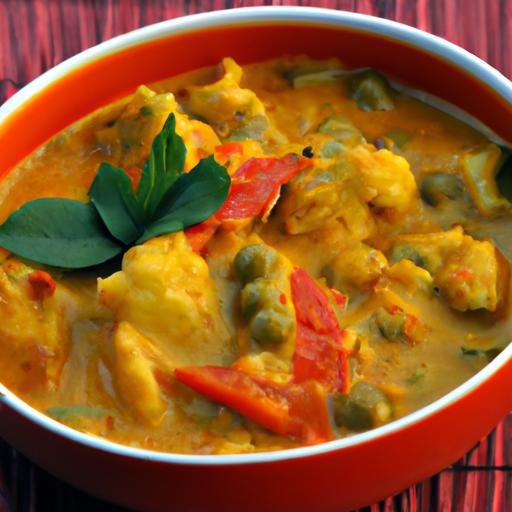

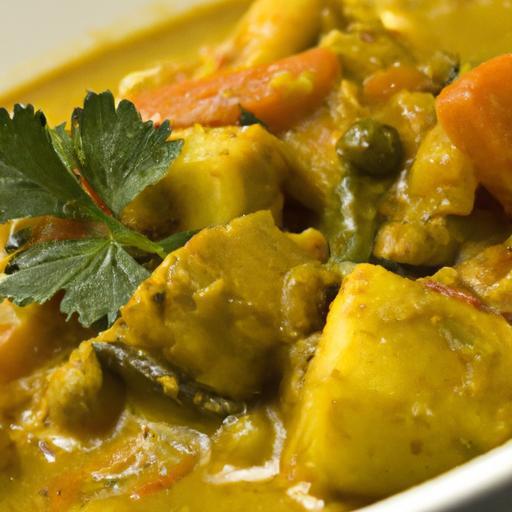
In the vibrant tapestry of Indian cuisine, few dishes embody the harmony of flavors and colors quite like Navratan Korma. Translating to “Nine Gem Curry,” this regal delicacy is a sumptuous blend of nine carefully chosen vegetables and sometimes fruits, simmered in a rich, creamy sauce that dances between sweet and savory.
Steeped in history and tradition, navratan Korma was once a favorite in royal kitchens, celebrated not only for its exquisite taste but also for its symbolic representation of abundance and prosperity. Join us as we delve into the origins, ingredients, and culinary magic behind this luminous dish-a true festivity of nature’s bounty, fit for kings and food lovers alike.
Navratan Korma enchants the senses with an exquisite harmony of flavors and textures, a timeless culinary treasure from the royal kitchens of Mughal India. This rich, creamy curry derives its name from the Sanskrit words “navratan” meaning “nine gems,” and “korma”, indicating a gentle braise. The dish is a celebration of nine carefully selected vegetables and fruits, each contributing a unique taste and character. Whether served at festive occasions or cherished weekday meals, Navratan Korma remains a beloved symbol of indulgence, spirituality, and vibrant cultural heritage.
Prep and Cook Time
- Preparation: 25 minutes
- Cooking: 40 minutes
- Total Time: 1 hour 5 minutes
Yield
Serves 4 to 6 hearty portions
Difficulty Level
Medium – suited for cooks agreeable with multi-step layering of flavors and textures
Ingredients
- 2 tablespoons ghee or vegetable oil
- 1 cup diced carrots
- 1 cup green peas (fresh or frozen)
- 1 cup chopped potatoes (boiled)
- 1 cup cauliflower florets
- 1/2 cup diced green beans
- 1/2 cup chopped bell peppers (red or yellow)
- 1/2 cup pineapple chunks (fresh or canned, drained)
- 1/4 cup roasted cashew nuts
- 1/4 cup golden raisins
- 1 large onion, finely chopped
- 2 teaspoons ginger-garlic paste
- 2 medium tomatoes, pureed
- 1/2 cup fresh cream
- 1/2 cup plain yogurt, whisked
- 3 tablespoons cashew paste (soak cashews and blend to a smooth paste)
- 1 teaspoon garam masala
- 1/2 teaspoon turmeric powder
- 1 teaspoon coriander powder
- 1/2 teaspoon red chili powder (adjust to taste)
- Salt to taste
- Fresh cilantro, chopped for garnish
- Water as needed for gravy consistency
Instructions
- Prepare the vegetables: Boil the diced potatoes, cauliflower, carrots, and green beans untill just tender. Drain and set aside to prevent sogginess in the curry.
- Sauté aromatics: heat ghee in a heavy-bottomed pan over medium heat. Add finely chopped onions and sauté until golden brown,about 7-8 minutes. Stir frequently to avoid burning.
- Add ginger-garlic paste: Stir in the ginger-garlic paste and cook for 2 minutes until fragrant, blending beautifully with the caramelized onions.
- Incorporate spices: Add turmeric, coriander powder, red chili powder, and salt. Stir for a minute to toast the spices gently, unlocking their essence.
- Tomato puree: Pour in the fresh tomato puree and simmer for 8-10 minutes until the oil separates from the masala, signaling depth of flavor.
- Add cashew paste and yogurt: Lower the heat and gently fold in the cashew paste and whisked yogurt. Stir constantly to curtail curdling and lend creaminess to the sauce.
- Mix in vegetables and fruits: Add the boiled vegetables, green peas, pineapple chunks, roasted cashews, and golden raisins. Combine thoroughly, coating each ingredient with the luscious gravy.
- Add cream and water: Stir in fresh cream and adjust gravy thickness by adding water as desired. Simmer on low heat for 10 minutes, allowing the flavors to meld and develop.
- Finish with garam masala: Sprinkle garam masala, stir gently, and cook for another 2 minutes. Remove from heat and garnish with freshly chopped cilantro for a burst of color and freshness.
Tips for Success
- Balancing Flavors: The magic of Navratan Korma lies in balancing sweet, savory, and nutty notes. Don’t rush the slow cooking of onions and spices-it builds a robust flavor base.
- Customize the Nine Gems: Tradition is flexible here; substitute or add vegetables such as baby corn, lotus root, or peas according to season and preference.
- Cashew Cream Option: For a vegan option, replace dairy cream and yogurt with coconut cream and plant-based yogurt.
- Make Ahead: Prepare the masala base a day prior for enhanced flavor; store the prepared vegetables separately to keep textures vibrant.
- Avoid Curds Curdling: Always add yogurt off the heat or on low flame and stir continuously for a smooth, silky sauce.
Serving Suggestions
Present Navratan Korma hot, paired ideally with fluffy basmati rice or warm, buttery naan.For extra elegance, sprinkle toasted slivered almonds or pomegranate seeds atop this regal dish. A side of crisp cucumber raita or mint chutney enhances its cooling contrast, perfectly complementing the rich, velvety gravy. Brighten your platter with fresh edible flowers or vibrant cilantro sprigs to celebrate the “nine gems” visually as well as gastronomically.

| Nutrient | Per serving |
|---|---|
| Calories | 320 kcal |
| Protein | 8 g |
| Carbohydrates | 30 g |
| Fat | 18 g |
Discover more inspired vegetarian recipes that celebrate fresh produce and rich flavors by exploring our collection of Indian vegetarian dishes. For historical insights on Mughal cuisine, visit Britannica’s Mughal Empire overview.
Q&A
Q&A: Navratan Korma – A Royal Blend of Nine Gem Vegetables
Q1: what is Navratan Korma?
A: Navratan Korma is a luscious, aromatic North Indian curry that beautifully combines nine different vegetables-or sometimes fruits and nuts-into one harmonious dish.The name “navratan” literally means “nine gems,” symbolizing the bright, colorful ingredients that come together to create a rich, royal feast fit for kings and queens.
Q2: Why is it called the “nine gems” curry?
A: The term “Navratan” pays homage to the nine precious ingredients,each adding its unique texture,flavor,and nutritional value. Just like precious gems in a crown, these nine components shine individually while creating a dazzling ensemble on your palate.
Q3: Which vegetables make up the nine gems in Navratan Korma?
A: Traditionally, Navratan Korma includes a mix of carrots, peas, beans, potatoes, cauliflower, pineapple, almonds, and sometimes paneer or corn. The exact combination can vary by region and personal preference, but the goal is a colorful and balanced palate of tastes and textures.
Q4: What makes Navratan Korma so special in Indian cuisine?
A: Besides its royal origins,Navratan Korma is special as it’s a divine medley that balances sweetness,creaminess,and mild spices. The creamy, lightly spiced gravy is frequently enough enriched with nuts, cream, and sometimes saffron, which elevates everyday vegetables into a luxurious dining experience.
Q5: How is Navratan Korma typically served?
A: Navratan Korma pairs wonderfully with freshly made naan, fragrant basmati rice, or soft rotis. It’s a favorite at festive occasions, weddings, and special family meals, often accompanied by cooling raita or tangy pickles to complement its rich flavors.
Q6: can Navratan Korma be made vegan or gluten-free?
A: Absolutely! To make it vegan,replace dairy cream and yogurt with coconut milk or cashew cream. The dish is naturally gluten-free since it’s primarily vegetable-based,but always check your spice blends and pastes for hidden gluten.
Q7: What is the cultural significance of Navratan Korma?
A: This dish embodies the essence of Indian hospitality and opulence, celebrating diversity and harmony. It’s inspired by royal kitchens, where chefs aimed to craft dishes that were visually stunning and complex in flavor but comforting at heart.
Q8: Can I make Navratan Korma at home easily?
A: yes! While it may seem elaborate, Navratan Korma can be made at home with accessible ingredients and a bit of love. Preparing the gravy base and pre-cooking the vegetables will save time. The magic lies in the layering of spices and creamy textures.
Q9: What are some tips to perfect Navratan Korma?
A: Use fresh, vibrant vegetables and don’t overcook them-they should retain a bit of their crunch. Roast nuts gently for added aroma, and balance the creaminess with a hint of tang, usually from yogurt or tomatoes. Lastly, a sprinkle of saffron or cardamom can bring that extra royal touch.
Q10: Why should one try Navratan Korma at least once?
A: As it’s not just a meal, it’s an experience-a flavorful journey into the heart of India’s royal culinary heritage.Every bite tells a story of colorful ingredients, rich tradition, and the joyful celebration of nature’s bounty in one elegant pot.
To Wrap It Up
As the rich aromas of Navratan Korma linger in the air, we are reminded that this regal dish is much more than a culinary delight-it is a celebration of nature’s bounty, artfully woven together into a tapestry of nine vibrant vegetables. Each ingredient shines like a gem, contributing its unique flavor and texture to create a harmonious blend fit for royalty. Whether enjoyed during festive occasions or as a comforting meal, Navratan korma invites us to savor tradition, creativity, and the timeless joy of wholesome, flavorful food. So next time you take a spoonful, relish not just the taste, but the story of a dish that truly lives up to its name: a royal blend of nine gems.