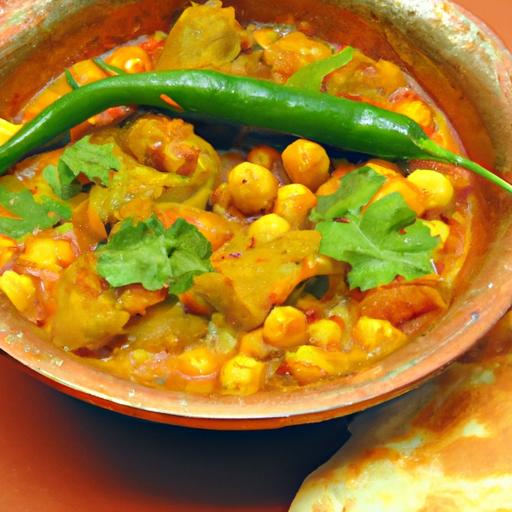

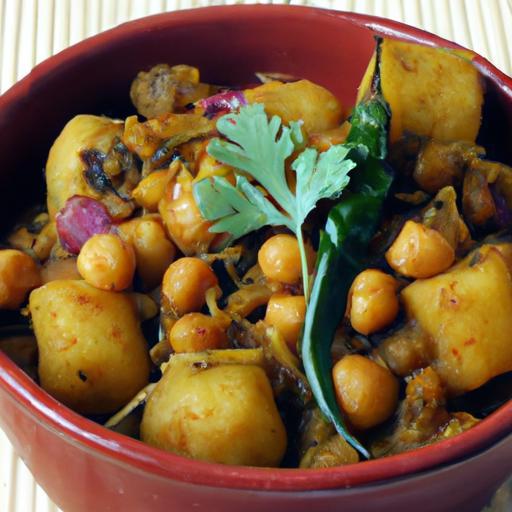
In the vibrant tapestry of Rajasthani cuisine, where bold flavors meet rustic traditions, pithod ki Sabzi emerges as a true culinary gem. this savory delight, crafted from chickpea flour, is more than just a dish-it’s a party of simplicity and heritage simmered to perfection. Known for its comforting texture and aromatic spices, Pithod ki Sabzi offers a unique glimpse into the heart of Rajasthan’s kitchen artistry. Join us as we explore the origins, ingredients, and the irresistible charm of this beloved chickpea flour curry that has nourished generations and continues to tantalize taste buds across India and beyond.
Pithod ki Sabzi is a heartwarming embodiment of Rajasthani culinary heritage, where humble ingredients transform into a savory feast celebrated in desert homes for generations. this dish centers around delicate chickpea flour dumplings, lovingly crafted and simmered in a fragrant, spice-infused yogurt gravy.
The origins of this signature sabzi trace back to Rajasthan’s resourceful kitchens, where arid climate and scarcity cultivated inventive use of chickpea flour (besan), a pantry staple known for its nutrition and versatility. Preparing Pithod ki Sabzi offers an authentic glimpse into Rajasthan’s rich tapestry of flavors, communal feasts, and seasonal traditions that make it a beloved comfort food.
Prep and Cook Time
- Preparation: 30 minutes
- Cooking: 40 minutes
- Total Time: 1 hour 10 minutes
Yield
Serves 4-5 people generously
Difficulty Level
Medium – Ideal for cooks cozy with tempering spices and working with gram flour batter
Essential Ingredients
- For the Pithod (Dumplings):
- 1 cup chickpea flour (besan), sifted
- ½ teaspoon turmeric powder
- ¼ teaspoon red chili powder
- Salt to taste
- Water as needed (approx. ¾ cup)
- 1 tablespoon oil for greasing
- for the Sabzi (Gravy):
- 2 cups thick yogurt, whisked smooth
- 2 tablespoons mustard oil or vegetable oil
- 1 teaspoon mustard seeds
- 1 teaspoon cumin seeds
- 1 teaspoon fenugreek seeds (methi dana)
- 1 teaspoon cracked dry red chilies
- 2 dried whole red chilies
- 1 tablespoon coriander powder
- ½ teaspoon turmeric powder
- 1 teaspoon red chili powder (adjust to taste)
- 1 tablespoon jaggery or brown sugar
- Salt to taste
- 2 cups water
- Fresh coriander leaves, finely chopped (for garnish)
Step-by-Step instructions
- Prepare the Pithod batter: In a mixing bowl, combine chickpea flour, turmeric, red chili powder, and salt. gradually whisk in water to form a smooth, medium-thick batter-similar to a pancake batter but slightly thicker. Set aside for 10 minutes to hydrate.
- Cook the dumplings: Heat a flat non-stick pan over medium flame. Lightly grease it with oil.Pour thin strips or small dollops of the batter onto the pan, spreading gently into small, irregularly shaped dumplings (pithods). Cook each side until golden brown and slightly puffed, about 2-3 minutes per side. Remove carefully and set aside on paper towels.
- Prepare the sabzi base: Heat mustard oil in a heavy-bottomed pan until it smokes slightly-this imparts an authentic earthy aroma. Reduce heat to medium. Add mustard seeds, cumin seeds, and fenugreek seeds. When they start to crackle, toss in the dried whole red chilies and cracked dry red chilies. Sauté for 20 seconds until fragrant, careful not to burn.
- Combine spices and yogurt: Lower heat and add coriander powder, turmeric, and chili powder. Stir briefly. Slowly whisk in the yogurt to prevent curdling. Add salt and jaggery,stirring continuously until the gravy is smooth and warm (but not boiling).
- Simmer to develop flavors: Pour in 2 cups water and bring the mixture to a gentle simmer. Let it cook for 10 minutes, stirring occasionally.
- Add cooked pithods: Gently slide the fried chickpea flour dumplings into the simmering gravy. Coat them well and continue simmering for 8-10 minutes more, allowing the flavors to infuse and the pithods to soak up the spicy yogurt sauce.
- Finish and garnish: Adjust seasoning if needed. Garnish with freshly chopped coriander leaves for a burst of color and freshness. Serve hot.
Chef’s Notes & Tips for Success
- Achieving perfect texture: Ensure the batter isn’t too runny; it should hold shape but remain easy to spread into dumplings. Overcooking pithods will make them hard; keep them golden and tender.
- Yogurt management: Use thick, fresh curd and always add it on low heat with continuous stirring to prevent splitting.
- Flavor adjustments: Mustard oil is pivotal for authentic taste; if unavailable, use a neutral oil but consider adding a teaspoon of mustard paste for aroma.
- Variations: Incorporate finely chopped spinach or fenugreek leaves into the sabzi for added nutrition and color.
- Make-ahead: You can prepare the pithods a day in advance and refrigerate. Add fresh to the hot gravy during serving.
Serving Suggestions
Serve the Pithod ki Sabzi steaming hot,paired with bajra roti or traditional missi roti. This combination enhances the rustic, hearty flavors. Garnish generously with fresh coriander and a squeeze of lemon to balance the richness. A side of crisp onion slices and pickled green chilies elevates each bite,creating an unforgettable Rajasthani meal experience.

| Nutrient | Per Serving (approx.) |
|---|---|
| Calories | 250 kcal |
| Protein | 10 g |
| Carbohydrates | 28 g |
| Fat | 8 g |
Discover more about authentic Rajasthani breads like Missi Roti Recipe to perfectly accompany this savory delight. For a deeper dive into chickpea flour nutrition, check the detailed profile at NutritionValue.org.
Q&A
Q&A: Exploring Pithod ki Sabzi – A Savory Rajasthani Chickpea Flour Delight
Q1: What is Pithod ki Sabzi?
A: Pithod ki Sabzi is a traditional Rajasthani dish made from spiced chickpea flour dumplings cooked in a flavorful, tangy yogurt-based gravy. It’s a hearty and comforting curry that beautifully blends rustic simplicity with complex flavors, embodying the essence of Rajasthan’s vibrant culinary heritage.
Q2: How is Pithod ki Sabzi prepared?
A: The dish begins with preparing the pithods-small dumplings crafted from chickpea flour (besan), seasoned with turmeric, red chili powder, salt, and water to form a dough, which is then shaped into bite-sized pieces and lightly boiled or steamed. These dumplings are then simmered in a tangy yogurt-based gravy, spiced with mustard seeds, asafoetida, cumin, curry leaves, and sometimes a hint of garlic or green chilies, creating a rich, nourishing dish.
Q3: What makes chickpea flour an integral ingredient in this dish?
A: Chickpea flour, or besan, is the heart of Pithod ki Sabzi.Its nutty aroma and dense texture give the dumplings their unique body and flavor. Rich in protein and gluten-free, chickpea flour not only enhances the dish’s nutritional profile but also connects it deeply with regional agricultural practices where chickpeas are widely cultivated.
Q4: Why is Pithod ki Sabzi considered a quintessential Rajasthani dish?
A: Rajasthan’s arid climate shaped a cuisine focused on using shelf-stable ingredients and bold spices. Pithod ki Sabzi exemplifies this ethos: chickpea flour and yogurt are accessible, nutritious, and able to withstand scarce water resources. It’s a dish that reflects the ingenuity and resourcefulness of Rajasthani cooks, turning simple ingredients into a flavorful feast.
Q5: When is pithod ki Sabzi typically served?
A: Traditionally, this dish is enjoyed as a hearty lunch or dinner. It pairs beautifully with steamed rice or Indian breads like bajra roti or missi roti,making it a complete and satisfying meal. It’s often prepared during festivals or family gatherings, underscoring its cultural significance.
Q6: Can Pithod ki Sabzi be adapted for modern diets?
A: Absolutely! while the classic recipe calls for yogurt, vegan versions use plant-based yogurt alternatives made from coconut or almond milk. For gluten sensitivity, chickpea flour itself is naturally gluten-free, making this meal accessible. Additionally, spices can be adjusted to suit milder palates, and the dish can be paired with quinoa or millet for variety.
Q7: What flavors and textures can one expect when tasting Pithod ki Sabzi?
A: Expect a harmonious blend of savory, tangy, and mildly spicy flavors. The soft yet slightly dense chickpea dumplings soak up the tangy yogurt gravy, while the tempering of mustard seeds, cumin, and curry leaves adds aromatic depth and a touch of earthiness. The texture is a delightful contrast between the smooth curry and the tender, chewy pithods.
Q8: How does Pithod ki Sabzi reflect Rajasthani culture beyond its taste?
A: This dish is a testament to Rajasthan’s culture of resilience and celebration. Using minimal water and sun-dried ingredients, it showcases enduring cooking techniques born out of necessity. Moreover, sharing Pithod ki Sabzi in communal meals strengthens social bonds, highlighting the region’s rich tradition of hospitality.
Through Pithod ki Sabzi, one not only savors a unique chickpea flour delight but also embarks on a flavorful journey into Rajasthan’s heart and heritage. Whether you’re a curious foodie or a cultural enthusiast,this humble sabzi invites you to taste the story of a land where simplicity meets spice in perfect harmony.
In Conclusion
As the aromas of Pithod ki Sabzi linger in the air, one can truly appreciate how this humble chickpea flour creation holds a cherished place in Rajasthani cuisine. More than just a dish, it is indeed a celebration of tradition, resourcefulness, and the vibrant flavors that define the desert state’s culinary heritage. Whether savored with steaming bajra rotis or simply enjoyed on its own, Pithod ki Sabzi invites you to experience a taste that is as rich in history as it is in flavor-a savory reminder that sometimes, the simplest ingredients create the most unforgettable dishes.