
In the vibrant world of Korean cuisine, bibimbap stands out as a colorful symphony of flavors and textures-each spoonful a harmonious blend of rice, vegetables, and savory goodness. But what if you could capture this culinary masterpiece with minimal fuss and maximum flavor, all in a single pot? Enter the realm of One-Pot Bibimbap: an ingenious twist on a beloved classic that transforms kitchen chaos into a simple, satisfying ritual. In this article, we unveil the secrets to crafting this easy Korean mixed rice marvel, proving that authentic taste and convenience can deliciously coexist. Get ready to embark on a flavorful journey where tradition meets simplicity, and every bite tells a story.
One-Pot bibimbap offers an exquisite harmony of flavors and vibrant textures, transforming humble ingredients into a colorful, satisfying Korean classic. This dish, revered for its balance and simplicity, originated from traditional Korean home cooking, where combining seasoned vegetables, rice, and protein in one pot creates a comforting yet visually stunning meal. Embracing the beauty of one-pot efficiency, this version makes authentic Korean culinary artistry approachable for every home cook eager to uncover an easy Korean mixed rice masterpiece.
Prep and Cook Time
Preparation: 20 minutes | Cooking: 30 minutes | Total: 50 minutes
Yield
Serves 4 hearty portions
Difficulty Level
Easy to Medium – Ideal for beginners with a little patience and flair
Ingredients
- 2 cups short-grain white rice, rinsed and drained
- 3 cups water (adjust for desired rice texture)
- 150g ground beef (or tofu for a vegetarian option)
- 1 medium carrot, julienned
- 1 zucchini, julienned
- 1 cup spinach, blanched and squeezed dry
- 4 shiitake mushrooms, sliced thinly
- 1 small cucumber, thinly sliced (optional for freshness)
- 3 cloves garlic, minced
- 2 tablespoons soy sauce, divided
- 1 tablespoon sesame oil, plus extra for drizzling
- 1 tablespoon gochujang (Korean chili paste)
- 2 teaspoons sugar
- Salt and freshly ground black pepper, to taste
- 2 eggs (optional, for topping – fried or sunny-side up)
- 2 tablespoons toasted sesame seeds
- Green onions, finely chopped, for garnish
Instructions
- Prepare the rice: Rinse the rice thoroughly in cold water until the water runs clear, then drain. Add the rice and 3 cups of water to a heavy-bottomed pot.Let it soak for 20 minutes before cooking to ensure optimal texture.
- Cook the vegetables and beef: In a skillet over medium heat,add 1 teaspoon sesame oil. Sauté the garlic until fragrant (about 30 seconds). Add ground beef and half of the soy sauce, stirring and breaking it apart until browned and cooked through (~5-7 minutes). Transfer to a bowl.
- Sauté the carrots and zucchini: In the same skillet, add a touch of sesame oil. Cook carrots until slightly tender, about 3-4 minutes, then set aside. Repeat for zucchini. For shiitake mushrooms,sauté until golden,around 4 minutes.
- Season the spinach: Toss the blanched spinach with 1 teaspoon soy sauce and a pinch of salt.
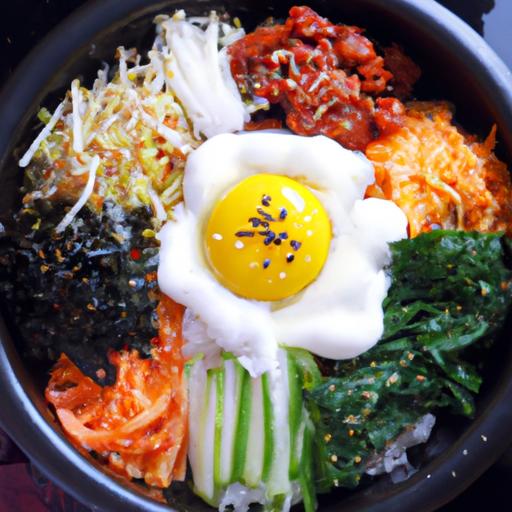
- Layer the bibimbap: drain any extra water from the soaked rice and cover the bottom of the pot with a thin layer. arrange each vegetable and beef in colorful sections over the rice, creating a striking mosaic. Add the remaining water gently around the edges, making sure the vegetables remain layered on top.
- Cook the one-pot bibimbap: Place the lid on the pot, bring to a boil over medium-high heat, then reduce to low and simmer for 20 minutes without lifting the lid to allow steam to cook rice through and develop a crisp golden crust on the bottom.
- Prepare the egg: While the rice cooks, fry eggs sunny-side up in a lightly oiled pan, leaving the yolk runny for authentic richness.
- Finishing touches: Remove the lid and drizzle sesame oil over the top. Add a dollop of gochujang, sprinkle toasted sesame seeds, and garnish with chopped green onions.
- Serve & enjoy: At the table, encourage diners to mix the bibimbap thoroughly, blending the crispy rice, savory beef, and fresh vegetables with the spicy gochujang for a symphony of flavors and textures.
Tips for Success
- for a crispy nurungji crust, use a heavy-bottomed pot or a well-seasoned cast-iron skillet and cook on low heat to avoid burning.
- Vegetables can be swapped to seasonal produce-bell peppers, bean sprouts, or even kimchi add exciting layers of flavor.
- Add protein variations like grilled chicken, shrimp, or soft tofu cubes for different textures.
- To save time, pre-sauté vegetables the day before and store them in airtight containers.
- If you want milder spice, mix gochujang with a teaspoon of honey or sesame oil before serving.
Serving Suggestions
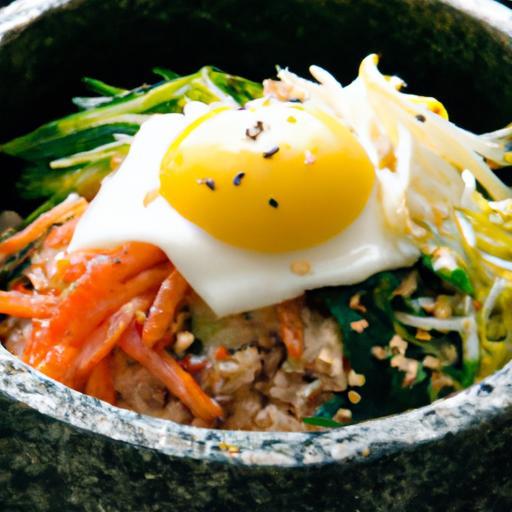
Serve the one-pot bibimbap steaming hot directly from the pot to preserve the crispy rice bottom. Place the fried egg on top as an irresistible centerpiece. accompany with traditional Korean side dishes like kimchi or a refreshing cucumber salad. finish with a drizzle of sesame oil and a sprinkle of toasted sesame seeds to enhance aroma. Provide extra gochujang for guests to adjust heat level,and encourage mixing right at the table for an interactive,authentic experiance.

| Nutrient | Per Serving |
|---|---|
| Calories | 450 kcal |
| Protein | 22 g |
| Carbohydrates | 60 g |
| Fat | 10 g |
For additional guidance on perfect rice cooking techniques and authentic accompaniments, explore maangchi’s Korean recipes, an authoritative resource that enriches your culinary journey.
Q&A
Q&A: One-Pot Bibimbap – Easy Korean Mixed rice Masterpiece Unveiled
Q1: What exactly is one-pot bibimbap?
A1: One-pot bibimbap is a simplified,fuss-free twist on the traditional Korean mixed rice dish,bibimbap. Rather of preparing each ingredient separately,this version brings the magic together in a single pot – saving time without sacrificing flavor or authenticity. It’s a cozy, colorful fusion of rice, veggies, protein, and savory seasonings, all cooked and mingled in one vessel.
Q2: How does one-pot bibimbap differ from classic bibimbap?
A2: Classic bibimbap involves individually cooked ingredients like sautéed vegetables, seasoned beef, and fried egg, artfully arranged over steamed rice, then mixed right before eating. One-pot bibimbap streamlines this by layering or tossing everything into one pot and letting the flavors marry as it cooks. It’s convenience meets tradition in a delightful harmony.
Q3: What ingredients are essential for crafting one-pot bibimbap?
A3: The basics include rice (short-grain is ideal), an assortment of vegetables such as spinach, carrots, mushrooms, and bean sprouts, protein like ground beef, tofu, or chicken, and classic Korean seasonings-gochujang (spicy red pepper paste), soy sauce, garlic, and sesame oil. optional touches like a fried egg on top or toasted seaweed elevate the dish to masterpiece status.
Q4: can one-pot bibimbap be customized to suit dietary preferences?
A4: Absolutely! the beauty of bibimbap lies in its versatility. Vegetarian or vegan? Swap meat for marinated tofu or tempeh, and use mushroom broth or water rather of stock. Gluten-free? Use tamari instead of soy sauce. The one-pot method adapts easily, inviting endless creativity while retaining that signature Korean flavor profile.
Q5: Is this dish beginner-friendly?
A5: Without a doubt! One-pot bibimbap is a fantastic entry point into Korean cooking. The recipe demands minimal technique-just chopping, layering, and simmering. It’s perfect for busy home cooks seeking a nutritious, visually stunning meal without the chaos of multiple pots and pans.
Q6: how long does it take to prepare one-pot bibimbap?
A6: From start to finish, you’re looking at roughly 30 to 45 minutes. Much of this time is hands-off simmering, giving you a chance to multitask or simply relax while the flavors develop. The one-pot approach cuts down prep and cleanup time considerably.
Q7: What’s a pro tip for serving one-pot bibimbap authentically?
A7: Before serving, drizzle a generous spoonful of gochujang mixed with a touch of sesame oil over the top, then crack a fried egg right onto the rice. Mix everything vigorously at the table to experience that iconic, satisfying blend of textures and spicy umami flavors. don’t forget a sprinkle of toasted sesame seeds and chopped scallions to finish the masterpiece!
Q8: Can one-pot bibimbap be reheated?
A8: Yes! This dish reheats wonderfully, making it an excellent meal prep option. Just cover it loosely and warm over low heat on the stove or in the microwave.to revive a bit of the original crunch, a quick stir-fry in a hot pan after reheating works wonders.
Q9: Why should I try making one-pot bibimbap at home?
A9: As it’s a flavorful adventure that condenses the heart of Korean cuisine into a simple, satisfying ritual. It invites you to embrace the joy of sharing vibrant ingredients and comforting, layered flavors with minimal effort. Plus, it’s a colorful centerpiece that’s as pleasing to the eyes as it is to hungry taste buds.
Q10: Where can I find authentic gochujang and other Korean ingredients?
A10: Look for gochujang and Korean staples at Asian grocery stores or online retailers specializing in international foods. Many supermarkets now offer a global aisle where you can discover these key ingredients. Investing in good-quality staples will elevate your bibimbap from easy to extraordinary.
Dive into one-pot bibimbap and unlock a treasure trove of Korean flavor with one humble pot-your gateway to an easy, vibrant, and utterly flavorful culinary masterpiece!
Closing Remarks
As the final grains of rice settle and the vibrant medley of vegetables, savory sauces, and perfectly cooked protein meld together in that one-pot wonder, you’ve uncovered more than just a recipe-you’ve unlocked a culinary tradition that’s both simple and spectacular. One-Pot Bibimbap transforms the intricate artistry of Korean cuisine into an accessible masterpiece, inviting home cooks of all levels to savor layers of flavor without the fuss. So next time you’re craving something hearty,healthy,and bursting with color,remember: your kitchen holds the power to create this dazzling dish in a single pot.Dive in, mix it up, and let your taste buds take a flavorful journey to the heart of Korea.