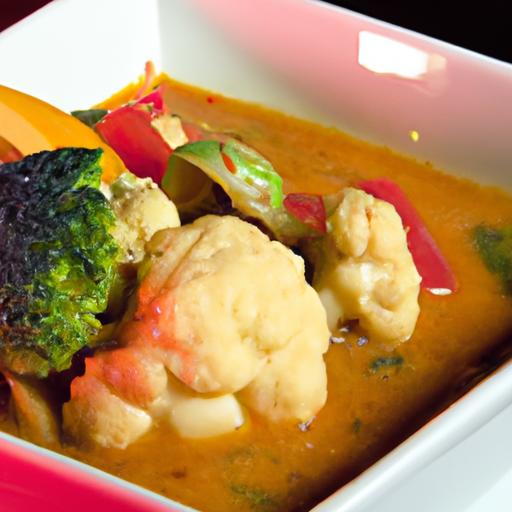

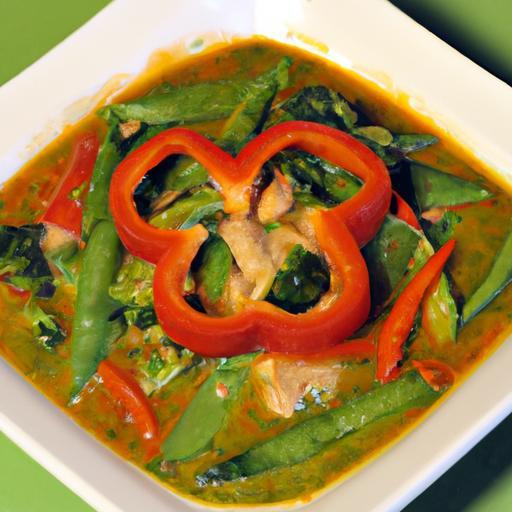
Bursting with fragrant herbs, fiery chilis, and creamy coconut milk, Thai red curry is a vibrant celebration of flavors that awakens the senses and warms the soul. While frequently enough associated with tender meats, this iconic dish comes alive in a spectacular vegetarian form that honors the bounty of fresh, colorful vegetables.
In this guide, we invite you to savor the spice and immerse yourself in the art of crafting a truly vibrant vegetable Thai red curry – a harmonious blend of sweet, spicy, and savory notes that transforms simple ingredients into an unforgettable culinary adventure.Whether your a seasoned cook or a curious food lover, discover how to balance bold aromatics and rich textures to create a dish that’s as nourishing as it is dazzling.
Savor the Spice: A Guide to Vibrant Vegetable Thai red Curry
Savor the Spice: A Guide to Vibrant vegetable Thai Red Curry invites you on a colorful culinary journey where layers of bold, intoxicating flavors come alive in every bite. Originating from Thailand’s rich culinary heritage, this dish marries aromatic herbs and spices with fresh vegetables and creamy coconut milk to create a harmonious balance that thrills the senses. whether you’re a seasoned cook or just beginning to explore Thai cuisine, this recipe elevates everyday vegetables into a vibrant, unforgettable feast.
Prep and Cook Time
- Preparation: 20 minutes
- Cooking: 25 minutes
- Total Time: 45 minutes
Yield
Serves 4 generous portions
Difficulty Level
Medium – approachable with attention to balancing spices and timing
Ingredients
- 2 tablespoons Thai red curry paste (store-bought or homemade)
- 1 tablespoon vegetable oil or coconut oil
- 1 can (14 oz) full-fat coconut milk, well shaken
- 1 cup sliced red bell peppers
- 1 cup sliced yellow bell peppers
- 1 cup chopped eggplant (preferably Thai or Chinese eggplant)
- 1 cup snap peas, trimmed
- 1 medium carrot, thinly sliced on the bias
- 1 cup baby corn, halved
- 3 cloves garlic, minced
- 1 inch piece fresh ginger, grated
- 1 tablespoon palm sugar or light brown sugar
- 2 tablespoons fish sauce (or soy sauce for vegetarian/vegan)
- 1/2 cup vegetable broth or water
- Juice of 1 lime
- Fresh Thai basil leaves (about 10 leaves)
- Fresh cilantro, chopped for garnish
- Cooked jasmine rice or sticky rice, for serving
instructions
- Prepare the aromatics: Heat the vegetable oil in a large wok or heavy-bottomed skillet over medium heat. Add minced garlic and grated ginger, stirring until fragrant, about 1 minute.
- Add the red curry paste: Spoon in the Thai red curry paste and sauté, stirring continuously to toast the spices and release oils, about 2-3 minutes. This step deepens the flavor.
- Incorporate the coconut milk: Slowly pour in the full-fat coconut milk, stirring to fully combine with the paste. Bring to a gentle simmer but do not let it boil aggressively.
- Add the vegetables: Begin with the heartier vegetables-carrots, eggplant, baby corn-and simmer for 5 minutes. Then add the bell peppers and snap peas, cooking for an additional 5-7 minutes until all vegetables are tender but retain vibrant color and a slight crunch.
- Season and balance: Stir in palm sugar, fish sauce, and vegetable broth. Taste the curry carefully-this is where you can adjust sweetness, saltiness, and spice. Add more red curry paste sparingly if you desire extra heat.
- Add lime juice and fresh herbs: Remove from heat and stir in the lime juice and thai basil leaves to add brightness and an herbal aroma that elevates the dish.
- Final touches: Serve hot over freshly cooked jasmine rice. Garnish with chopped cilantro and extra basil leaves if desired.
Tips for Success: Mastering the Art of Balancing Spice Heat and Creamy Coconut Milk
- Choose the right curry paste: The intensity of red curry pastes varies. Start with 1-2 tablespoons and adjust based on your spice preference.
- Maintain vegetable texture: Cook vegetables just until tender-crisp to showcase their vibrant colors and retain nutritional benefits.
- Control creaminess: Use full-fat coconut milk for rich creaminess, but if you prefer lighter curry, substitute half with vegetable broth.
- Sweetness matters: palm sugar balances heat and sourness; skip or replace with brown sugar if unavailable.
- Make ahead: Curry flavors deepen if left to rest, but fresh herbs like basil should always be added right before serving for maximum freshness.
Serving Suggestions
Present this vegetable Thai red curry in a wide, shallow bowl to allow the aromatic sauce to shine visually. Accompany it with steamed jasmine rice or sticky rice, which effortlessly soaks up the intensely flavored gravy. For a modern twist, serve alongside coconut-infused quinoa or fragrant basmati rice.
Garnish with vibrant basil and cilantro sprigs, thin slices of red chili for added color and optional heat, and a wedge of lime on the side for an extra burst of citrus.

Nutritional Data
| Nutrient | Per Serving |
|---|---|
| Calories | 320 kcal |
| Protein | 6 g |
| Carbohydrates | 28 g |
| fat | 20 g |
Further Inspiration
For those wanting to explore more about the exciting world of Thai spices and curries, check out our extensive Thai food basics guide. Understanding the nuances of each curry paste can transform your cooking.
Discover the rich origins and health benefits of coconut milk and how it impacts flavor and nutrition at the national Institutes of Health.
Q&A
Q&A: Savor the Spice – A Guide to Vibrant vegetable Thai Red Curry
Q1: what makes Thai Red Curry so vibrant and flavorful?
A1: Thai Red Curry dazzles with its bold, aromatic spices and a rich blend of coconut milk, red chili, garlic, and fragrant herbs like kaffir lime leaves and Thai basil. The fiery red chili paste forms the heart of the curry, delivering a perfect balance of heat and sweetness that dances on your palate.
Q2: Why choose a vegetable Thai red curry over the traditional meat version?
A2: Opting for a vegetable Thai red curry celebrates nature’s colorful bounty while offering a lighter, healthful twist. Crisp bell peppers, tender eggplants, snap peas, and vibrant carrots soak up the curry’s spicy essence, making every bite a fresh, nutrient-packed adventure that’s as satisfying as it is indeed vibrant.
Q3: How can beginners master the art of making the curry paste from scratch?
A3: Crafting curry paste is a journey of textures and smells-start by pounding dried red chilies with garlic, shallots, lemongrass, galangal, and shrimp paste (or a vegan substitute) in a mortar and pestle. The key is patience: grind slowly until a fragrant, bright red paste emerges. This homemade magic infuses your curry with authentic depth and character unattainable from store-bought jars.
Q4: What are some tips for achieving the perfect balance of spice and creaminess?
A4: The secret lies in layering flavors. Start by gently frying the curry paste to unlock its aroma,then slowly stir in creamy coconut milk to mellow the heat.Taste and adjust with palm sugar for sweetness, fish sauce or soy sauce for umami, and lime juice for a zesty brightness. This harmony is what transforms fiery spice into an unforgettable symphony of taste.
Q5: Can Thai red curry be adapted for different dietary needs without losing its essence?
A5: Absolutely! Swap fish sauce for tamari or soy sauce to keep it vegan and flavorful. Use tofu, tempeh, or hearty mushrooms to add protein and texture. Even the curry paste can be tweaked by eliminating shrimp paste, relying rather on robust spices and herbs to maintain that signature punch. Flexibility is part of Thai cuisine’s charm.
Q6: How should vegetable Thai red curry be served for the ultimate sensory experience?
A6: serve steaming hot over jasmine rice, allowing the fragrant grains to soak up the luscious curry sauce. Garnish with fresh Thai basil leaves, a sprinkle of chopped cilantro, and thin slices of red chili for extra flair. Pair with a crisp cucumber salad or tangy pickled vegetables to contrast and refresh your palate between bites.
Q7: Where does Thai red curry fit within the broader landscape of Thai cuisine?
A7: Thai red curry is a cornerstone of the nation’s culinary tapestry, showcasing Thailand’s love of balancing bold heat, sweet creaminess, and fresh herbs. It’s a vibrant example of how Thai cooking harmonizes contrasting flavors into a unified, mouthwatering whole, often enjoyed as a communal dish that brings people together around the table.
Embark on this spicy, colorful cooking adventure and let your taste buds savor the irresistible charm of vibrant vegetable Thai red curry-where every simmer promises warmth, zest, and a joyful splash of tradition.
Future Outlook
As the rich aromas of lemongrass,ginger,and fiery red chilies linger in your kitchen,your journey into the vibrant world of Thai red curry comes to a flavorful pause. This guide has unraveled the delicate balance of spices and fresh vegetables that transform a simple meal into an unforgettable experience.
Whether you’re a seasoned cook or a curious foodie, savoring the spice of traditional Thai red curry invites you to explore bold tastes and colorful ingredients with every spoonful. So next time you crave a dish that bursts with warmth and zest, remember: the magic lies not just in the recipe, but in the love and creativity you bring to the pot. Happy cooking, and may your curry always be vibrant!