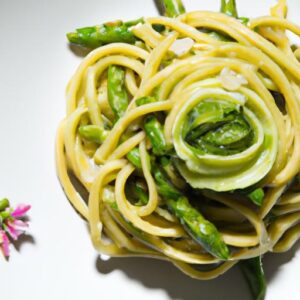

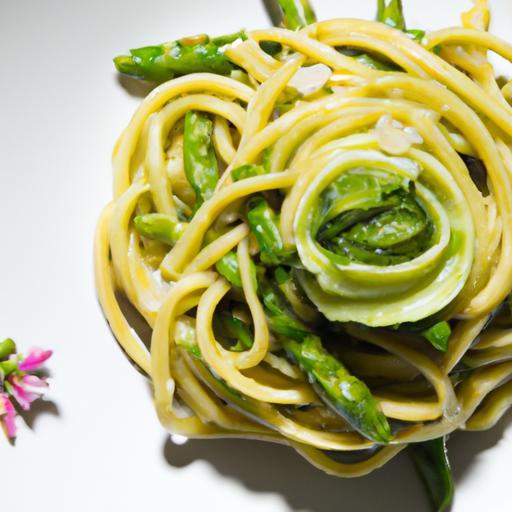
In the ever-evolving world of culinary innovation, familiar favorites often get a fresh makeover – and noodles are no exception. Enter edamame pasta, a vibrant green twist that’s redefining what it means to enjoy a classic bowl of comfort. Bursting with plant-powered protein and a subtle nutty flavor, edamame pasta not only delights the palate but also invites health-conscious food lovers to rethink their staple meals. Join us as we unveil the story behind this nourishing alternative, exploring how a humble legume is transforming traditional pasta into a modern, nutritious sensation.
Edamame pasta is quickly becoming a beloved alternative in kitchens worldwide, celebrated for its vibrant color and remarkable nutrition profile. crafted primarily from young, tender soybeans, these green noodles unlock a world of flavor and health benefits that set them apart from traditional wheat pasta. From their high protein content to a delightful,slightly nutty taste,edamame pasta offers both culinary intrigue and wholesome nourishment for every meal.
The nutritional Powerhouse Behind Edamame Pasta
While conventional pasta provides mostly carbohydrates, edamame pasta boasts a significant boost in plant-based protein and fiber, making it a superior choice for those seeking balanced energy and satiety. Loaded with essential amino acids, iron, magnesium, and antioxidants, edamame noodles support muscle health and digestion. The naturally gluten-free composition also caters to gluten-sensitive diets, adding to its appeal as a sustainable staple.
Texture and Taste: How Edamame Noodles compare to Traditional Pasta
When cooked properly, edamame pasta delivers a satisfyingly firm yet tender bite, perfectly complementing vibrant sauces and fresh herbs. Unlike typical semolina pasta, these noodles carry a subtle nuttiness and green bean flavor, which enhances dishes without overpowering them. Their slightly chewy texture holds sauces beautifully, even in heartier preparations, creating a dynamic mouthfeel that invigorates classic pasta recipes with a fresh twist.
Creative Culinary Uses to Elevate Your Edamame Pasta Experience
Edamame pasta’s versatility makes it ideal for vibrant bowl meals and fusion dishes.Toss it with sesame oil, roasted garlic, and a splash of lime for an Asian-inspired delight, or serve it chilled in salads alongside crunchy vegetables and ginger dressing. You can also bake it into casseroles or toss with creamy avocado sauce for a luscious vegan entrée. The emerald hue pairs beautifully with bright reds, oranges, and fresh greens, so don’t hesitate to experiment with colorful ingredients in your presentation.
Tips for Choosing and Cooking Perfect Edamame pasta Every Time
Look for 100% edamame or a high-percentage soybean blend in short or long noodle shapes, depending on your recipe needs. When cooking, avoid overboiling-usually just 3 to 5 minutes in gently salted water yields an al dente texture. instantly drain and rinse with cool water to halt cooking and maintain that vivid green color. For optimal flavor absorption, toss with sauce while still warm and consider finishing with a touch of high-quality olive oil or toasted sesame seeds.
Prep and Cook Time
- Preparation: 5 minutes
- Cooking: 4 minutes
- Total Time: 9 minutes
Yield
Serves 2 to 3 generously
Difficulty Level
Easy: Perfect for quick weeknight dinners or innovative lunch bowls
Ingredients
- 8 ounces edamame pasta noodles (dried or fresh)
- 2 tablespoons olive oil
- 3 cloves garlic, minced
- 1 cup cherry tomatoes, halved
- 1 small zucchini, spiralized or julienned
- 1/4 cup fresh basil, chopped
- Salt and freshly ground black pepper, to taste
- 1 tablespoon toasted sesame seeds (optional garnish)
- Freshly grated parmesan or nutritional yeast for serving (optional)
Instructions
- Bring a large pot of salted water to a rolling boil. Add the edamame pasta and cook for 3 to 5 minutes, stirring occasionally until noodles are al dente and bright green.
- Drain noodles thoroughly and rinse under cold water to stop cooking and lock in color. Set aside.
- In a large skillet, heat olive oil over medium heat. Add minced garlic and sauté until fragrant and lightly golden, about 1 to 2 minutes, stirring constantly to prevent burning.
- Add cherry tomatoes and zucchini to the skillet. Cook for 3 to 4 minutes,stirring occasionally,until tomatoes soften but retain shape.
- Toss the cooked edamame pasta into the skillet. Combine gently with vegetables and heat through for 1 to 2 minutes.
- Season with salt, freshly ground black pepper, and chopped basil. Stir well to distribute flavors evenly.
- Serve immediatly, garnished with toasted sesame seeds and a sprinkle of Parmesan or nutritional yeast. Enjoy the vibrant colors and fresh flavors!
Chef’s Notes
- Substitutions: Try swapping zucchini for snap peas or asparagus for a seasonal twist.
- Make-ahead: Prepare pasta and toppings separately; combine just before serving to maintain texture.
- Flavor boosters: Add a splash of soy sauce or a drizzle of chili oil for an umami kick.
- storage: Leftovers keep well refrigerated up to 2 days, best enjoyed cold in salads.
Serving Suggestions
Present your edamame pasta in a clean white bowl to highlight its rich green hue. Garnish with fresh basil leaves and a lime wedge for an aromatic finish. Pair it alongside a crisp white wine or sparkling water infused with cucumber for a refreshing meal experience. For a heartier plate, add grilled chicken or tofu for extra protein.
| Nutrient | Per Serving (Approx.) | Benefit |
|---|---|---|
| Calories | 320 kcal | Energy without excess carbs |
| Protein | 25 g | Supports muscle repair and satiety |
| Carbohydrates | 25 g | Sustained energy release |
| Fat | 7 g | Heart-healthy fats from olive oil |

For more innovative pasta ideas, browse our Healthy pasta Recipes collection and explore the benefits of plant-based noodles. Discover extensive nutritional insights about soybeans on Harvard nutrition Source.
Q&A
Q&A: Edamame Pasta – A Green Twist on Classic Noodles Unveiled
Q1: What exactly is edamame pasta?
A1: Edamame pasta is a vibrant, green noodle made primarily from ground edamame beans-those young, green soybeans often enjoyed as a snack or appetizer. It offers a fresh,plant-powered alternative to traditional wheat-based pastas,combining the familiar comfort of noodles with the vibrant nutrients of edamame.
Q2: How does edamame pasta differ from regular pasta?
A2: Unlike classic pastas that rely on durum wheat, edamame pasta boasts a higher protein content and more fiber, thanks to its legume origins. Its texture is slightly denser and more robust, with a subtle, nutty flavor that sets it apart while still providing that satisfying bite we crave in noodles.
Q3: why shoudl one consider swapping to edamame pasta?
A3: For those seeking a nutrient boost without sacrificing their pasta fix, edamame pasta is a game-changer. It’s gluten-free, packed with plant-based protein, and rich in vitamins and minerals like folate and iron. Plus, it’s a fantastic way to sneak more greens onto your plate-turning every dish into a vibrant, healthful experience.
Q4: What dishes work best with edamame pasta?
A4: Edamame pasta’s mild, earthy taste plays beautifully with a wide range of flavors. Try it tossed in a light garlic and olive oil sauce, paired with fresh veggies and sesame seeds for an Asian-inspired twist, or topped with a creamy avocado pesto. Its versatility means it can shine in everything from simple weeknight dinners to elegant feast spreads.
Q5: Are there any tips for cooking edamame pasta?
A5: Absolutely! Edamame pasta cooks quickly-usually around 3 to 5 minutes-so keep an eye to avoid overcooking. Rinse it briefly after boiling to enhance its texture and prevent sticking. and as it’s more delicate, stirring gently and pairing it with lighter sauces really lets its green glory take center stage.
Q6: Where can I find edamame pasta?
A6: Edamame pasta has been gaining traction and is increasingly available in health food stores, specialty grocery aisles, and online. Look for brands that use minimal additives and 100% edamame flour to get the most authentic nutritional punch.
Q7: Can edamame pasta fit into special diets?
A7: Definitely! Its naturally gluten-free profile suits those with gluten sensitivities or celiac disease. Being plant-based, it’s perfect for vegetarians and vegans seeking protein-rich meals. Plus, low-carb and keto enthusiasts often appreciate its balanced macros compared to conventional pasta.
Q8: Any creative serving suggestions for edamame pasta?
A8: Dare to dream beyond the bowl! Edamame pasta noodles can be crisped in a pan for a noodle stir-fry, served cold in refreshing summer salads with citrus and herbs, or even used as a base for grain-free noodle soups. Let your culinary creativity run wild with this green twist on a classic staple!
Key Takeaways
As the culinary world continues to evolve, edamame pasta emerges as a vibrant bridge between tradition and innovation-a green twist that not only reimagines classic noodles but also nourishes the body with its protein-packed goodness. Whether you’re seeking a gluten-free alternative, a nutrient boost, or simply a new flavor adventure, edamame pasta invites you to rethink your plate and embrace a future where taste and health go hand in hand. So next time you crave comfort food, let these emerald strands be your guide to a deliciously fresh chapter in pasta’s ever-expanding story.