
There’s a quiet magic in the vibrant green powder known as matcha – a centuries-old elixir celebrated for its rich flavor, health benefits, and ritualistic elegance. But beyond its striking color lies a delicate art: mastering the perfect planning of matcha is both a science and a soulful experience.Whether you’re a curious newcomer or a seasoned tea lover, this step-by-step guide will unveil the secrets to transforming simple powdered leaves into a frothy, aromatic cup of pure bliss. Get ready to immerse yourself in the timeless tradition of matcha and elevate your tea time to an art form.
The Art of Selecting Premium Matcha for flavor and Freshness
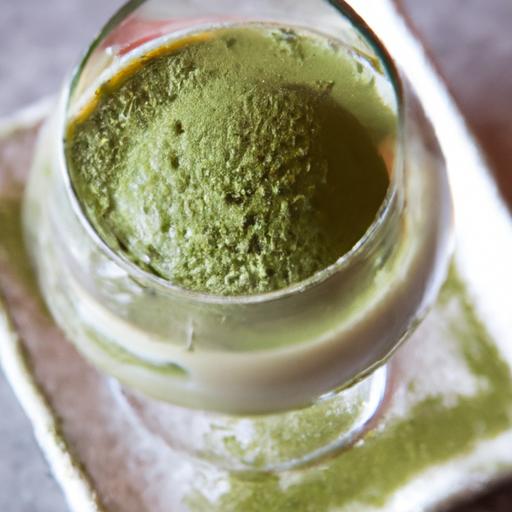
Mastering Matcha is a journey that begins with choosing the finest quality leaf. Not all matcha powders are created equal-opt for ceremonial grade matcha to experience the vibrant green hue and naturally sweet umami flavor. freshness is paramount; look for bright, finely ground powder stored in airtight, opaque containers to protect it from light and moisture. When possible, buy from reputable suppliers who source directly from Japan’s renowned tea regions like Uji or Nishio. Avoid matcha that smells stale or dull in color, as these are signs of oxidation and loss of freshness.
Optimal Tools and Techniques for Whisking Like a Tea Master
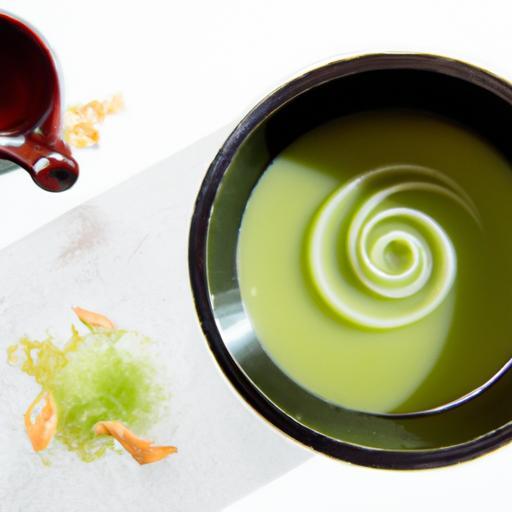
To unlock matcha’s lush froth and creamy texture, a bamboo whisk (chasen) is indispensable. Before whisking, soak the whisk’s tines in warm water for a minute to soften them, preventing breakage and helping create a rich foam.Use a wide-rimmed bowl (chawan) for ample whisking space. Hold the whisk lightly between your thumb and fingers, using a fast, controlled ”M” or “W” motion-not circular-to aerate the powder evenly. Aim for a layer of tiny bubbles atop the liquid, signaling a perfectly blended cup.
Water Temperature and Timing Secrets to Unlock Matcha’s Sweetness
Precision in temperature and timing reveals matcha’s delicate sweetness and depth. Heat water to around 175°F (80°C)-too hot and the result will be bitter; too cool and the powder won’t dissolve fully. After pouring 2 ounces of hot water over 1 teaspoon of powder, whisk rapidly for about 15-20 seconds untill frothy. Let the matcha rest for moments before indulging,allowing the flavors to settle and harmonize. For a more robust taste, adjust water ratio slightly, but always maintain freshness as the priority.
Elevating Your Matcha Experience with Creative Serving Ideas
Transform your customary matcha ritual into a multisensory delight. Serve matcha in delicate porcelain cups layered with vividly colored treats like yuzu-infused mochi or roasted sesame cookies to complement its grassy notes. For an innovative twist, try a chilled matcha latte topped with whipped coconut cream and a sprinkle of toasted matcha powder.Garnish with edible flowers or a small bamboo leaf on the side for an elegant presentation that feels authentic and fresh. Experimentation can elevate your experience, making every sip a party.
Prep and Cook Time
- Prep Time: 5 minutes
- Whisking Time: 2-3 minutes
- Total Time: 8 minutes
Yield
- 1 serving (approximately 6 oz)
difficulty Level
- Easy to Medium
Ingredients
- 1 teaspoon ceremonial grade matcha powder
- 2 ounces hot water (175°F / 80°C)
- Optional: 2-3 ounces steamed milk or plant-based milk (for matcha latte)
Instructions
- Preheat your chawan (matcha bowl) by pouring hot water inside. Let it sit for a minute, then empty and dry the bowl.
- Sift 1 teaspoon of matcha powder through a fine mesh sieve into the bowl to remove clumps and ensure smooth whisking.
- Heat water to approximately 175°F (80°C). Use a kitchen thermometer for accuracy or let boiling water cool for 3-4 minutes.
- Pour 2 ounces of hot water over the sifted matcha in the bowl.
- Using a soaked bamboo whisk, whisk briskly in a “W” or “M” motion until a fine, frothy layer forms on top-this usually takes 15-20 seconds.
- Pause briefly to allow flavors to meld, then enjoy your pure matcha. For a latte, pour steamed milk over the whisked matcha and stir gently.
- Clean your whisk immediately under warm water and air dry to maintain its delicate tines.
Chef’s Notes
- Clumping: Always sift matcha to avoid gritty texture.
- Bitter taste: Check water temperature-too hot is the main culprit.
- Storage: Store matcha in the fridge sealed airtight for up to 4 weeks.
- Variations: Add a drop of vanilla extract or a hint of cinnamon for a cozy flavor twist.
- Make-ahead: Whisk matcha fresh each time; pre-whisked matcha deteriorates quickly.
Serving Suggestions
- Serve matcha in thin-walled porcelain or glass cups to showcase its vibrant green color.
- Pair with subtly sweet Japanese sweets like dorayaki or anko-filled wagashi.
- For Iced Matcha: Whisk powder with a small amount of water, then add ice and cold milk.
- Garnish with a light dusting of extra fine matcha powder or a sprig of fresh mint.
- Create a matcha dessert pairing for a sophisticated afternoon tea experience.
| Nutrient | Per Serving (6 oz) |
|---|---|
| Calories | 5 (without milk) |
| Protein | 0.5 g |
| Carbohydrates | 1 g |
| Fat | 0 g |

For further insights on matcha’s health benefits and detailed origin stories, visit Japan Guide’s Matcha History.
Q&A
Q&A: Mastering Matcha – A Step-by-Step Guide to Perfect Preparation
Q1: what exactly is matcha, and what makes it different from other green teas?
A1: Matcha is a finely ground powder made from specially grown and processed green tea leaves. Unlike traditional green tea, where leaves are steeped and then discarded, matcha whisking involves consuming the entire leaf in powdered form. This makes matcha richer in antioxidants, caffeine, and flavor – delivering a vivid, grassy taste and a vibrant green color that’s truly unique.
Q2: Why should I learn to prepare matcha properly rather than just buying pre-made drinks?
A2: Preparing matcha yourself unlocks the full sensory experience – the aroma, texture, and nuanced flavors that pre-made drinks often dilute. It’s also a mindful ritual, connecting you with centuries of Japanese tea culture. Plus, mastering preparation lets you customize strength and sweetness to your personal taste, ensuring every cup is tailor-made perfection.
Q3: What equipment do I need to get started with making matcha?
A3: At minimum, you’ll want a fine mesh sifter to break up clumps, a bamboo matcha whisk (chasen) for frothing, a bowl (chawan) wide enough to whisk comfortably, and a bamboo scoop (chashaku) or measuring spoon.These tools elevate preparation from routine to ritual, helping you achieve that coveted frothy top and smooth texture.
Q4: Can you walk me through the basic preparation steps?
A4: absolutely! Step one: sift 1-2 teaspoons of matcha powder into your bowl to avoid clumps.Step two: add about 2 ounces of hot water (not boiling-around 175°F or 80°C). Step three: whisk briskly in a zigzag motion until frothy and vibrant green foam forms. Step four: enjoy immediately to savor matcha’s full flavor and health benefits.
Q5: How do I know if my matcha is high quality?
A5: High-quality matcha has a bright, emerald green color, delicate aroma, and a naturally sweet, slightly vegetal flavor without bitterness.dusty, dull, or yellowish matcha often indicates lower grade powder.Investing in ceremonial-grade matcha ensures the best preparation experience and health benefits.
Q6: can matcha be prepared in different styles?
A6: Yes! The traditional Usucha style involves a lighter, frothy preparation with less powder and more water, ideal for everyday drinking. Koicha, a thicker, more concentrated style, uses more powder and less water, producing a rich, syrupy texture typically reserved for formal tea ceremonies. Both showcase matcha’s versatility.
Q7: What common mistakes should I avoid when preparing matcha?
A7: Avoid using boiling water - it scorches the powder, creating bitterness. Don’t skip sifting; clumps ruin the smoothness. Whisking too slowly leads to flat, unappealing tea, while over-whisking can produce excessive foam but less flavor concentration.use fresh matcha stored in airtight containers,away from light and moisture.
Q8: How can I incorporate matcha beyond the traditional tea cup?
A8: Matcha shines in culinary creativity! Sprinkle it over smoothies and oatmeal, fold into baked goods like muffins and pancakes, blend into lattes, or even mix into salad dressings for a healthful twist. Its vibrant color and earthy flavor bring excitement and nutrition to countless recipes.
Q9: Is matcha good for health, or is it just a trendy drink?
A9: Matcha is a bona fide health powerhouse. Packed with antioxidants called catechins, it boosts metabolism, enhances focus due to its moderate caffeine level balanced with L-theanine, and supports detoxification. While trendy, its benefits are grounded in centuries of traditional use and modern science alike.
Q10: Any final tips for mastering matcha that might surprise beginners?
A10: Embrace the process as a moment of calm rather than a rushed task. Experiment with water temperature and powder quantity until you find your perfect balance. And don’t be discouraged by your first few attempts – every whisk brings you closer to tea mastery, turning a simple bowl of matcha into a meditative delight.
In Summary
As you close your whisk and savor that first velvety sip, remember that mastering matcha is as much about the journey as the cup itself. Each step-from selecting vibrant, quality powder to perfecting your pouring technique-invites a moment of mindful ritual and connection to centuries of tradition. With patience and practice, the art of preparing matcha transforms from a simple task into a personal ceremony, elevating your everyday tea experience to something truly extraordinary. So, embrace the process, explore your own rhythm, and let every bowl you craft be a celebration of flavor, balance, and zen. Your perfect matcha moment awaits.