
In a world where indulgence frequently enough comes with a side of guilt,low-fat yogurt emerges as the perfect harmony between creamy delight and mindful eating. This wholesome treat offers all the luscious texture and tangy flavor you crave, but with fewer calories to weigh you down. Whether enjoyed as a refreshing snack, a nutritious breakfast, or a versatile ingredient in your favorite recipes, low-fat yogurt invites you to savor every spoonful without compromise. Dive into the world of low-fat yogurt and discover how this simple dairy gem can elevate your diet while keeping your wellness goals on track.
Low fat yogurt stands out as a versatile ingredient that masterfully balances indulgence and nutrition. Combining creamy texture with fewer calories, itS an essential addition to any health-conscious kitchen. Its delicate tang and smooth consistency make it perfect for everything from breakfast bowls to savory sauces,delivering satisfaction without compromising your dietary goals.
Prep and Cook Time
- Readiness: 10 minutes
- Cook time: 5 minutes (optional, for warm dishes)
- Total time: 15 minutes
Yield
Serves 4 generously
Difficulty Level
Easy – perfect for beginners and seasoned home cooks alike
Ingredients
- 1 cup low fat yogurt (preferably plain and unsweetened)
- 1 tablespoon honey or pure maple syrup (optional, for natural sweetness)
- 1/2 cup fresh mixed berries (blueberries, strawberries, raspberries)
- 1/4 cup granola (choose your favorite crunchy variety)
- 1 teaspoon chia seeds
- 1 tablespoon finely chopped fresh mint (optional for garnish)
- A pinch of ground cinnamon (optional, adds warmth and depth)
Instructions
- Begin by spooning the low fat yogurt into four individual serving bowls or glass jars to showcase its luscious creamy texture.
- Drizzle honey evenly over the yogurt if you prefer a hint of natural sweetness enhancing every bite.
- Layer the fresh mixed berries atop the yogurt, distributing the vibrant colors evenly for an inviting look and antioxidant boost.
- Sprinkle a tablespoon of crunchy granola on each serving to introduce a delightful contrast in texture.
- Finish by adding a small teaspoon of chia seeds for added omega-3 fatty acids and fiber,elevating the nutritional profile.
- Optional step: Lightly dust with ground cinnamon and garnish with fresh mint leaves for a touch of aromatic complexity and elegance.
- Serve instantly or refrigerate for up to 2 hours to allow flavors to meld and chill the dish-a refreshing treat on warm days.
Chef’s Notes
- Substitutions: Swap granola with toasted nuts or seeds if you prefer gluten-free options.
- Flavor variations: Stir in a spoonful of natural fruit preserves or swirl in pureed mango for tropical flair.
- Make-ahead tip: Assemble components separately and combine just before serving to keep granola crisp.
- Texture tip: Choose Greek-style low fat yogurt for an ultra-thick, velvety finish or drinkable varieties for lighter meals.
- Troubleshooting: If your low fat yogurt is too tart, balancing it with a splash of vanilla extract or a pinch of stevia can soften the tanginess without added sugar.
Serving Suggestions
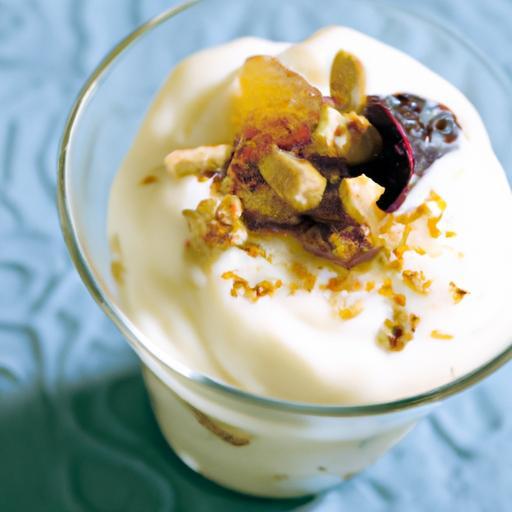
Elevate your low fat yogurt creation by serving it in clear glass cups to show off the vibrant berry layers and creamy base. Pair with a side of freshly baked whole grain toast or a small bowl of seasonal fruit salad. A sprinkle of edible flowers or a light dusting of nutmeg can add an artisanal touch, perfect for breakfast, brunch, or a guilt-free dessert. For savory options, mix low fat yogurt with chopped cucumbers, garlic, and dill for a speedy tzatziki dip that complements grilled meats and vegetables spectacularly.
| Nutrient | Per Serving |
|---|---|
| Calories | 150 kcal |
| Protein | 12 g |
| Carbohydrates | 18 g |
| Fat | 2 g |

Choosing the Right Low Fat Yogurt
When selecting low fat yogurt, look for options with live active cultures to support digestion and immunity. Plain and unsweetened yogurts offer the cleanest nutritional profile,allowing you to tailor sweetness and flavor naturally. Reading labels carefully helps avoid added sugars and artificial additives that might undermine your health goals.
For more flavorful recipes using low fat yogurt, explore our Healthy Breakfast Ideas with Yogurt. To understand the scientific benefits in detail, the Medical News Today article on yogurt and gut health offers trustworthy insights.
Q&A
Q&A: Low-Fat Yogurt - Creamy Goodness with Fewer Calories
Q1: What exactly is low-fat yogurt?
A1: Low-fat yogurt is a dairy delight made by straining out some or most of the fat content from whole milk yogurt. It retains that signature creamy texture and tangy flavor but with fewer calories and less saturated fat, making it a friendlier option for those watching their waistline.
Q2: How does low-fat yogurt differ from regular yogurt?
A2: The key difference lies in fat content. Regular yogurt is made from whole milk,which contains around 3.25% fat, while low-fat varieties typically have 1-2% fat.This reduction makes low-fat yogurts lighter in calories but still rich in protein, calcium, and probiotics.
Q3: Can low-fat yogurt still taste creamy and satisfying?
A3: Absolutely! Thanks to modern processing techniques and added thickeners like pectin or gelatin, low-fat yogurt can maintain that luscious, creamy mouthfeel you crave-without the heaviness of full-fat versions.
Q4: Is low-fat yogurt a good choice for weight management?
A4: Yes, it can be a smart swap. Low-fat yogurt offers essential nutrients like protein and calcium, which support metabolism and bone health, while cutting down on calorie-dense fat. It helps keep you full longer, reducing the temptation for unhealthy snacking.
Q5: What are the health benefits of eating low-fat yogurt?
A5: Besides being lower in fat and calories, low-fat yogurt delivers a rich dose of probiotics that promote gut health, enhances digestion, and boosts immunity. Its high protein content can help build and repair muscles, and the calcium contributes to strong bones and teeth.
Q6: Are there any downsides to low-fat yogurt?
A6: Some low-fat yogurts may contain added sugars or artificial ingredients to enhance flavor and texture, so it’s wise to check labels. Choosing plain low-fat yogurt and adding fresh fruit or nuts is a great way to keep it natural and delicious.
Q7: How can I enjoy low-fat yogurt creatively?
A7: the possibilities are endless! Use it as a creamy base for smoothies, dollop it over spicy chili instead of sour cream, blend it into dressings, or simply enjoy it topped with honey and fresh berries for a guilt-free dessert.
Q8: who should consider including low-fat yogurt in their diet?
A8: Anyone seeking a nutritious snack or meal addition without excess calories will benefit-from fitness enthusiasts and weight-watchers to those managing cholesterol or simply aiming for a balanced diet.
Q9: how should low-fat yogurt be stored for freshness?
A9: Keep it refrigerated at or below 40°F (4°C) and consume it by the expiration date. Avoid cross-contamination by using clean utensils, and seal containers tightly to preserve its creamy goodness.Q10: Can children and seniors enjoy low-fat yogurt?
A10: Definitely! Low-fat yogurt provides essential nutrients vital for growth in children and bone maintenance in seniors. Its gentle probiotics can also support digestive health across all age groups.
Dive into the creamy world of low-fat yogurt-a delicious way to indulge your taste buds while keeping calories in check!
To Conclude
In the quest for wholesome indulgence, low-fat yogurt stands out as a deliciously satisfying ally-offering creamy texture and rich flavor without tipping the calorie scale. Whether enjoyed as a quick snack, a versatile ingredient, or a health-conscious dessert, it proves that nourishment and taste can coexist beautifully. So next time you reach for a dairy delight, remember: low-fat yogurt invites you to savor every spoonful guilt-free, proving that sometimes, less really is more.